
Medieval · Front Yard
Medieval Front Yard ideas
A Medieval front yard pairs rough-hewn stone and flagstone with a castle stone (#8A8578) base. Start with long trestle dining table, keep oxblood red (#5C1A1B) to accents under 10% of the room, and let heavy oak and aged timber add texture. Preview it on your own front yard photo in RivAI first.
Free to try · 3-day free trial on annual · Cancel anytime
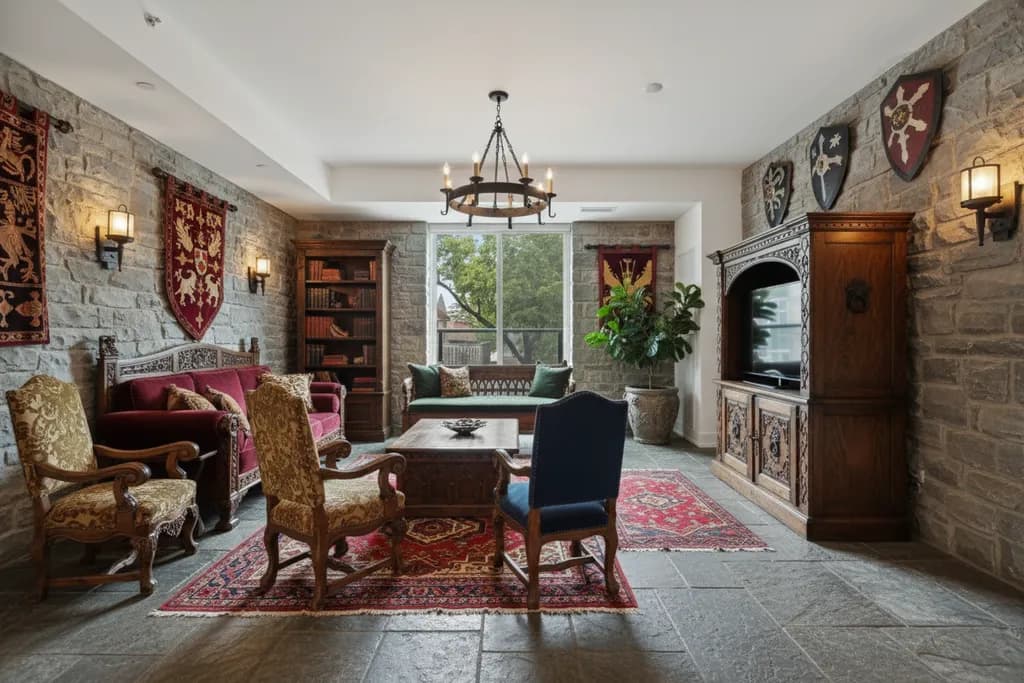
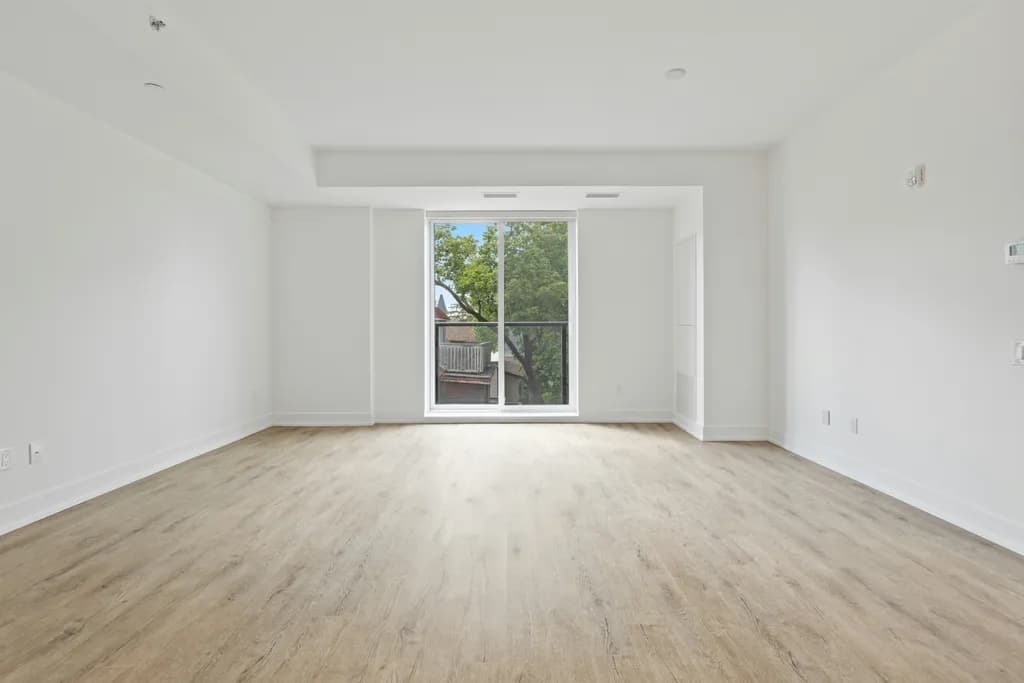
The Medieval palette for a front yard
Try this Medieval palette on your own front yard: Try Medieval in RivAI
How to get the look, step by step
- 1Photograph your front yard in daylight with the widest view you can frame — the RivAI app needs the whole space to work with.
- 2Set the base: Castle Stone (#8A8578) for walls and fireplace surrounds.
- 3Make the path to the front door at least 1.2 meters wide, direct, and visible from the street.
- 4Bring in rough-hewn stone and flagstone and heavy oak and aged timber — the two signature materials of Medieval design.
- 5Add one statement piece: long trestle dining table.
- 6Finish with oxblood red (#5C1A1B) accents in textiles or decor, keeping them under 10% of the visual field.
Key materials
- Rough-hewn stone and flagstone
- Heavy oak and aged timber
- Forged wrought iron
- Thick wool tapestry fabric
- Studded and tooled leather
Furniture to look for
- Long trestle dining table
- High-back carved oak chairs
- Wrought iron chandelier or candelabra
- Woven tapestry wall hanging
- Four-poster bed with heavy drapes
Mistakes to avoid
- Planting shrubs that grow over windows and swallow the facade within five years.
- Hiding the front door behind planting or an indirect path, so guests hesitate about where to go.
- Overplanting with too many species, which reads as clutter from the street.
Budget tips
- Edge and mulch existing beds before buying a single plant - crisp edges transform tired plantings for the cost of mulch.
- Choose native plants suited to your rainfall; they need no irrigation after year one and replace themselves slowly.
- Divide perennials from your own backyard or a neighbor's instead of buying new.
FAQ
Does Medieval work in a front yard?
Yes, with adaptation. Medieval is not the most common choice for a front yard, but its palette — led by Castle Stone (#8A8578) — and materials like rough-hewn stone and flagstone can work well if you keep the layout practical and use the style mainly in finishes and decor.
What colors should I use for a Medieval front yard?
The core palette is Castle Stone #8A8578, Dark Oak #4B3621, Wrought Iron #1F1F1F, Oxblood Red #5C1A1B, Ochre Gold #B08A3C. Use Castle Stone as the dominant color, Dark Oak for secondary surfaces, and keep Oxblood Red for accents only.
Can I see my own front yard in Medieval style before committing?
Yes. Take a photo of your front yard in the RivAI iPhone app, choose the Medieval style, and you get a photorealistic preview in about 30 seconds on the Standard tier. RivAI is free to try, so you can compare Medieval with a few other styles before you buy paint or furniture.
Can I preview a Medieval redesign of my own room?
Yes. In the RivAI iPhone app, photograph your room and choose Medieval from 43 styles to see stone walls, heavy timber and iron fixtures on your own space in about 30 seconds on Standard. RivAI is free to try, so you can judge how dark and heavy the look feels before committing.
Keep exploring
More: Medieval interior design, front yard ideas, AI landscape design and interior color palette generator.
Last updated 2026-10-09
Try Medieval on your front yard
Snap it, pick a style, see it redesigned in about 30 seconds.
Free to try · 3-day free trial on annual · Cancel anytime
