
Japanese · Balcony
Japanese Balcony ideas
A Japanese balcony pairs cedar, cypress and bamboo wood with a rice cream (#EFE6D5) base. Start with low platform bed or futon, keep indigo blue (#2E3A59) to accents under 10% of the room, and let rice-paper shoji screens add texture. Preview it on your own balcony photo in RivAI first.
Free to try · 3-day free trial on annual · Cancel anytime
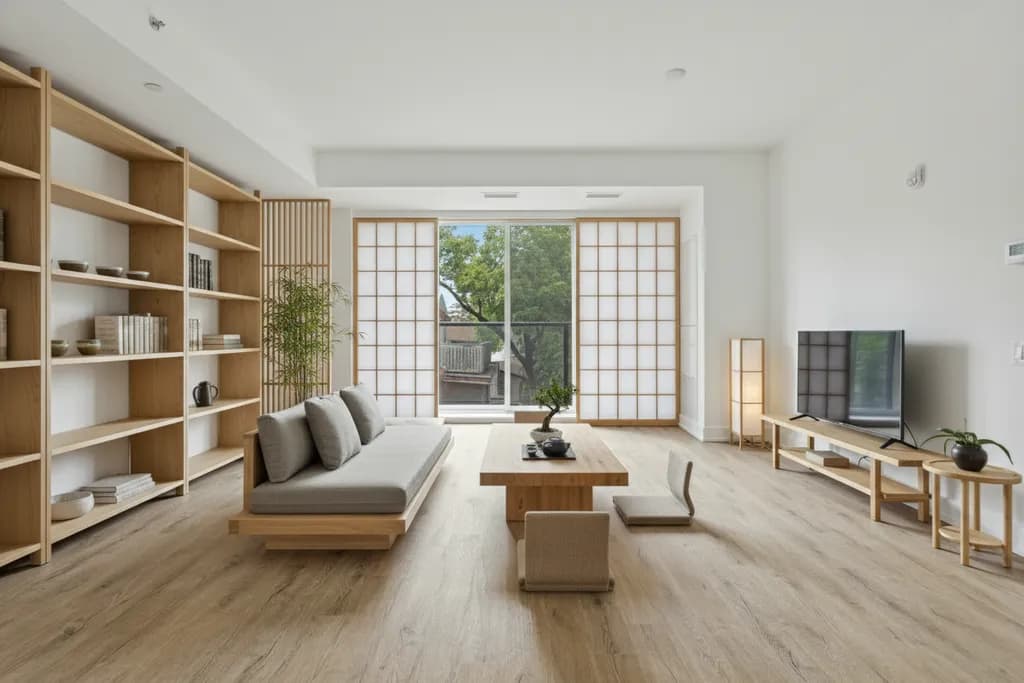
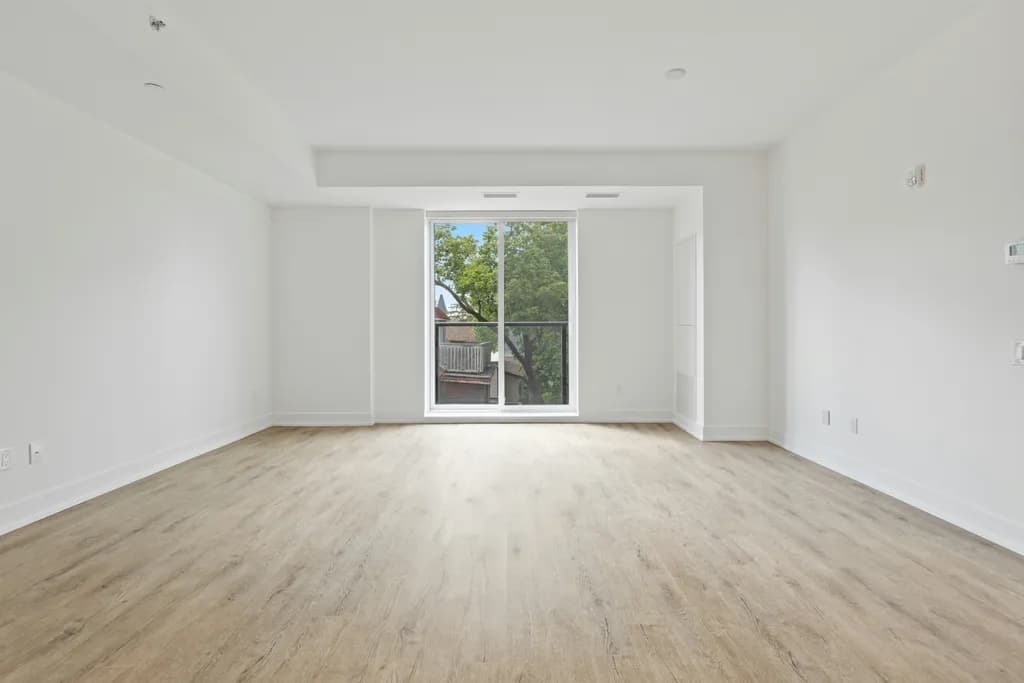
The Japanese palette for a balcony
Try this Japanese palette on your own balcony: Try Japanese in RivAI
How to get the look, step by step
- 1Photograph your balcony in daylight with the widest view you can frame — the RivAI app needs the whole space to work with.
- 2Set the base: Rice Cream (#EFE6D5) for walls and shoji screens.
- 3Use railing planters and wall-mounted pots to garden vertically without sacrificing floor space.
- 4Bring in cedar, cypress and bamboo wood and rice-paper shoji screens — the two signature materials of Japanese design.
- 5Add one statement piece: low platform bed or futon.
- 6Finish with indigo blue (#2E3A59) accents in textiles or decor, keeping them under 10% of the visual field.
Key materials
- Cedar, cypress and bamboo wood
- Rice-paper shoji screens
- Tatami straw matting
- Handmade ceramic and stoneware
- Indigo-dyed cotton and linen
Furniture to look for
- Low platform bed or futon
- Low wooden table with floor cushions
- Shoji room divider or sliding screen
- Tokonoma-style alcove with one artwork
- Tansu chest for storage
Mistakes to avoid
- Overloading the balcony with heavy ceramic pots and furniture without checking weight limits.
- Bringing indoor furniture outside, where one storm ruins particleboard and untreated fabric.
- Covering every inch with plants and furniture until there is nowhere to actually sit.
Budget tips
- Interlocking deck tiles cover a small balcony for a few hundred dollars and lift out when you move.
- A folding bistro set costs less than one delivery-food month and defines the whole space.
- Solar string lights need no outlet and no electrician - the cheapest lighting upgrade there is.
FAQ
Does Japanese work in a balcony?
Yes — Japanese is one of the best-suited styles for a balcony. Its cedar, cypress and bamboo wood and rice cream base palette fit the way this space is used. Keep the room's function first and let the style come through in finishes and textiles.
What colors should I use for a Japanese balcony?
The core palette is Rice Cream #EFE6D5, Cedar Wood #A97748, Charcoal Ink #33342F, Indigo Blue #2E3A59, Tatami Straw #C7B88A. Use Rice Cream as the dominant color, Cedar Wood for secondary surfaces, and keep Indigo Blue for accents only.
Can I see my own balcony in Japanese style before committing?
Yes. Take a photo of your balcony in the RivAI iPhone app, choose the Japanese style, and you get a photorealistic preview in about 30 seconds on the Standard tier. RivAI is free to try, so you can compare Japanese with a few other styles before you buy paint or furniture.
What is the difference between Japanese and Zen interior design?
Japanese style is a full cultural tradition with shoji screens, tatami, tansu chests and craft objects, while Zen is a narrower, more meditative offshoot focused on emptiness and stillness. Japanese rooms feel warm and personal; Zen rooms feel more austere and spare.
Keep exploring
More: Japanese interior design, balcony ideas, AI interior design and interior color palette generator.
Last updated 2026-10-09
Try Japanese on your balcony
Snap it, pick a style, see it redesigned in about 30 seconds.
Free to try · 3-day free trial on annual · Cancel anytime
