
Japanese · Outdoor Space
Japanese Outdoor Space ideas
A Japanese outdoor space pairs cedar, cypress and bamboo wood with a rice cream (#EFE6D5) base. Start with low platform bed or futon, keep indigo blue (#2E3A59) to accents under 10% of the room, and let rice-paper shoji screens add texture. Preview it on your own outdoor space photo in RivAI first.
Free to try · 3-day free trial on annual · Cancel anytime
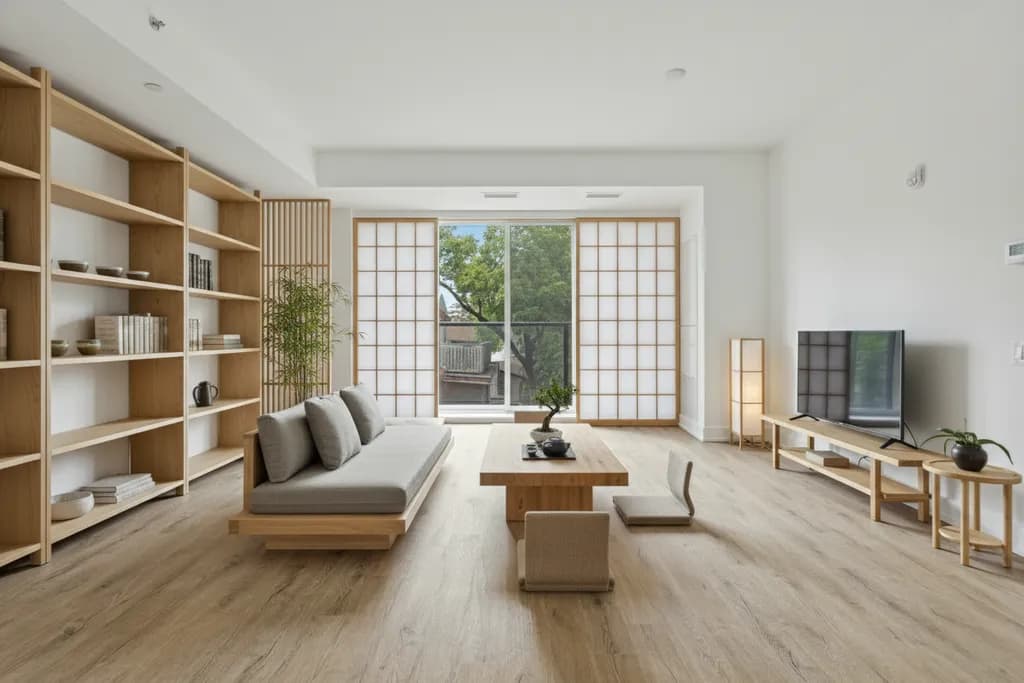
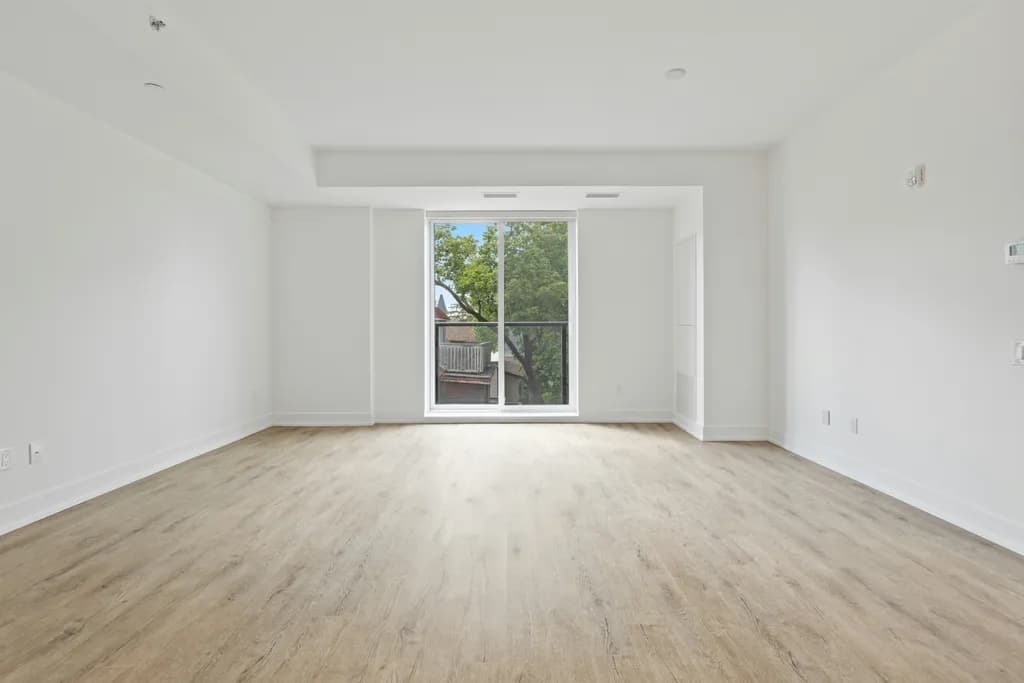
The Japanese palette for a outdoor space
Try this Japanese palette on your own outdoor space: Try Japanese in RivAI
How to get the look, step by step
- 1Photograph your outdoor space in daylight with the widest view you can frame — the RivAI app needs the whole space to work with.
- 2Set the base: Rice Cream (#EFE6D5) for walls and shoji screens.
- 3Add a heat source - fire pit, tabletop heater or blankets in a basket - to stretch the season by two months.
- 4Bring in cedar, cypress and bamboo wood and rice-paper shoji screens — the two signature materials of Japanese design.
- 5Add one statement piece: low platform bed or futon.
- 6Finish with indigo blue (#2E3A59) accents in textiles or decor, keeping them under 10% of the visual field.
Key materials
- Cedar, cypress and bamboo wood
- Rice-paper shoji screens
- Tatami straw matting
- Handmade ceramic and stoneware
- Indigo-dyed cotton and linen
Furniture to look for
- Low platform bed or futon
- Low wooden table with floor cushions
- Shoji room divider or sliding screen
- Tokonoma-style alcove with one artwork
- Tansu chest for storage
Mistakes to avoid
- Treating the space as an afterthought with no zones, so it collects random furniture and rarely gets used.
- Using indoor materials outside - one wet season destroys unsealed wood, steel and cotton fabric.
- Forgetting shade and wind protection, so the space is comfortable only a few hours a day.
Budget tips
- Define zones with gravel, mulch or an outdoor rug before buying furniture - boundaries are free.
- Repaint and re-oil existing wood and metal furniture instead of replacing it.
- Container gardens in grouped pots deliver landscaping impact without landscaper prices.
FAQ
Does Japanese work in a outdoor space?
Yes, with adaptation. Japanese is not the most common choice for a outdoor space, but its palette — led by Rice Cream (#EFE6D5) — and materials like cedar, cypress and bamboo wood can work well if you keep the layout practical and use the style mainly in finishes and decor.
What colors should I use for a Japanese outdoor space?
The core palette is Rice Cream #EFE6D5, Cedar Wood #A97748, Charcoal Ink #33342F, Indigo Blue #2E3A59, Tatami Straw #C7B88A. Use Rice Cream as the dominant color, Cedar Wood for secondary surfaces, and keep Indigo Blue for accents only.
Can I see my own outdoor space in Japanese style before committing?
Yes. Take a photo of your outdoor space in the RivAI iPhone app, choose the Japanese style, and you get a photorealistic preview in about 30 seconds on the Standard tier. RivAI is free to try, so you can compare Japanese with a few other styles before you buy paint or furniture.
What colors define a Japanese interior?
The base is rice cream (#EFE6D5) and tatami straw (#C7B88A), warmed with cedar wood (#A97748) and grounded with charcoal ink (#33342F). Indigo blue (#2E3A59) appears in cushions and textiles as the traditional accent color.
Keep exploring
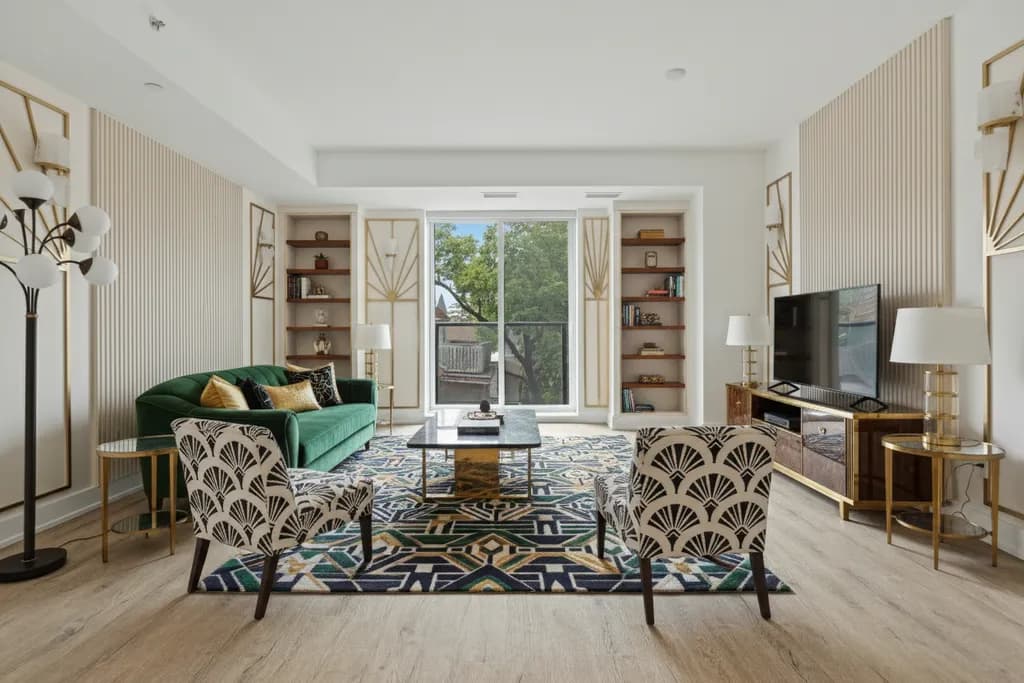
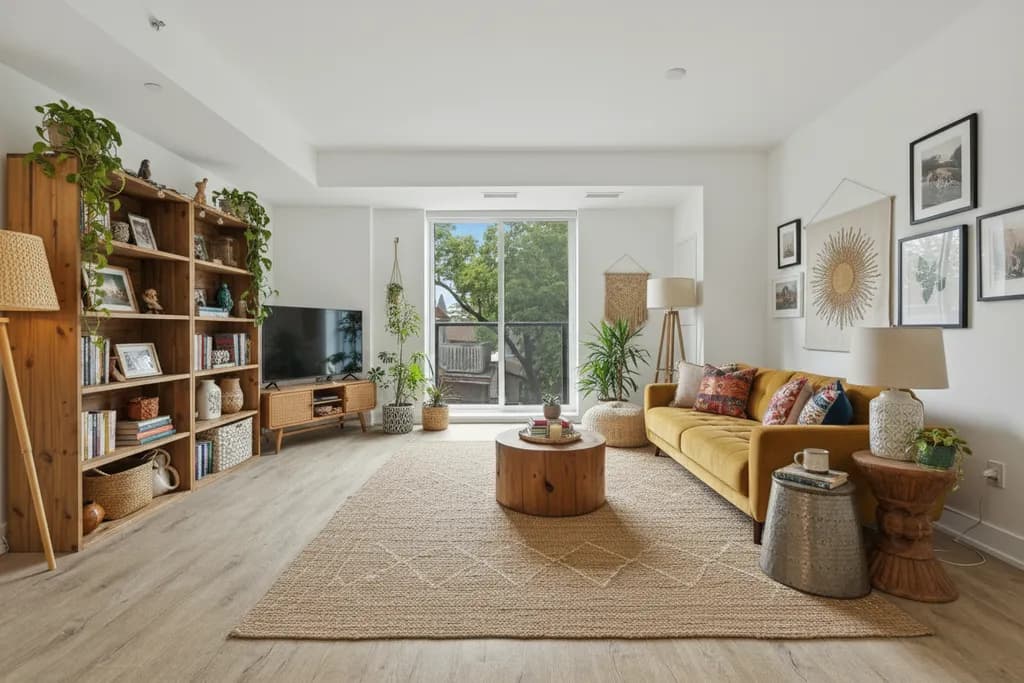
More: Japanese interior design, outdoor space ideas, AI exterior design and interior color palette generator.
Last updated 2026-10-09

Try Japanese on your outdoor space
Snap it, pick a style, see it redesigned in about 30 seconds.
Free to try · 3-day free trial on annual · Cancel anytime
