
Mid-Century · Front Yard
Mid-Century Front Yard ideas
A Mid-Century front yard pairs teak and walnut wood with a teak (#8A5A33) base. Start with teak sideboard with tapered legs, keep burnt orange (#C05621) to accents under 10% of the room, and let molded plywood and fiberglass add texture. Preview it on your own front yard photo in RivAI first.
Free to try · 3-day free trial on annual · Cancel anytime
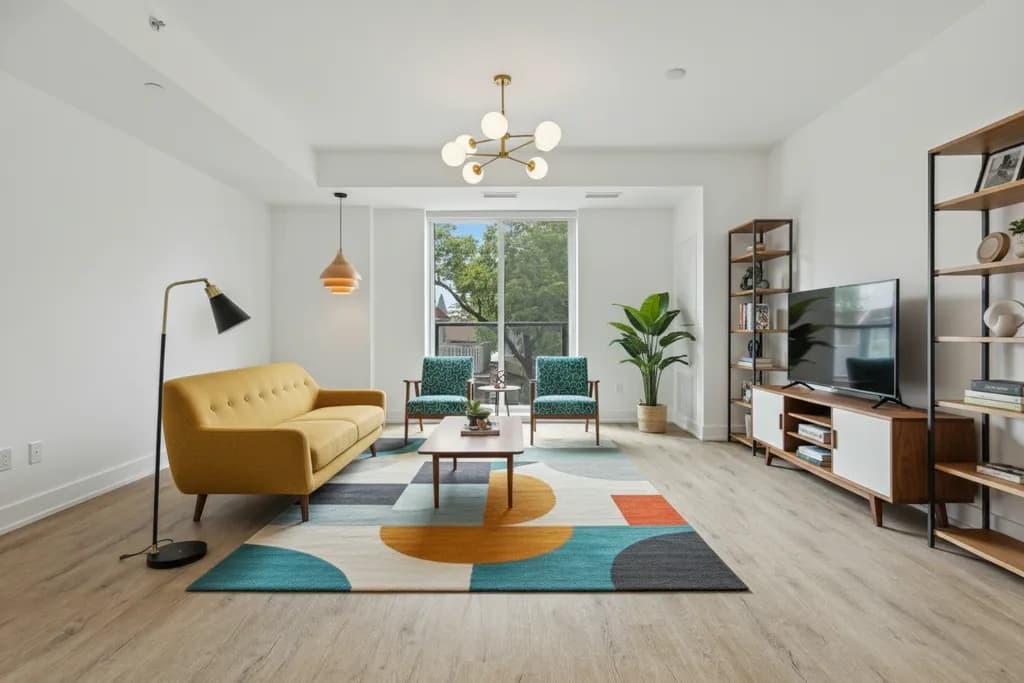
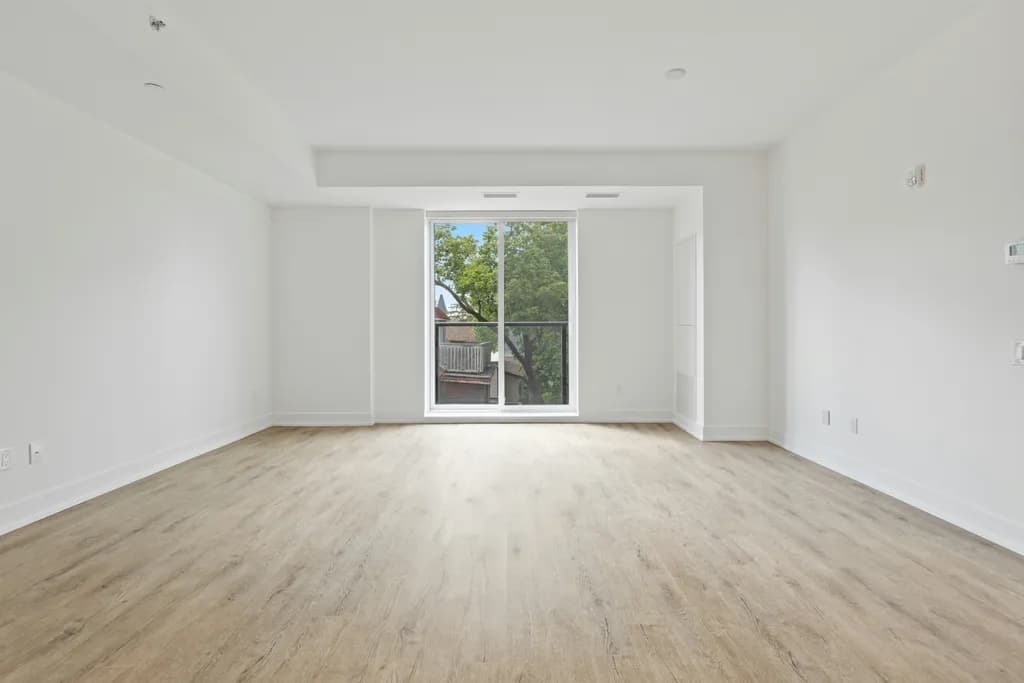
The Mid-Century palette for a front yard
Try this Mid-Century palette on your own front yard: Try Mid-Century in RivAI
How to get the look, step by step
- 1Photograph your front yard in daylight with the widest view you can frame — the RivAI app needs the whole space to work with.
- 2Set the base: Teak (#8A5A33) for furniture and wood paneling.
- 3Keep shrubs below window sill height at maturity - roughly 60-90 cm - so the house stays visible.
- 4Bring in teak and walnut wood and molded plywood and fiberglass — the two signature materials of Mid-Century design.
- 5Add one statement piece: teak sideboard with tapered legs.
- 6Finish with burnt orange (#C05621) accents in textiles or decor, keeping them under 10% of the visual field.
Key materials
- Teak and walnut wood
- Molded plywood and fiberglass
- Brass and matte gold accents
- Tweed and wool upholstery
- Ceramic and enamel decor
Furniture to look for
- Teak sideboard with tapered legs
- Eames-style lounge chair and ottoman
- Tulip or oval dining table
- Kidney-shaped coffee table
- Sputnik or arc floor lamp
Mistakes to avoid
- Planting shrubs that grow over windows and swallow the facade within five years.
- Hiding the front door behind planting or an indirect path, so guests hesitate about where to go.
- Overplanting with too many species, which reads as clutter from the street.
Budget tips
- Edge and mulch existing beds before buying a single plant - crisp edges transform tired plantings for the cost of mulch.
- Choose native plants suited to your rainfall; they need no irrigation after year one and replace themselves slowly.
- Divide perennials from your own backyard or a neighbor's instead of buying new.
FAQ
Does Mid-Century work in a front yard?
Yes, with adaptation. Mid-Century is not the most common choice for a front yard, but its palette — led by Teak (#8A5A33) — and materials like teak and walnut wood can work well if you keep the layout practical and use the style mainly in finishes and decor.
What colors should I use for a Mid-Century front yard?
The core palette is Teak #8A5A33, Olive Green #6B7248, Mustard Yellow #D9A62E, Burnt Orange #C05621, Warm Cream #F0E7D8. Use Teak as the dominant color, Olive Green for secondary surfaces, and keep Burnt Orange for accents only.
Can I see my own front yard in Mid-Century style before committing?
Yes. Take a photo of your front yard in the RivAI iPhone app, choose the Mid-Century style, and you get a photorealistic preview in about 30 seconds on the Standard tier. RivAI is free to try, so you can compare Mid-Century with a few other styles before you buy paint or furniture.
What colors go with mid-century modern furniture?
Pair teak (#8A5A33) and walnut with warm cream walls (#F0E7D8), then add the era's signature accents: olive green (#6B7248), mustard yellow (#D9A62E) and burnt orange (#C05621). Avoid cool grays, which flatten the warmth of the wood.
Keep exploring
More: Mid-Century interior design, front yard ideas, AI landscape design and interior color palette generator.
Last updated 2026-10-09
Try Mid-Century on your front yard
Snap it, pick a style, see it redesigned in about 30 seconds.
Free to try · 3-day free trial on annual · Cancel anytime
