
Style guide
Mid-century modern interior design: the complete guide
Teak, tapered legs and organic curves from the golden age
Mid-century modern interior design is a style from roughly 1945 to 1969 known for organic shapes, tapered wooden legs, and honest materials. It pairs warm teak and walnut furniture with a palette of olive green, mustard yellow and burnt orange, mixing wood, molded plastic and brass in functional, sculptural pieces.
Free to try · 3-day free trial on annual · Cancel anytime
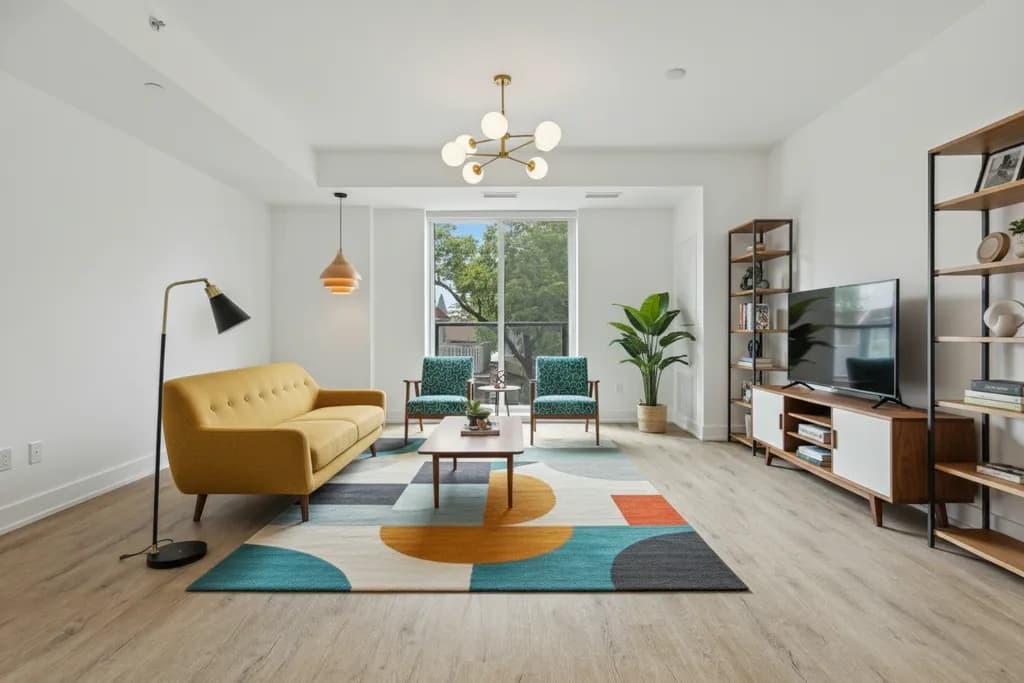
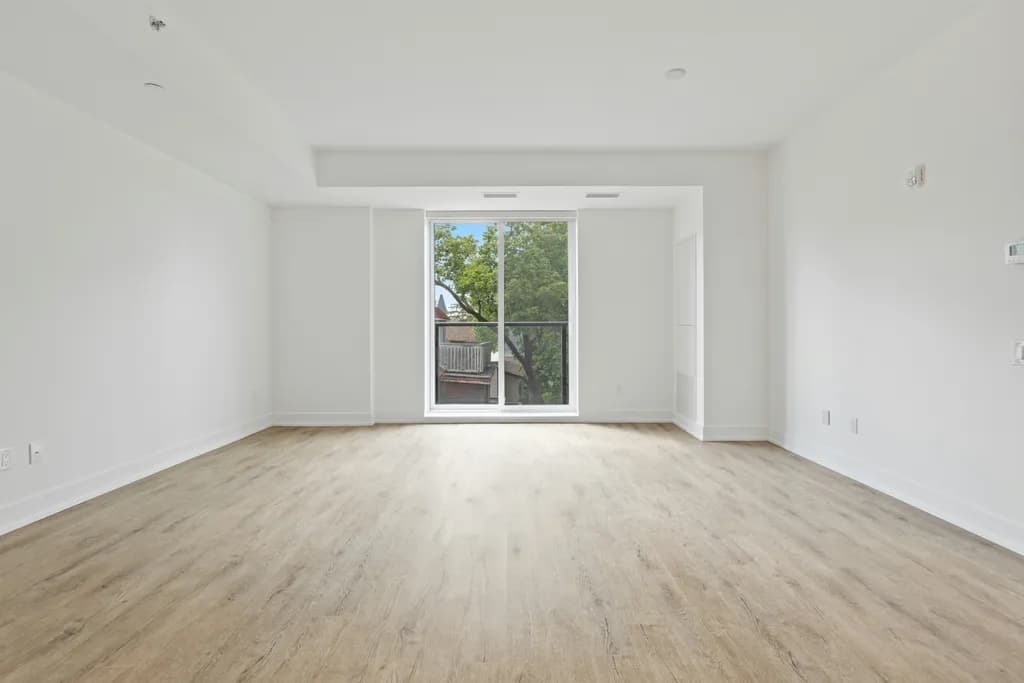
The Mid-Century palette
See this Mid-Century palette on a photo of your own room: Try Mid-Century in RivAI
Try these exact colors on your walls with the paint color visualizer, or generate variations in the free palette generator.
What defines Mid-Century design?
Mid-century modern emerged after World War II, roughly 1945 to 1969, when designers like Charles and Ray Eames, Eero Saarinen and Arne Jacobsen used new molding techniques to make furniture that was sculptural, mass-producible and affordable. The style reflected postwar optimism: open-plan homes, big windows and furniture that floated on slender legs.
The signature look combines organic curves with clean geometry - a kidney-shaped coffee table, a tulip chair, a sunburst clock. Teak, walnut and rosewood dominate, finished warm rather than dark, and furniture is raised on tapered legs so light flows underneath and rooms feel open.
Color is where mid-century separates itself from plain modernism: olive green, mustard yellow, burnt orange and teal appear in upholstery, rugs and ceramics against warm wood. Graphic patterns - atomic starbursts, boomerangs, geometrics - show up in wallpaper and textiles in small, confident doses.
Try Mid-Century on your own space with AI interior design, interior color palette generator and interior design style quiz.
Signature materials
- Teak and walnut wood
- Molded plywood and fiberglass
- Brass and matte gold accents
- Tweed and wool upholstery
- Ceramic and enamel decor
- Terrazzo and cork flooring
Furniture & decor
- Teak sideboard with tapered legs
- Eames-style lounge chair and ottoman
- Tulip or oval dining table
- Kidney-shaped coffee table
- Sputnik or arc floor lamp
- Sunburst clock or starburst mirror
Mistakes to avoid
- Buying every piece in matching teak, which turns the room into a furniture showroom from 1962.
- Overdoing atomic patterns on wallpaper, curtains and rugs at the same time.
- Choosing reproduction furniture with the right shape but wrong proportions - tapered legs should be slender, not chunky.
- Mixing mid-century with rustic farmhouse wood, whose rough texture clashes with the refined vintage finish.
- Using cool gray walls that kill the warmth of teak and mustard tones.
Mid-Century on a budget
- Hunt for original 1960s pieces at estate sales and flea markets - real teak sideboards often cost less than new reproductions.
- Refinish one tired wooden piece with teak oil instead of replacing it; mid-century wood responds beautifully to restoration.
- Get the look with one statement chair in mustard or olive rather than a full vintage set.
- Swap modern lamp shades for drum shades and add a second-hand arc lamp to change the era of the room cheaply.
- Use geometric cushion covers and one piece of retro art to signal the style before investing in furniture.
Mid-Century ideas by room
Mid-Century FAQ
What years define mid-century modern design?
Mid-century modern covers roughly 1945 to 1969, the postwar decades when designers like Charles and Ray Eames and Eero Saarinen defined the style. Its hallmarks are organic shapes, tapered legs, teak and walnut wood, and functional furniture made with then-new molding techniques.
What colors go with mid-century modern furniture?
Pair teak (#8A5A33) and walnut with warm cream walls (#F0E7D8), then add the era's signature accents: olive green (#6B7248), mustard yellow (#D9A62E) and burnt orange (#C05621). Avoid cool grays, which flatten the warmth of the wood.
Is mid-century modern still in style?
Yes - it has been continuously popular for over two decades because its shapes are simple enough to mix with modern, Scandinavian and even industrial rooms. Original 1960s pieces and quality reproductions both hold their value well.
Can I see my room in mid-century style before buying vintage furniture?
Yes. Take a photo of your room in the RivAI iPhone app and pick Mid-Century from 43 styles to see walnut tones, tapered legs and low-slung seating in your actual space in about 30 seconds. RivAI is free to try, so you can check the look before hunting for vintage pieces.
Related styles
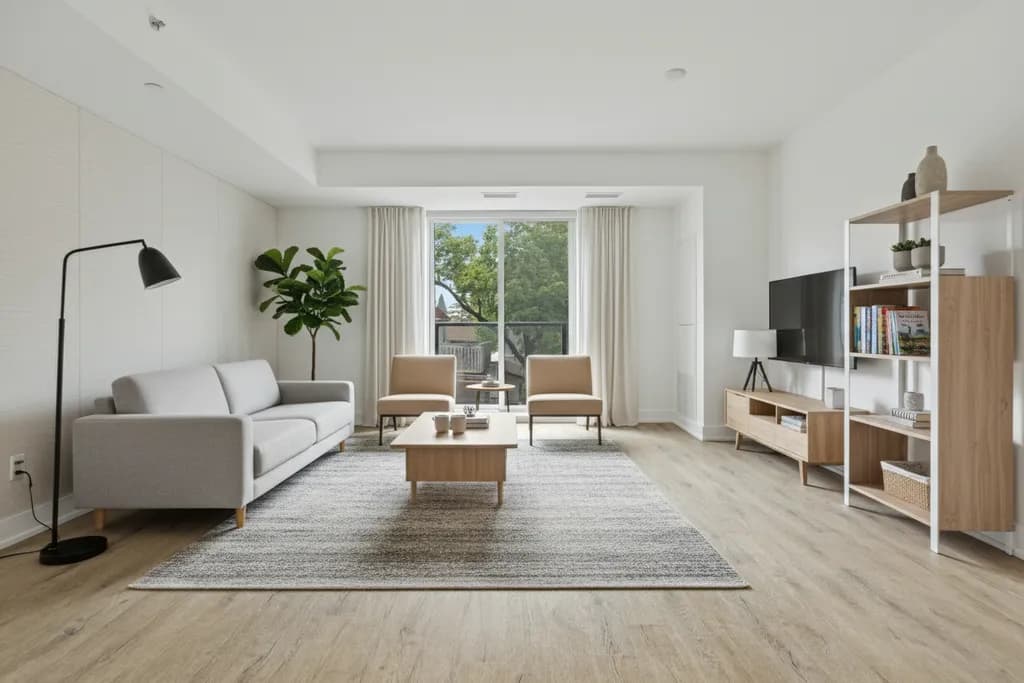
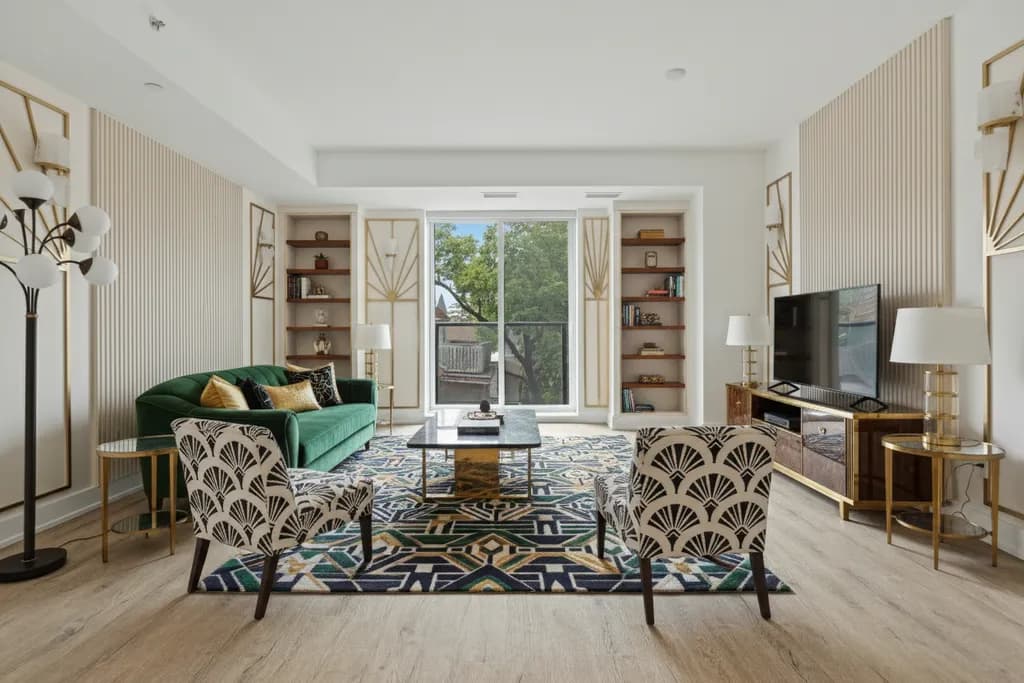
Last updated 2026-10-09
Redesign your room in Mid-Century
Snap it, pick a style, see it redesigned in about 30 seconds.
Free to try · 3-day free trial on annual · Cancel anytime
