
Mid-Century · Home Office
Mid-Century Home Office ideas
A Mid-Century home office pairs teak and walnut wood with a teak (#8A5A33) base. Start with teak sideboard with tapered legs, keep burnt orange (#C05621) to accents under 10% of the room, and let molded plywood and fiberglass add texture. Preview it on your own home office photo in RivAI first.
Free to try · 3-day free trial on annual · Cancel anytime
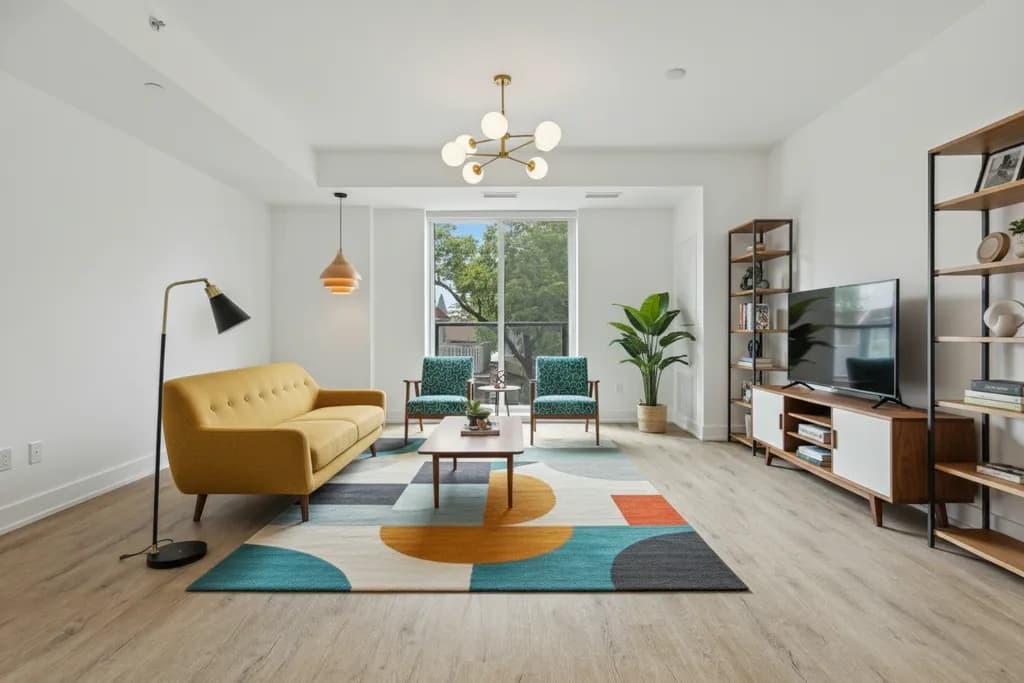
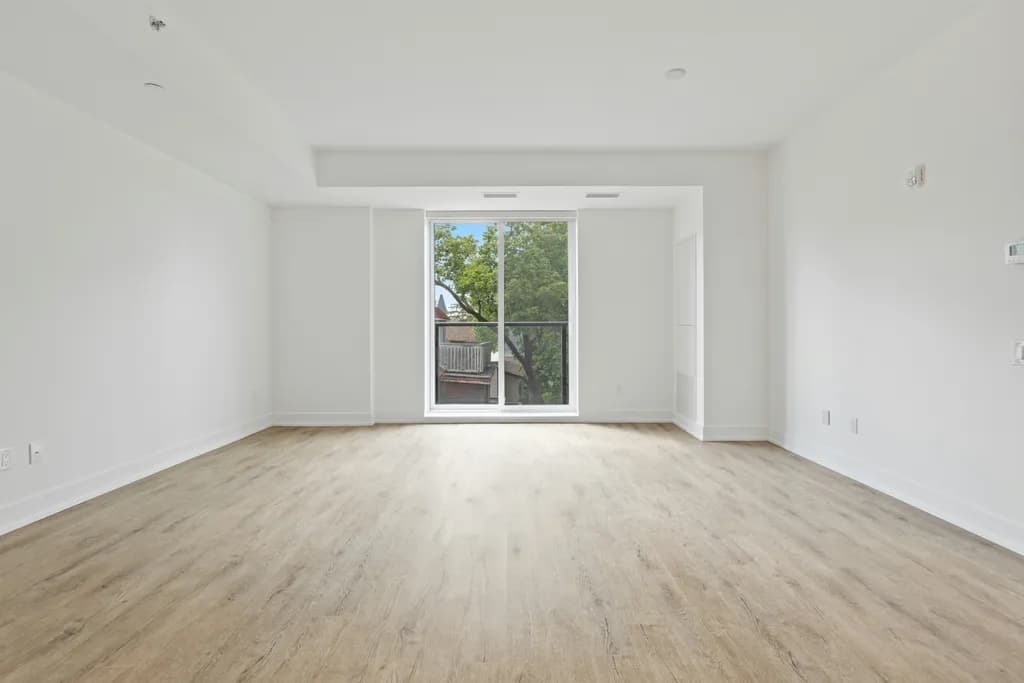
The Mid-Century palette for a home office
Try this Mid-Century palette on your own home office: Try Mid-Century in RivAI
How to get the look, step by step
- 1Photograph your home office in daylight with the widest view you can frame — the RivAI app needs the whole space to work with.
- 2Set the base: Teak (#8A5A33) for furniture and wood paneling.
- 3Use a desk at least 120x60 cm; 140 cm wide or more if you run dual monitors.
- 4Bring in teak and walnut wood and molded plywood and fiberglass — the two signature materials of Mid-Century design.
- 5Add one statement piece: teak sideboard with tapered legs.
- 6Finish with burnt orange (#C05621) accents in textiles or decor, keeping them under 10% of the visual field.
Key materials
- Teak and walnut wood
- Molded plywood and fiberglass
- Brass and matte gold accents
- Tweed and wool upholstery
- Ceramic and enamel decor
Furniture to look for
- Teak sideboard with tapered legs
- Eames-style lounge chair and ottoman
- Tulip or oval dining table
- Kidney-shaped coffee table
- Sputnik or arc floor lamp
Mistakes to avoid
- Facing the window directly, so you squint all morning and appear as a silhouette on calls.
- Working long-term from a dining chair, which costs your back far more than a proper chair costs your wallet.
- Relying on a single ceiling light, which creates screen glare and tired eyes by afternoon.
Budget tips
- Repurpose a sturdy dining table or second-hand desk before buying new - surface matters more than brand.
- Spend your budget on the chair first; a used ergonomic chair beats a new cheap one at the same price.
- Add a monitor arm and laptop stand to reclaim desk space for under fifty dollars.
FAQ
Does Mid-Century work in a home office?
Yes — Mid-Century is one of the best-suited styles for a home office. Its teak and walnut wood and teak base palette fit the way this space is used. Keep the room's function first and let the style come through in finishes and textiles.
What colors should I use for a Mid-Century home office?
The core palette is Teak #8A5A33, Olive Green #6B7248, Mustard Yellow #D9A62E, Burnt Orange #C05621, Warm Cream #F0E7D8. Use Teak as the dominant color, Olive Green for secondary surfaces, and keep Burnt Orange for accents only.
Can I see my own home office in Mid-Century style before committing?
Yes. Take a photo of your home office in the RivAI iPhone app, choose the Mid-Century style, and you get a photorealistic preview in about 30 seconds on the Standard tier. RivAI is free to try, so you can compare Mid-Century with a few other styles before you buy paint or furniture.
What colors go with mid-century modern furniture?
Pair teak (#8A5A33) and walnut with warm cream walls (#F0E7D8), then add the era's signature accents: olive green (#6B7248), mustard yellow (#D9A62E) and burnt orange (#C05621). Avoid cool grays, which flatten the warmth of the wood.
Keep exploring
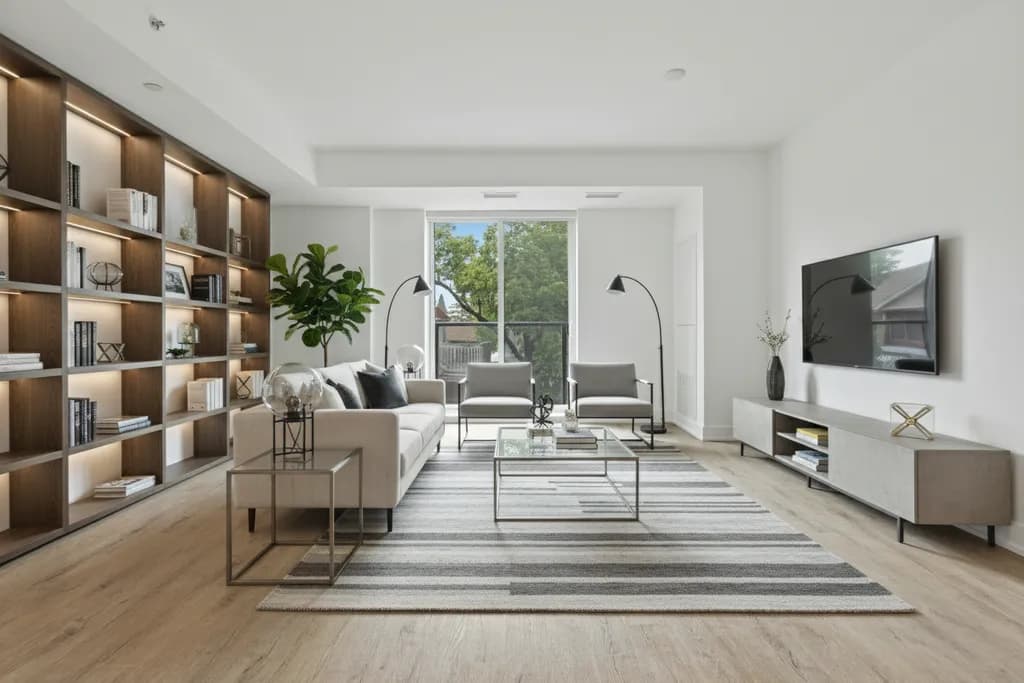
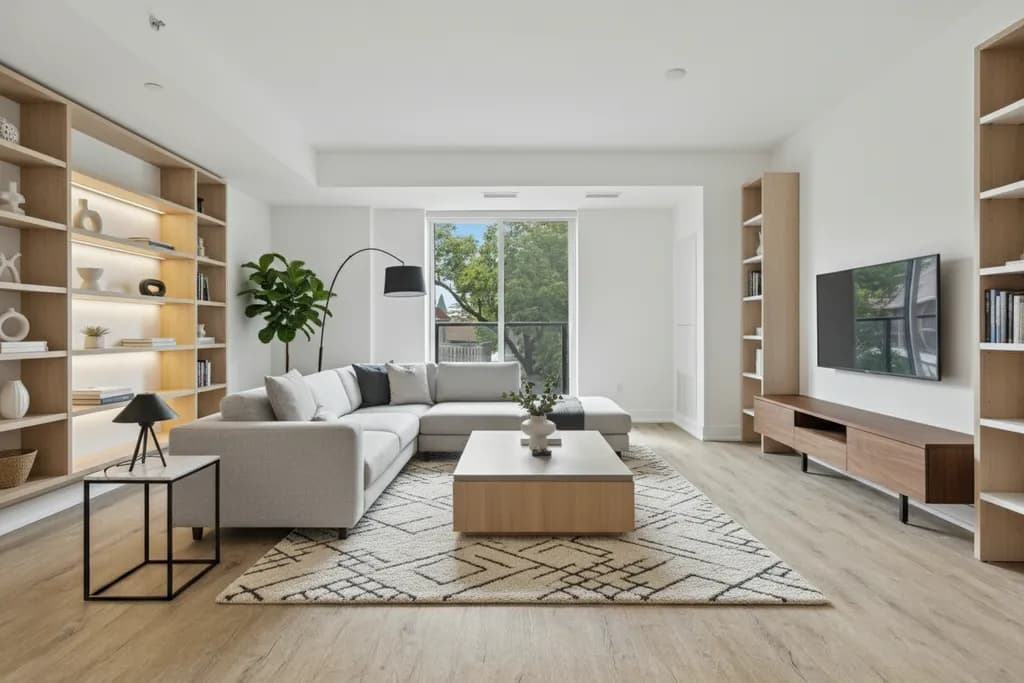
More: Mid-Century interior design, home office ideas, AI interior design and interior color palette generator.
Last updated 2026-10-09
Try Mid-Century on your home office
Snap it, pick a style, see it redesigned in about 30 seconds.
Free to try · 3-day free trial on annual · Cancel anytime
