
Mid-Century · Outdoor Space
Mid-Century Outdoor Space ideas
A Mid-Century outdoor space pairs teak and walnut wood with a teak (#8A5A33) base. Start with teak sideboard with tapered legs, keep burnt orange (#C05621) to accents under 10% of the room, and let molded plywood and fiberglass add texture. Preview it on your own outdoor space photo in RivAI first.
Free to try · 3-day free trial on annual · Cancel anytime
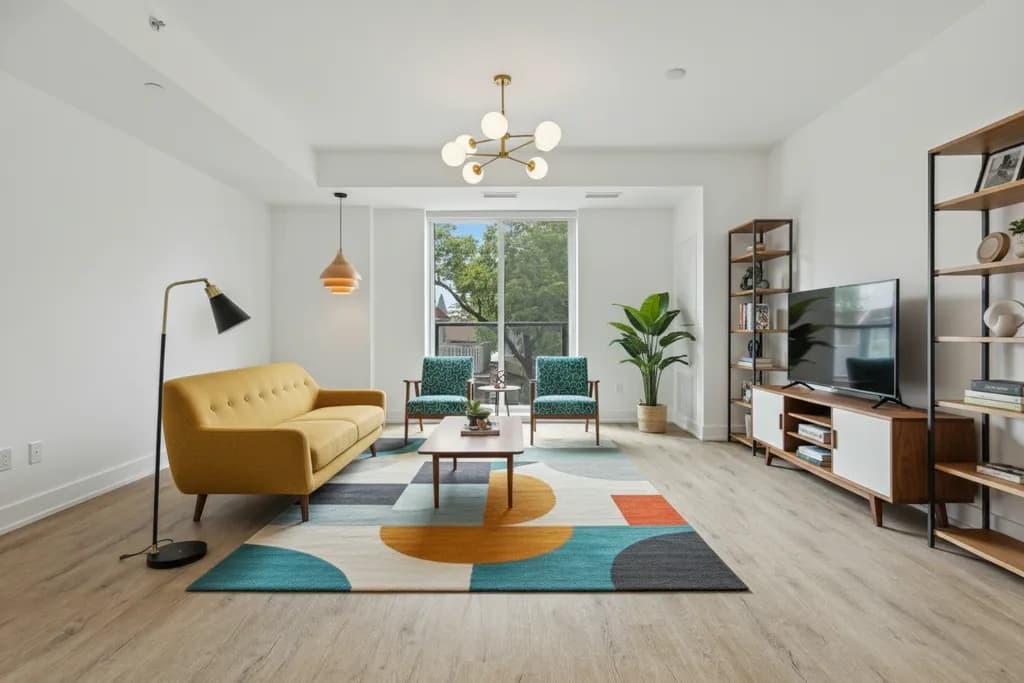
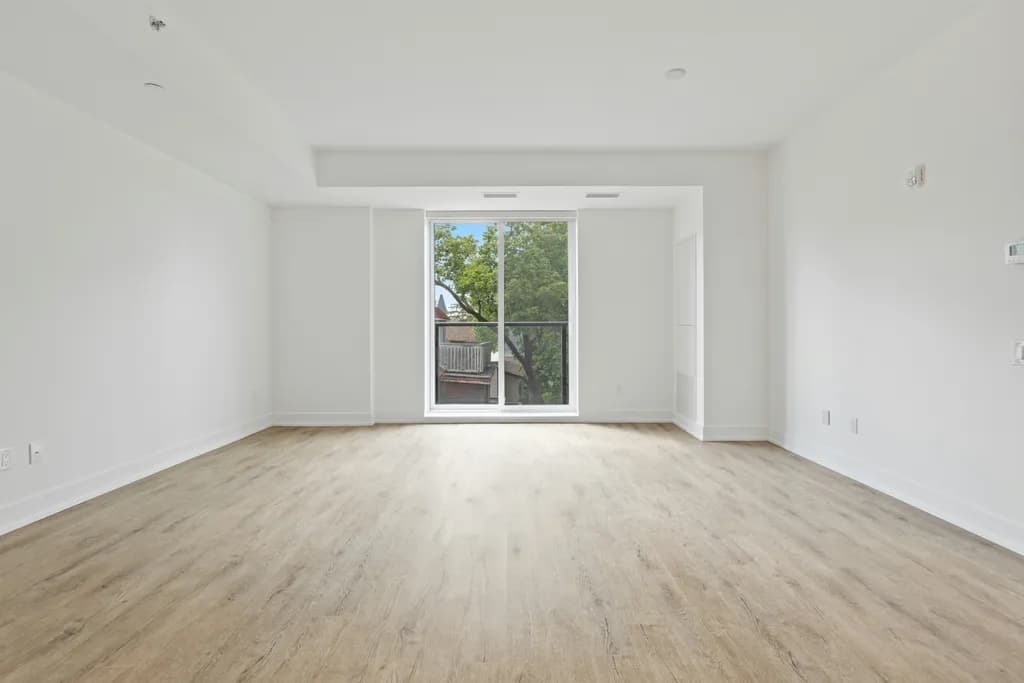
The Mid-Century palette for a outdoor space
Try this Mid-Century palette on your own outdoor space: Try Mid-Century in RivAI
How to get the look, step by step
- 1Photograph your outdoor space in daylight with the widest view you can frame — the RivAI app needs the whole space to work with.
- 2Set the base: Teak (#8A5A33) for furniture and wood paneling.
- 3Block prevailing wind with a screen, hedge or slatted fence on the exposed side only.
- 4Bring in teak and walnut wood and molded plywood and fiberglass — the two signature materials of Mid-Century design.
- 5Add one statement piece: teak sideboard with tapered legs.
- 6Finish with burnt orange (#C05621) accents in textiles or decor, keeping them under 10% of the visual field.
Key materials
- Teak and walnut wood
- Molded plywood and fiberglass
- Brass and matte gold accents
- Tweed and wool upholstery
- Ceramic and enamel decor
Furniture to look for
- Teak sideboard with tapered legs
- Eames-style lounge chair and ottoman
- Tulip or oval dining table
- Kidney-shaped coffee table
- Sputnik or arc floor lamp
Mistakes to avoid
- Treating the space as an afterthought with no zones, so it collects random furniture and rarely gets used.
- Using indoor materials outside - one wet season destroys unsealed wood, steel and cotton fabric.
- Forgetting shade and wind protection, so the space is comfortable only a few hours a day.
Budget tips
- Define zones with gravel, mulch or an outdoor rug before buying furniture - boundaries are free.
- Repaint and re-oil existing wood and metal furniture instead of replacing it.
- Container gardens in grouped pots deliver landscaping impact without landscaper prices.
FAQ
Does Mid-Century work in a outdoor space?
Yes, with adaptation. Mid-Century is not the most common choice for a outdoor space, but its palette — led by Teak (#8A5A33) — and materials like teak and walnut wood can work well if you keep the layout practical and use the style mainly in finishes and decor.
What colors should I use for a Mid-Century outdoor space?
The core palette is Teak #8A5A33, Olive Green #6B7248, Mustard Yellow #D9A62E, Burnt Orange #C05621, Warm Cream #F0E7D8. Use Teak as the dominant color, Olive Green for secondary surfaces, and keep Burnt Orange for accents only.
Can I see my own outdoor space in Mid-Century style before committing?
Yes. Take a photo of your outdoor space in the RivAI iPhone app, choose the Mid-Century style, and you get a photorealistic preview in about 30 seconds on the Standard tier. RivAI is free to try, so you can compare Mid-Century with a few other styles before you buy paint or furniture.
Is mid-century modern still in style?
Yes - it has been continuously popular for over two decades because its shapes are simple enough to mix with modern, Scandinavian and even industrial rooms. Original 1960s pieces and quality reproductions both hold their value well.
Keep exploring
More: Mid-Century interior design, outdoor space ideas, AI exterior design and interior color palette generator.
Last updated 2026-10-09
Try Mid-Century on your outdoor space
Snap it, pick a style, see it redesigned in about 30 seconds.
Free to try · 3-day free trial on annual · Cancel anytime
