
Traditional · Front Yard
Traditional Front Yard ideas
A Traditional front yard pairs mahogany, cherry and walnut woods with a warm cream (#F0E8D8) base. Start with rolled-arm sofa in a rich fabric, keep hunter green (#3E4E3A) to accents under 10% of the room, and let velvet, damask and brocade fabrics add texture. Preview it on your own front yard photo in RivAI first.
Free to try · 3-day free trial on annual · Cancel anytime
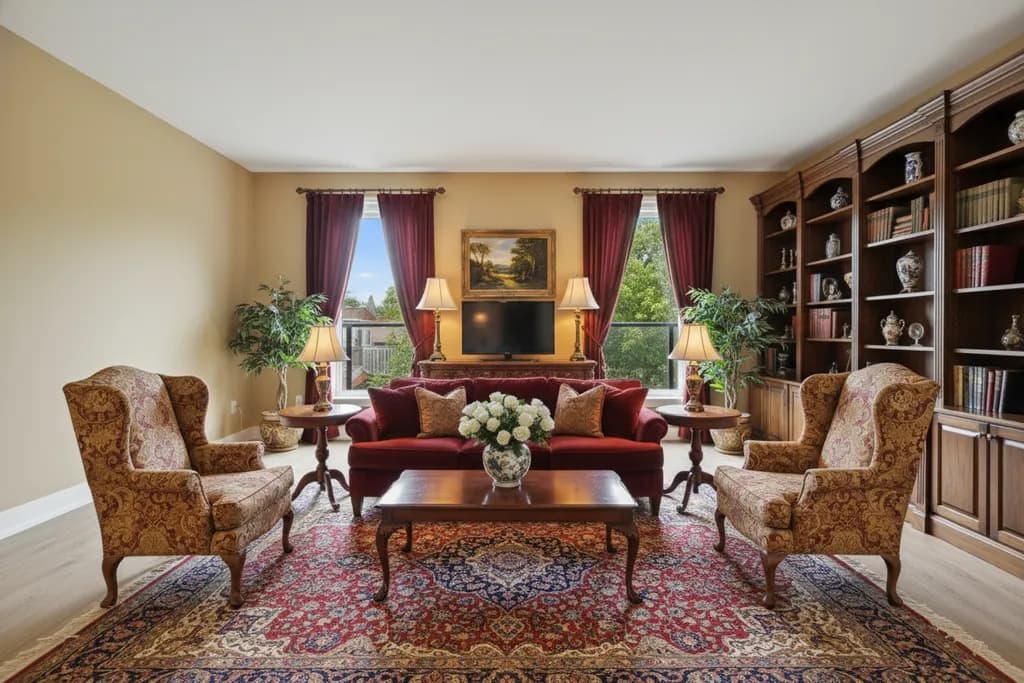
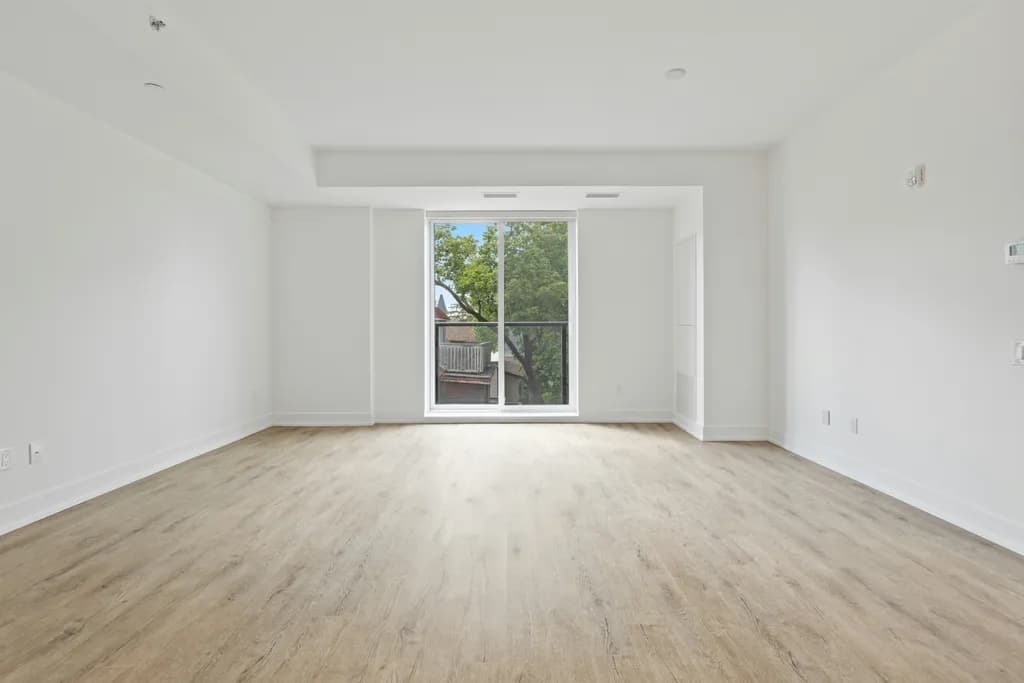
The Traditional palette for a front yard
Try this Traditional palette on your own front yard: Try Traditional in RivAI
How to get the look, step by step
- 1Photograph your front yard in daylight with the widest view you can frame — the RivAI app needs the whole space to work with.
- 2Set the base: Warm Cream (#F0E8D8) for walls and trim backdrop.
- 3Plant for the public view: three repeated species look composed; twelve different ones look like a nursery sale.
- 4Bring in mahogany, cherry and walnut woods and velvet, damask and brocade fabrics — the two signature materials of Traditional design.
- 5Add one statement piece: rolled-arm sofa in a rich fabric.
- 6Finish with hunter green (#3E4E3A) accents in textiles or decor, keeping them under 10% of the visual field.
Key materials
- Mahogany, cherry and walnut woods
- Velvet, damask and brocade fabrics
- Oriental and Persian wool rugs
- Brass and crystal lighting
- Crown molding and wainscoting
Furniture to look for
- Rolled-arm sofa in a rich fabric
- Wingback chairs placed in a pair
- Carved mahogany dining or side tables
- Tufted leather or upholstered ottoman
- Oriental rug anchoring the seating area
Mistakes to avoid
- Planting shrubs that grow over windows and swallow the facade within five years.
- Hiding the front door behind planting or an indirect path, so guests hesitate about where to go.
- Overplanting with too many species, which reads as clutter from the street.
Budget tips
- Edge and mulch existing beds before buying a single plant - crisp edges transform tired plantings for the cost of mulch.
- Choose native plants suited to your rainfall; they need no irrigation after year one and replace themselves slowly.
- Divide perennials from your own backyard or a neighbor's instead of buying new.
FAQ
Does Traditional work in a front yard?
Yes, with adaptation. Traditional is not the most common choice for a front yard, but its palette — led by Warm Cream (#F0E8D8) — and materials like mahogany, cherry and walnut woods can work well if you keep the layout practical and use the style mainly in finishes and decor.
What colors should I use for a Traditional front yard?
The core palette is Warm Cream #F0E8D8, Camel Beige #E3D6BE, Mahogany #5C3427, Hunter Green #3E4E3A, Burgundy #7A2E33. Use Warm Cream as the dominant color, Camel Beige for secondary surfaces, and keep Hunter Green for accents only.
Can I see my own front yard in Traditional style before committing?
Yes. Take a photo of your front yard in the RivAI iPhone app, choose the Traditional style, and you get a photorealistic preview in about 30 seconds on the Standard tier. RivAI is free to try, so you can compare Traditional with a few other styles before you buy paint or furniture.
What is the difference between traditional and transitional style?
Traditional leans fully into classic detail: carved woods, ornate rugs, formal symmetry. Transitional keeps the comfortable proportions of traditional but strips ornament, using cleaner lines and a quieter palette. Transitional is essentially traditional with modern restraint.
Keep exploring
More: Traditional interior design, front yard ideas, AI landscape design and interior color palette generator.
Last updated 2026-10-09
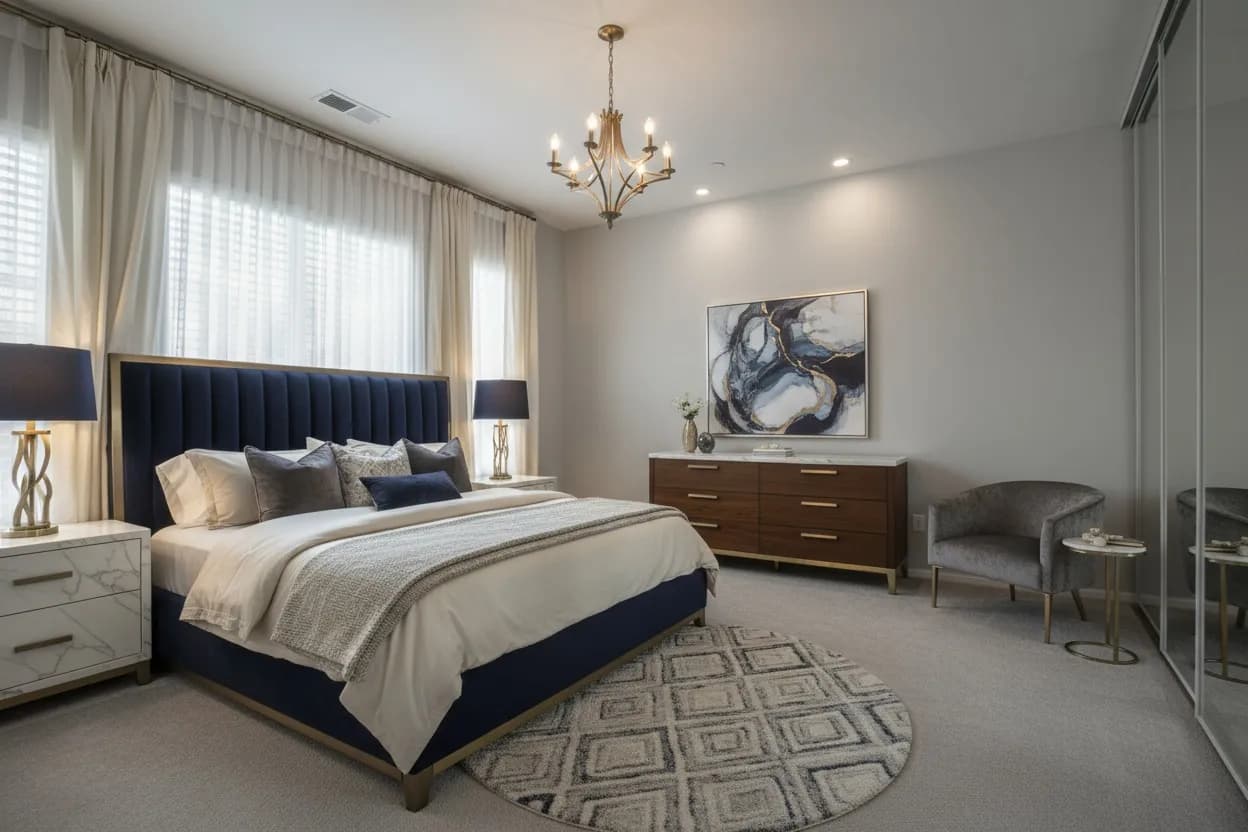
Try Traditional on your front yard
Snap it, pick a style, see it redesigned in about 30 seconds.
Free to try · 3-day free trial on annual · Cancel anytime
