
Style guide
Traditional interior design: the style guide
Classic symmetry, rich woods and timeless formal comfort
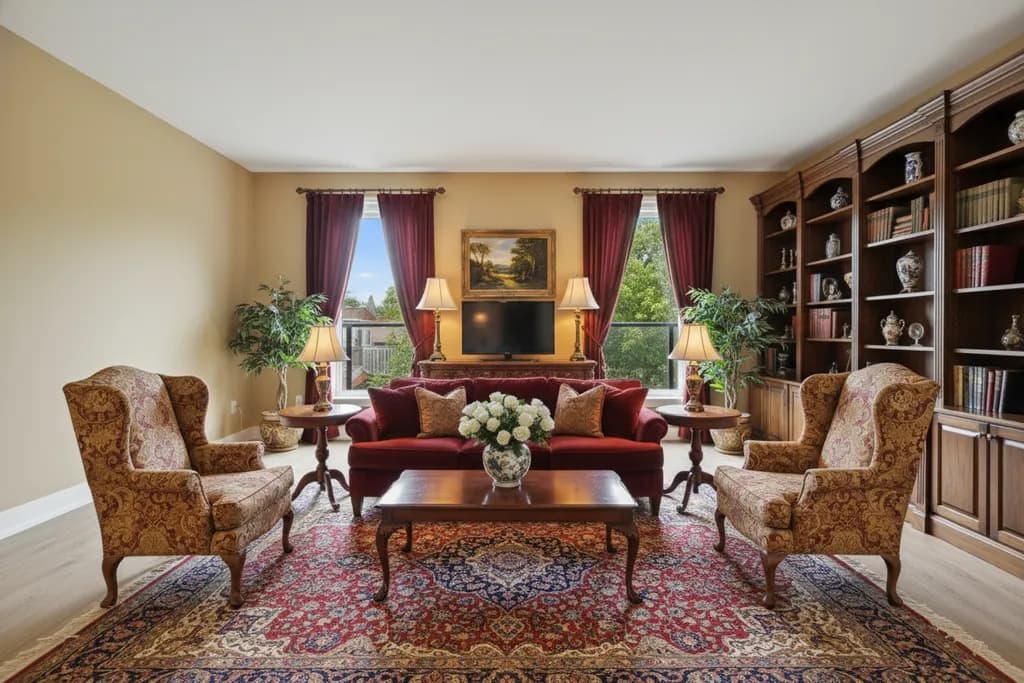
Traditional interior design is a classic style rooted in 18th and 19th century European decor. It features symmetrical furniture arrangements, rich dark woods like mahogany and cherry, elegant fabrics such as damask and velvet, and decorative details like crown molding, carved legs, and layered window treatments.
Free to try · 3-day free trial on annual · Cancel anytime
The Traditional palette
See this Traditional palette on a photo of your own room: Try Traditional in RivAI
Try these exact colors on your walls with the paint color visualizer, or generate variations in the free palette generator.
What defines Traditional design?
Traditional design draws on 18th and 19th century English and European interiors, filtered through decades of American interpretation. Its core principle is order: furniture is arranged symmetrically around a focal point, pairs of lamps flank sofas, and artwork is centered and hung at considered heights. The result is a room that feels settled, dignified and calm.
Materials skew rich and polished. Mahogany, cherry and walnut furniture with carved details, velvet and damask upholstery, oriental rugs over hardwood, and brass or crystal lighting all contribute to a layered, substantial feel. Colors are warm and mid-toned - cream, beige, deep green, burgundy - rather than stark or trendy.
Traditional style often gets dismissed as dated, but done well it is simply timeless. The key is restraint and quality: fewer, better pieces, consistent wood tones, and pattern used with discipline. A traditional room should feel like it could have existed twenty years ago and will still look right in twenty more.
Try Traditional on your own space with AI interior design, interior color palette generator and interior design style quiz.
Signature materials
- Mahogany, cherry and walnut woods
- Velvet, damask and brocade fabrics
- Oriental and Persian wool rugs
- Brass and crystal lighting
- Crown molding and wainscoting
- Polished marble and leather accents
Furniture & decor
- Rolled-arm sofa in a rich fabric
- Wingback chairs placed in a pair
- Carved mahogany dining or side tables
- Tufted leather or upholstered ottoman
- Oriental rug anchoring the seating area
- Brass table lamps in matched pairs
Mistakes to avoid
- Mixing too many wood tones - traditional rooms need consistent, coordinated case goods.
- Breaking symmetry everywhere; the style depends on balanced pairs and centered arrangements.
- Using stark white or cool gray walls that fight the warm, layered palette.
- Piling on every pattern at once instead of limiting the room to two or three coordinated prints.
- Choosing ornate reproduction furniture of poor quality rather than fewer, well-made pieces.
Traditional on a budget
- Buy solid mahogany or cherry furniture second-hand - old case pieces often cost less than new particleboard.
- Add crown molding and a chair rail to plain rooms for architectural weight at modest cost.
- Use pairs of inexpensive lamps and matching frames to create symmetry without expensive furniture.
- Layer a smaller thrifted oriental rug over a larger natural-fiber rug to get the look on less floor.
- Reupholster a well-built vintage wingback instead of buying a new accent chair.
Traditional ideas by room
Traditional FAQ
Is traditional interior design outdated?
No - traditional style cycles back constantly because its bones are timeless: symmetry, quality woods and warm colors. What dates a room is usually cheap reproduction furniture or pattern overload, not the style itself. Updated traditional keeps the structure and edits the clutter.
What is the difference between traditional and transitional style?
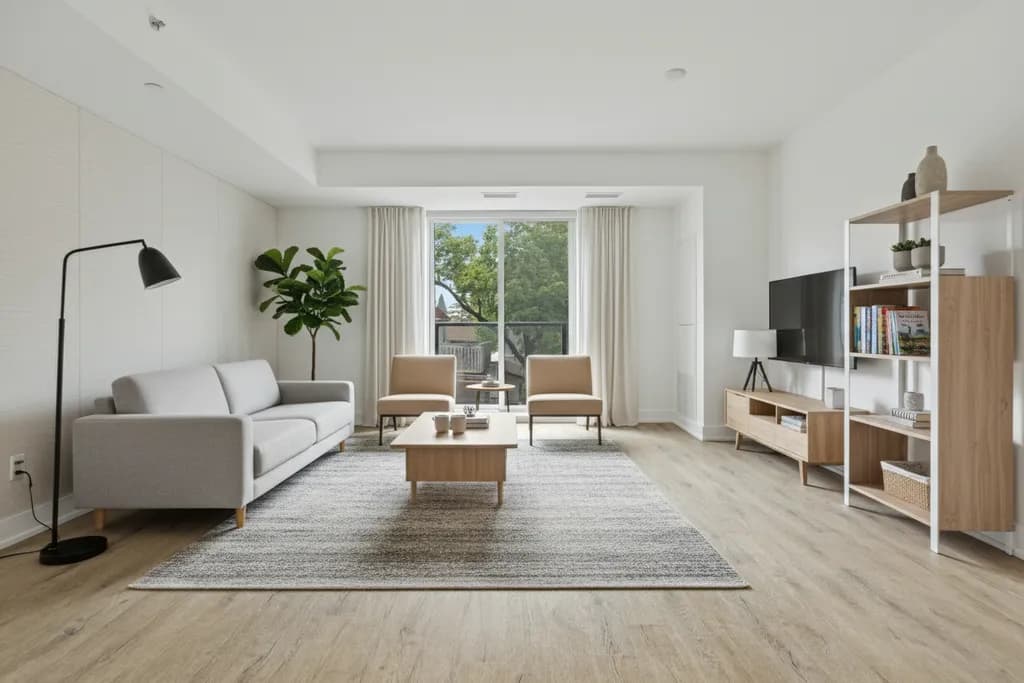
Traditional leans fully into classic detail: carved woods, ornate rugs, formal symmetry. Transitional keeps the comfortable proportions of traditional but strips ornament, using cleaner lines and a quieter palette. Transitional is essentially traditional with modern restraint.
What colors work best in a traditional living room?
Warm neutrals like cream and camel form the base, with deep accents - hunter green, burgundy or navy - in rugs, drapery and pillows. Wood furniture in mahogany or cherry tones ties it together, and walls usually stay light so the room does not feel heavy.
Can I preview a traditional redesign of my own room?
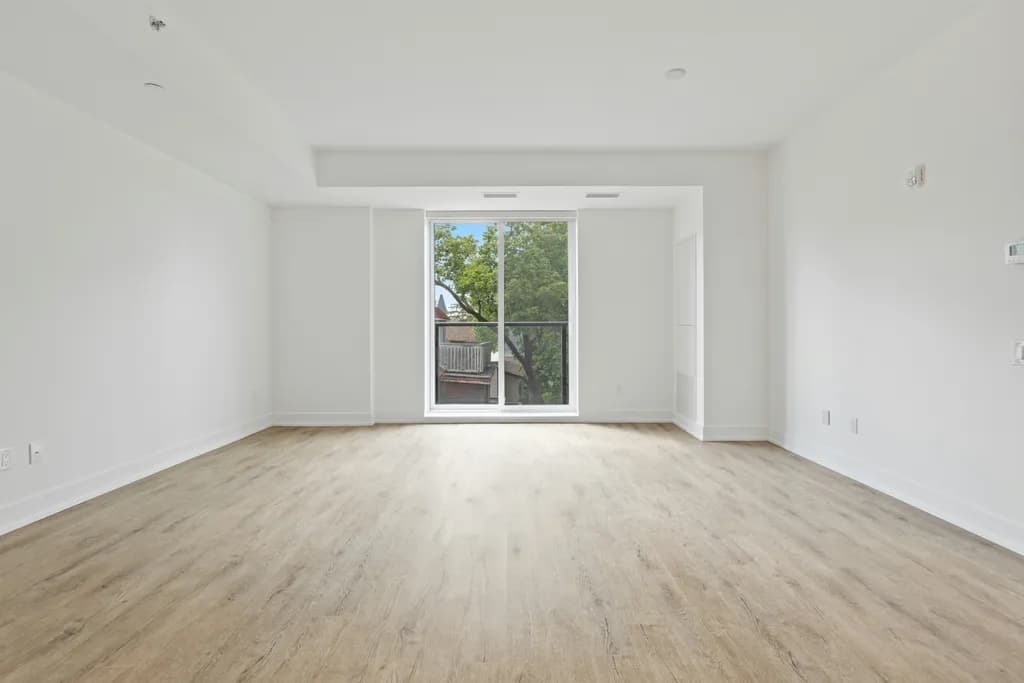
Yes. Take a photo of your room in the RivAI iPhone app, pick Traditional from 43 styles, and see dark wood, rich fabrics and symmetrical arrangements on your own space in about 30 seconds. RivAI is free to try, so you can compare it with lighter styles before committing.
Related styles
Last updated 2026-10-09
Redesign your room in Traditional
Snap it, pick a style, see it redesigned in about 30 seconds.
Free to try · 3-day free trial on annual · Cancel anytime
