
Traditional · Home Office
Traditional Home Office ideas
A Traditional home office pairs mahogany, cherry and walnut woods with a warm cream (#F0E8D8) base. Start with rolled-arm sofa in a rich fabric, keep hunter green (#3E4E3A) to accents under 10% of the room, and let velvet, damask and brocade fabrics add texture. Preview it on your own home office photo in RivAI first.
Free to try · 3-day free trial on annual · Cancel anytime
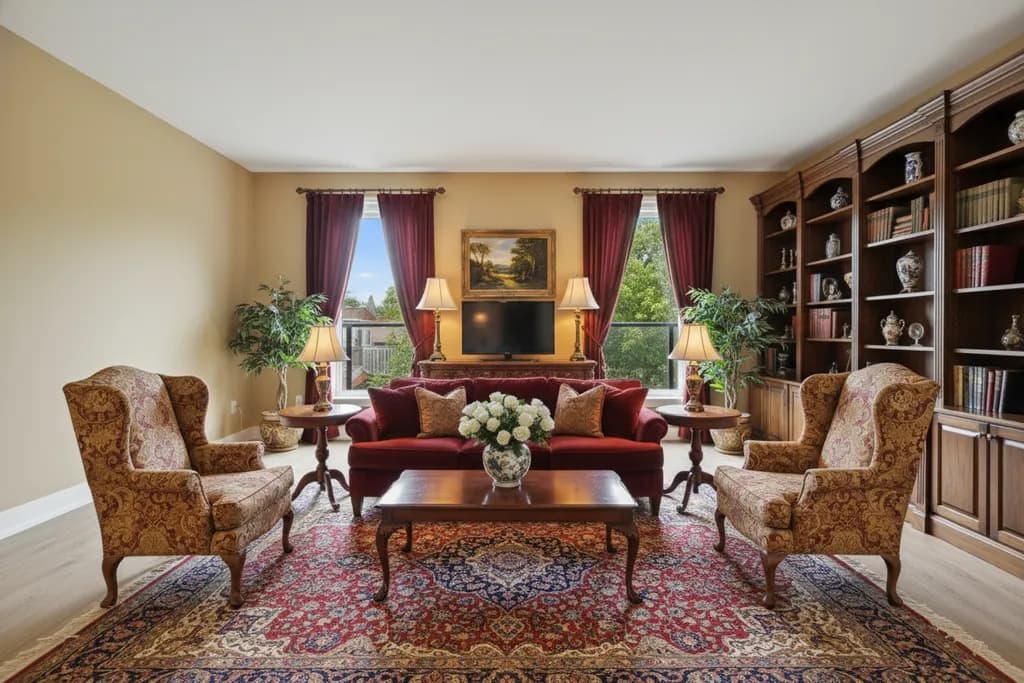
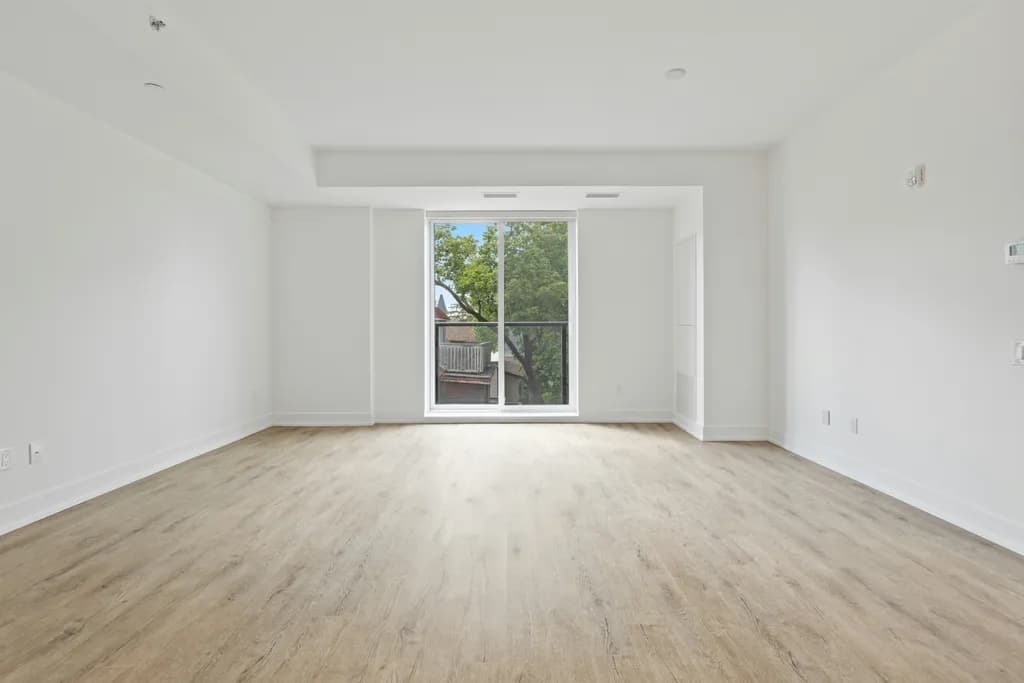
The Traditional palette for a home office
Try this Traditional palette on your own home office: Try Traditional in RivAI
How to get the look, step by step
- 1Photograph your home office in daylight with the widest view you can frame — the RivAI app needs the whole space to work with.
- 2Set the base: Warm Cream (#F0E8D8) for walls and trim backdrop.
- 3Position the desk perpendicular to the window so daylight falls from the side without screen glare.
- 4Bring in mahogany, cherry and walnut woods and velvet, damask and brocade fabrics — the two signature materials of Traditional design.
- 5Add one statement piece: rolled-arm sofa in a rich fabric.
- 6Finish with hunter green (#3E4E3A) accents in textiles or decor, keeping them under 10% of the visual field.
Key materials
- Mahogany, cherry and walnut woods
- Velvet, damask and brocade fabrics
- Oriental and Persian wool rugs
- Brass and crystal lighting
- Crown molding and wainscoting
Furniture to look for
- Rolled-arm sofa in a rich fabric
- Wingback chairs placed in a pair
- Carved mahogany dining or side tables
- Tufted leather or upholstered ottoman
- Oriental rug anchoring the seating area
Mistakes to avoid
- Facing the window directly, so you squint all morning and appear as a silhouette on calls.
- Working long-term from a dining chair, which costs your back far more than a proper chair costs your wallet.
- Relying on a single ceiling light, which creates screen glare and tired eyes by afternoon.
Budget tips
- Repurpose a sturdy dining table or second-hand desk before buying new - surface matters more than brand.
- Spend your budget on the chair first; a used ergonomic chair beats a new cheap one at the same price.
- Add a monitor arm and laptop stand to reclaim desk space for under fifty dollars.
FAQ
Does Traditional work in a home office?
Yes — Traditional is one of the best-suited styles for a home office. Its mahogany, cherry and walnut woods and warm cream base palette fit the way this space is used. Keep the room's function first and let the style come through in finishes and textiles.
What colors should I use for a Traditional home office?
The core palette is Warm Cream #F0E8D8, Camel Beige #E3D6BE, Mahogany #5C3427, Hunter Green #3E4E3A, Burgundy #7A2E33. Use Warm Cream as the dominant color, Camel Beige for secondary surfaces, and keep Hunter Green for accents only.
Can I see my own home office in Traditional style before committing?
Yes. Take a photo of your home office in the RivAI iPhone app, choose the Traditional style, and you get a photorealistic preview in about 30 seconds on the Standard tier. RivAI is free to try, so you can compare Traditional with a few other styles before you buy paint or furniture.
What is the difference between traditional and transitional style?
Traditional leans fully into classic detail: carved woods, ornate rugs, formal symmetry. Transitional keeps the comfortable proportions of traditional but strips ornament, using cleaner lines and a quieter palette. Transitional is essentially traditional with modern restraint.
Keep exploring
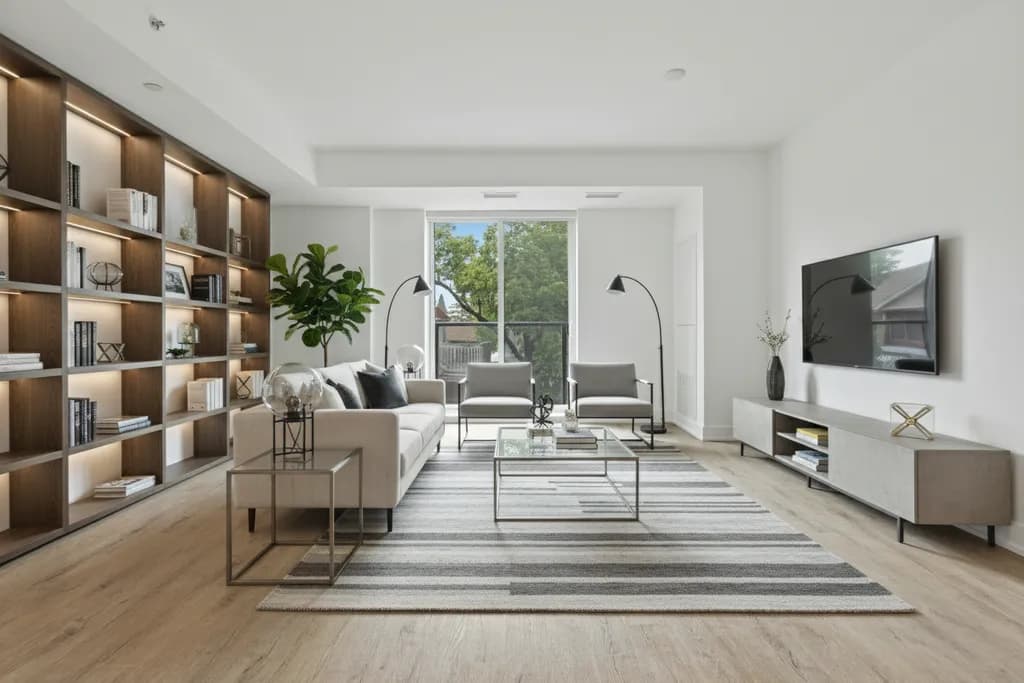
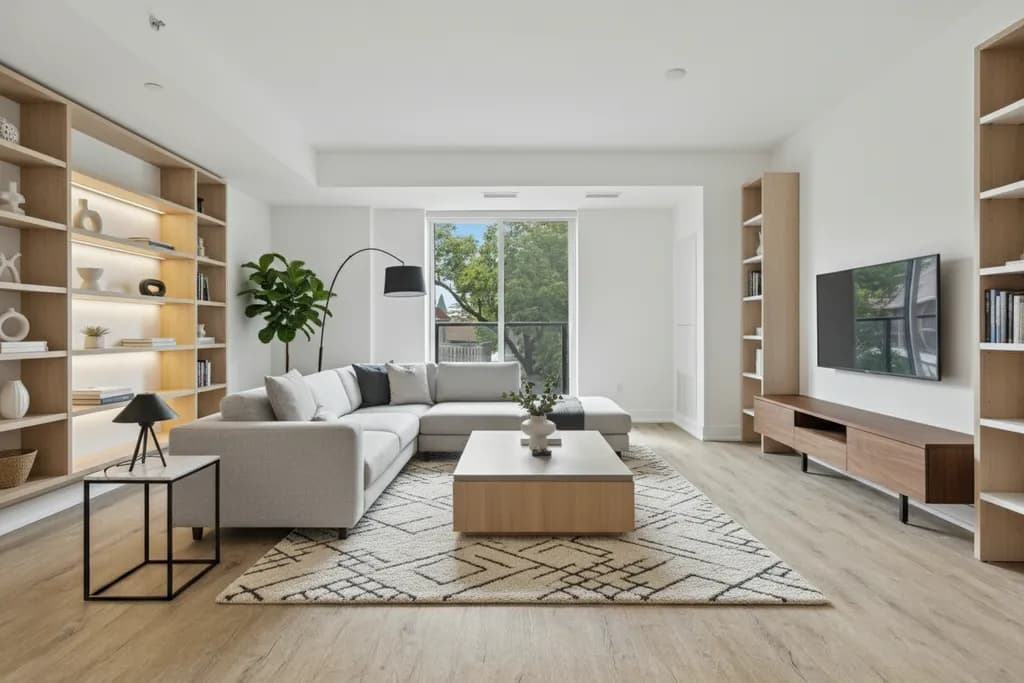
More: Traditional interior design, home office ideas, AI interior design and interior color palette generator.
Last updated 2026-10-09
Try Traditional on your home office
Snap it, pick a style, see it redesigned in about 30 seconds.
Free to try · 3-day free trial on annual · Cancel anytime
