
Vintage · Patio
Vintage Patio ideas
A Vintage patio pairs walnut and teak wood furniture with a warm cream (#EFE6D5) base. Start with mid-century walnut sideboard, keep olive (#7A7B52) to accents under 10% of the room, and let velvet and chenille upholstery add texture. Preview it on your own patio photo in RivAI first.
Free to try · 3-day free trial on annual · Cancel anytime

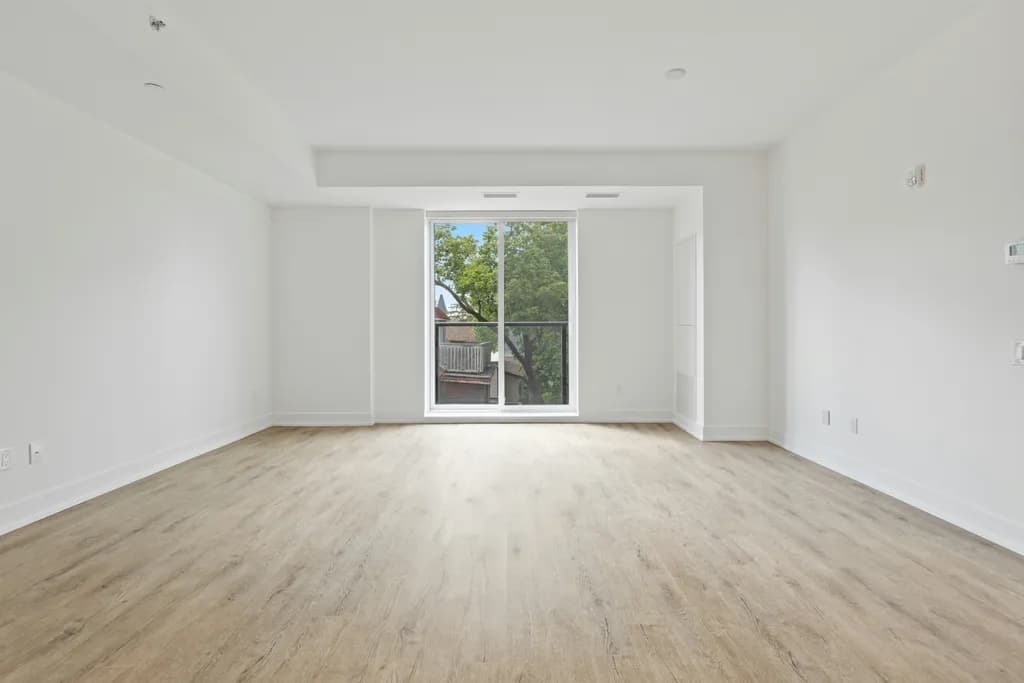
The Vintage palette for a patio
Try this Vintage palette on your own patio: Try Vintage in RivAI
How to get the look, step by step
- 1Photograph your patio in daylight with the widest view you can frame — the RivAI app needs the whole space to work with.
- 2Set the base: Warm Cream (#EFE6D5) for walls to let pieces breathe.
- 3Cover at least one zone with shade: a pergola, a 3-meter umbrella or a shade sail.
- 4Bring in walnut and teak wood furniture and velvet and chenille upholstery — the two signature materials of Vintage design.
- 5Add one statement piece: mid-century walnut sideboard.
- 6Finish with olive (#7A7B52) accents in textiles or decor, keeping them under 10% of the visual field.
Key materials
- Walnut and teak wood furniture
- Velvet and chenille upholstery
- Aged brass and copper accents
- Original art deco glass and mirrors
- Patterned wool rugs with wear
Furniture to look for
- Mid-century walnut sideboard
- Art deco mirror or vanity
- Velvet armchair in a faded jewel tone
- Brass arc or pharmacy floor lamp
- Vintage Persian or patterned wool rug
Mistakes to avoid
- Skipping the drainage slope so water pools against the house foundation after every rain.
- Buying furniture too small for the space, making a large patio feel like a waiting room.
- Planning no shade, so the patio is unusable from noon to four in summer.
Budget tips
- Gravel or concrete paver patios are the cheapest to DIY and cost far less in materials than natural stone.
- Buy used metal or wood outdoor furniture and refinish it; frames outlast cushions by decades.
- String lights are the cheapest atmosphere upgrade - one 15-meter strand defines a whole zone.
FAQ
Does Vintage work in a patio?
Yes, with adaptation. Vintage is not the most common choice for a patio, but its palette — led by Warm Cream (#EFE6D5) — and materials like walnut and teak wood furniture can work well if you keep the layout practical and use the style mainly in finishes and decor.
What colors should I use for a Vintage patio?
The core palette is Warm Cream #EFE6D5, Walnut #6B4A33, Dusty Rose #C4958E, Olive #7A7B52, Aged Brass #B08D4A. Use Warm Cream as the dominant color, Walnut for secondary surfaces, and keep Olive for accents only.
Can I see my own patio in Vintage style before committing?
Yes. Take a photo of your patio in the RivAI iPhone app, choose the Vintage style, and you get a photorealistic preview in about 30 seconds on the Standard tier. RivAI is free to try, so you can compare Vintage with a few other styles before you buy paint or furniture.
What is the difference between vintage and retro style?
Vintage uses authentic older pieces with real patina, in muted, aged tones. Retro deliberately revives the bold side of the 60s, 70s and 80s - saturated oranges, avocado green, pop patterns - and happily uses reproductions. Vintage is quiet and curated; retro is loud and playful.
Keep exploring
More: Vintage interior design, patio ideas, AI landscape design and interior color palette generator.
Last updated 2026-10-09
Try Vintage on your patio
Snap it, pick a style, see it redesigned in about 30 seconds.
Free to try · 3-day free trial on annual · Cancel anytime
