
Style guide
Vintage interior design: the style guide
Curated pieces from the 1920s to 60s, patina included
Vintage interior design is a style built from genuine furniture and decor made between the 1920s and 1960s, curated into a cohesive room. It values patina, craftsmanship, and original materials like walnut, brass, and velvet, mixing eras and pieces that show their age rather than hiding it.
Free to try · 3-day free trial on annual · Cancel anytime

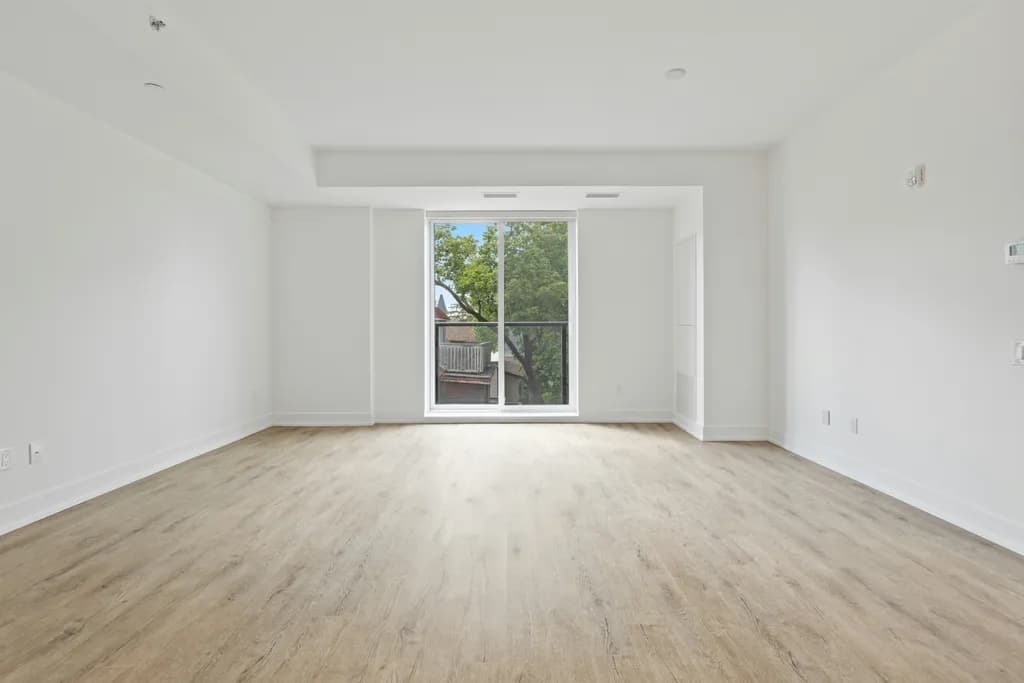
The Vintage palette
See this Vintage palette on a photo of your own room: Try Vintage in RivAI
Try these exact colors on your walls with the paint color visualizer, or generate variations in the free palette generator.
What defines Vintage design?
Vintage design is about furnishing with real pieces from the past - generally the 1920s through the 1960s - chosen for their craftsmanship and character. Unlike reproduction styles, a vintage room contains objects that have actually lived: an art deco dresser with worn brass pulls, a mid-century sideboard in honest walnut, a velvet armchair faded by real sunlight.
The skill is curation. Eras can mix, but the room needs an editor's eye: a palette of warm woods, muted tones and aged metals holds disparate pieces together, while negative space keeps it from reading as a thrift store. Each object should feel chosen, not accumulated.
Patina is the style's signature and its dividing line. Scratches, softened varnish and tarnished brass are features, not flaws - they give a room depth that new furniture cannot fake. Vintage suits people who like stories in their rooms more than shine on their surfaces.
Try Vintage on your own space with AI interior design, interior color palette generator and interior design style quiz.
Signature materials
- Walnut and teak wood furniture
- Velvet and chenille upholstery
- Aged brass and copper accents
- Original art deco glass and mirrors
- Patterned wool rugs with wear
- Vintage ceramics and stoneware
Furniture & decor
- Mid-century walnut sideboard
- Art deco mirror or vanity
- Velvet armchair in a faded jewel tone
- Brass arc or pharmacy floor lamp
- Vintage Persian or patterned wool rug
- Rotary-era bar cart or record cabinet
Mistakes to avoid
- Filling the room with every era at once until it reads as an antique shop instead of a home.
- Refinishing or painting old wood pieces, which destroys the patina that gives them value.
- Mixing vintage furniture with harsh modern LED lighting that flattens the warm, aged mood.
- Buying fake distressed reproductions instead of one genuine piece with real age.
- Skipping a unifying palette - without one, curated crosses into cluttered fast.
Vintage on a budget
- Shop estate sales and flea markets early; genuine vintage furniture often costs less than new fast furniture.
- Start with one anchor piece like a sideboard and build the room around it slowly.
- Clean and condition original wood instead of refinishing - patina is free character.
- Use vintage textiles like throws and cushions to add era flavor for very little money.
- Rewire thrifted brass lamps rather than buying new vintage-style lighting.
Vintage ideas by room
Vintage FAQ
What counts as vintage in interior design?
Vintage generally means genuine pieces that are roughly 40 to 100 years old - in practice, furniture and decor from the 1920s through the 1960s. Anything older is antique, anything newer is simply second-hand. Vintage style mixes these pieces into a curated, cohesive room.
What is the difference between vintage and retro style?
Vintage uses authentic older pieces with real patina, in muted, aged tones. Retro deliberately revives the bold side of the 60s, 70s and 80s - saturated oranges, avocado green, pop patterns - and happily uses reproductions. Vintage is quiet and curated; retro is loud and playful.
How do I keep a vintage room from looking like a thrift store?
Edit hard and unify the palette. Choose a few strong pieces, give them breathing room, and tie them together with consistent warm wood tones and two or three muted colors. Modern elements like plain walls and simple lighting help the vintage pieces read as intentional.
Can I preview a vintage redesign of my own room?
Yes. Take a photo of your room in the RivAI iPhone app and select Vintage from 43 styles to see aged wood, muted tones and collected mid-century pieces on your own space in about 30 seconds. RivAI is free to try, so you can preview the look before visiting flea markets.
Related styles
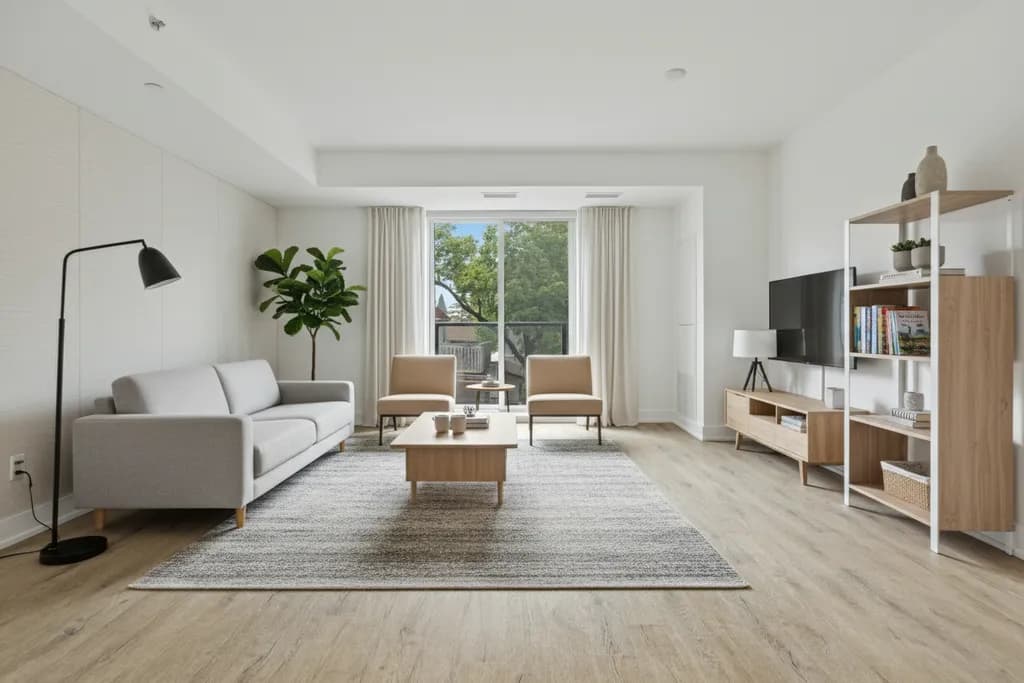
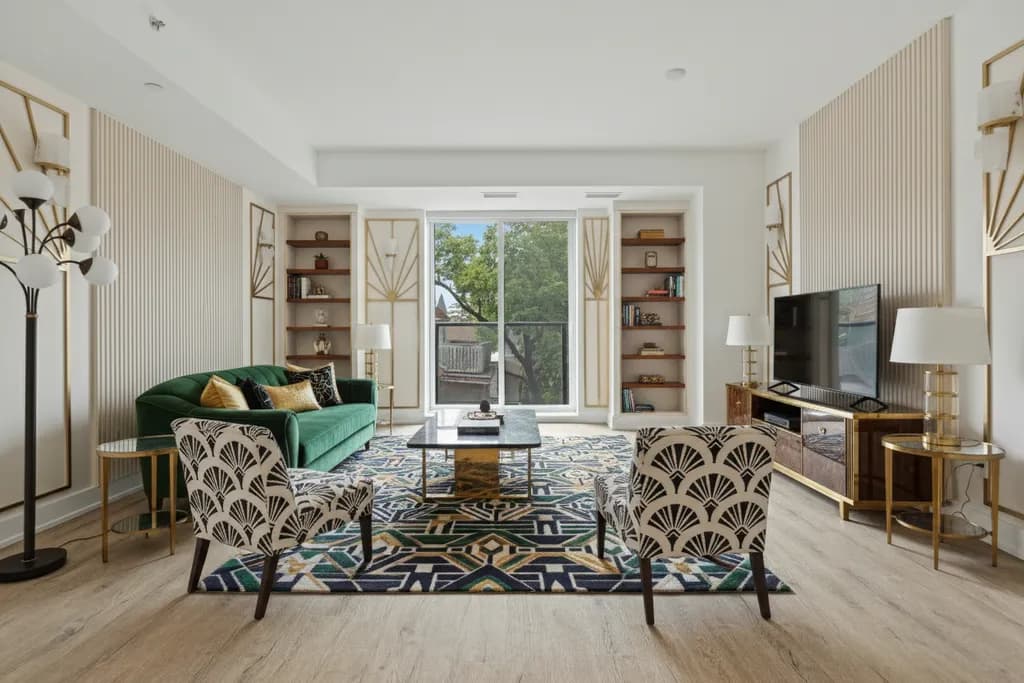
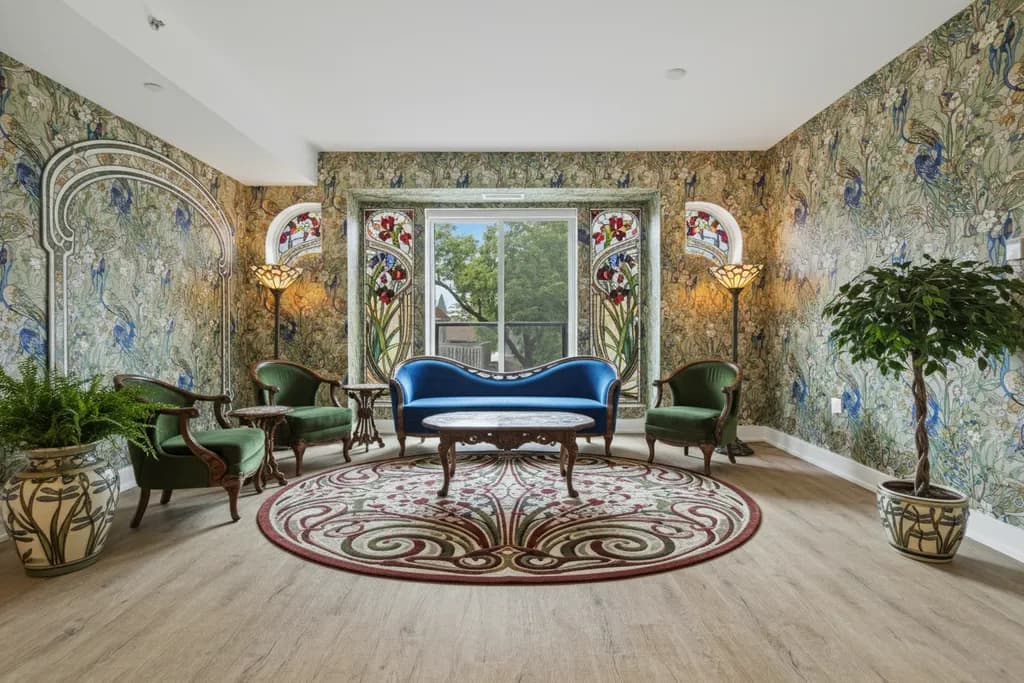
Last updated 2026-10-09
Redesign your room in Vintage
Snap it, pick a style, see it redesigned in about 30 seconds.
Free to try · 3-day free trial on annual · Cancel anytime
