RivAI

Outdoor design guide

Garden ideas: layout, color and style

Plant in layers, design in zones, grow for decades

A garden redesign starts with observation: track where sun falls for 6+ hours (vegetables) versus shade (hostas, ferns), then divide the space into zones and plant in layers - trees, shrubs, perennials, ground cover. Improve soil before planting. RivAI previews garden styles on a photo of yours in about 30 seconds, free to try.

Download on theApp Store

Free to try · 3-day free trial on annual · Cancel anytime

4.88★ (16 ratings) on the App Store
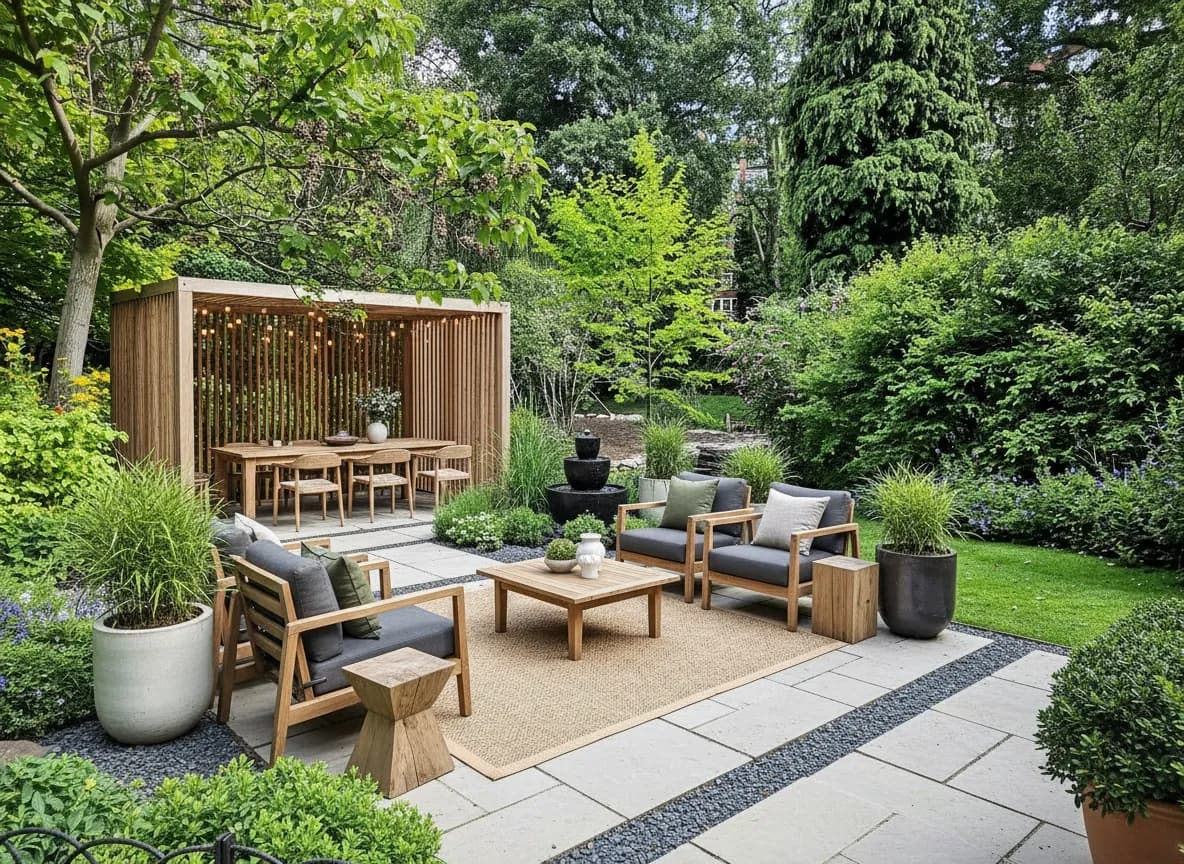
Sample garden redesign made with the AI models behind RivAI, after
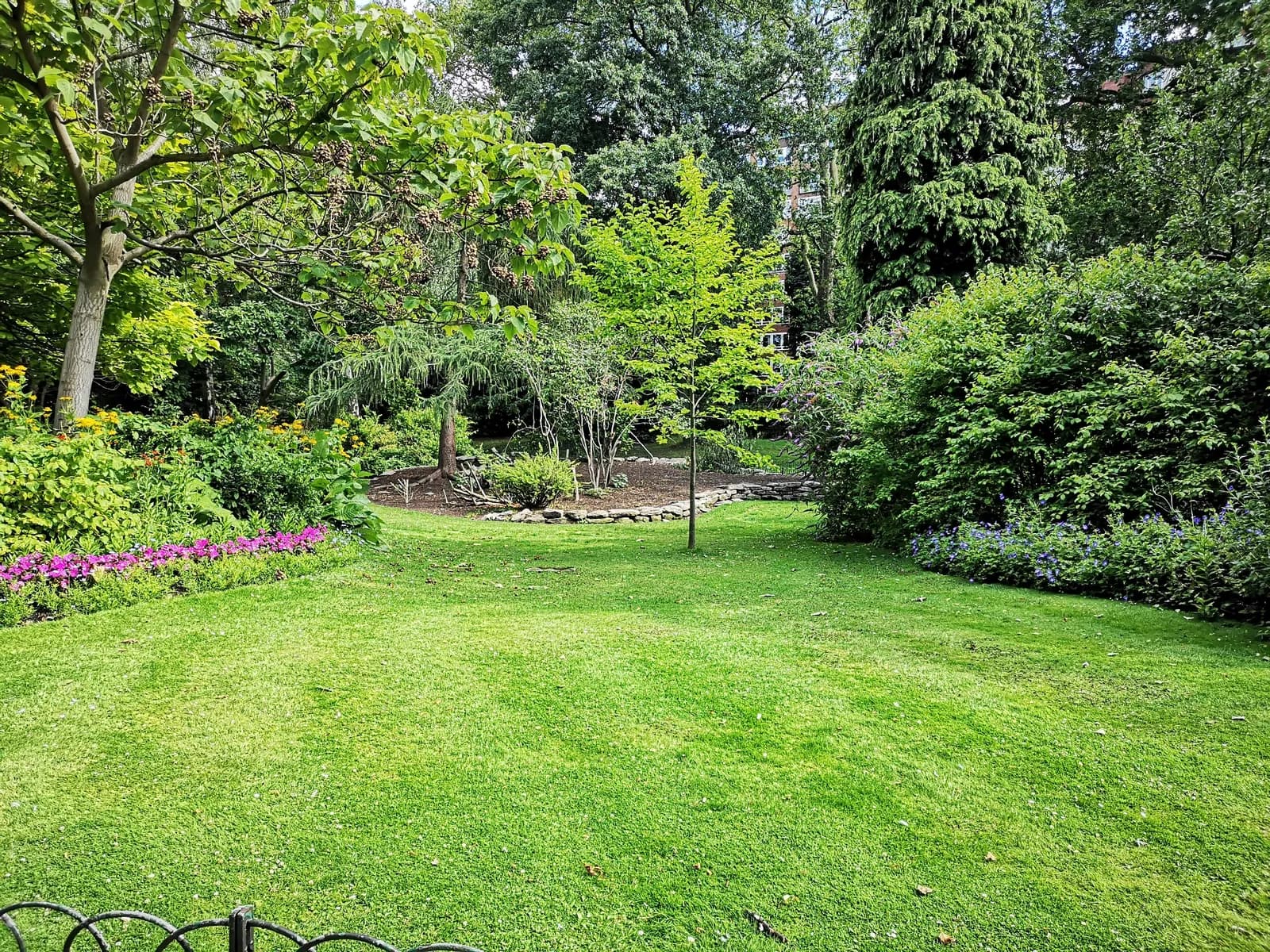
Sample garden redesign made with the AI models behind RivAI, before
BeforeAfterSample · Garden

Designing a great garden

Great gardens are designed in layers, like landscapes: a canopy of small trees, an understory of shrubs, a mid-layer of perennials and grasses, and ground cover knitting it together. Layering is what separates a garden that looks composed in every season from a flat bed of flowers that peaks for two weeks and then looks tired.

The two disciplines that decide success are sun mapping and soil. Track light across a full day before placing anything - sun-lovers need six hours minimum - and invest in compost before plants, because soil feeds for decades while fertilizer feeds for weeks. Right plant, right place is the oldest rule in gardening because breaking it is expensive.
Design priorities

  1. 1Map sun across a full day before planting: 6+ hours for vegetables and most flowers, under 3 for shade plants.
  2. 2Plant in four layers - canopy tree, shrubs, perennials and grasses, ground cover - for depth in every season.
  3. 3Divide the garden into zones with different moods: dining terrace, quiet bench corner, productive beds.
  4. 4Dig 5-8 cm of compost into beds before planting; soil improvement pays back for decades.
  5. 5Repeat plants in drifts of three, five or seven rather than dotting singles - repetition reads as design.
  6. 6Plan for all four seasons: spring bulbs, summer perennials, autumn grasses and winter structure from evergreens.
  7. 7Keep paths 90 cm wide minimum and bed depth under 1.2 meters so you can reach the center without stepping in.

Common mistakes

  • Planting for the size at purchase, not maturity - shrubs that reach 2 meters do not belong 50 cm apart.
  • Ignoring sun aspect and forcing shade plants into full sun, where they scorch and sulk.
  • Skipping soil preparation, so plants struggle in compacted or sandy ground no matter how much you water.
  • Overwatering established plants, which rots more roots than drought ever kills.
  • Designing only for May and June, leaving the garden bare and brown for the other ten months.
  • Scattering single plants of many species instead of repeating drifts - the bed reads as chaos, not composition.

Budget tips

  • Start perennials from seed or division - a seed packet costs a fraction of the same plants in nursery pots.
  • Divide hostas, daylilies and ornamental grasses every spring and replant the splits for free.
  • Buy small - 1-liter pots establish faster than large specimens and cost a third as much.
  • Make your own compost from kitchen scraps and leaves; it replaces bought soil improver entirely.
  • Mulch beds 5-7 cm deep with free arborist wood chips to cut down weeding and watering.

Garden ideas by style

Then preview your garden with AI landscape design, AI exterior design, interior color palette generator and free AI landscape design.

Garden FAQ

How do I start a garden from scratch?

Track sun for a week, then improve the soil with 5-8 cm of compost dug into each bed. Start with three to five reliable perennials planted in groups, mulch deeply, and add layers each year rather than planting everything at once.

What are the best low-maintenance garden plants?

Reliable performers include lavender, sedum, ornamental grasses, hostas for shade, and hardy geraniums. Natives suited to your climate outlast exotics because they evolved for your rainfall and soil - ask a local nursery for the top five.

How much sun does a garden need?

Vegetables and most flowering perennials need at least 6 hours of direct sun. Part-shade plants manage on 3-6 hours, and true shade plants like ferns and hostas thrive under 3 - but no garden plant grows in permanent darkness.

Can I preview garden redesigns on a photo of my yard?

Yes. Pick the Garden tool in RivAI, photograph your yard, and see layered beds, paths and planting in styles such as Japanese, Mediterranean or Biophilic in about 30 seconds on Standard. RivAI is free to try, so you can test a planting plan before buying a single pot.

Last updated 2026-10-09

4.88★ (16 ratings) on the App Store

Your new garden is one photo away

Snap it, pick a style, see it redesigned in about 30 seconds.

Download on theApp Store

Free to try · 3-day free trial on annual · Cancel anytime

RivAI: AI Home Design

4.88 (16 ratings) · Free to try

Get app