
Guide
Exterior home makeover: ideas and previews
By RivAI Team at PixelPort LLC · Published · How we write guides
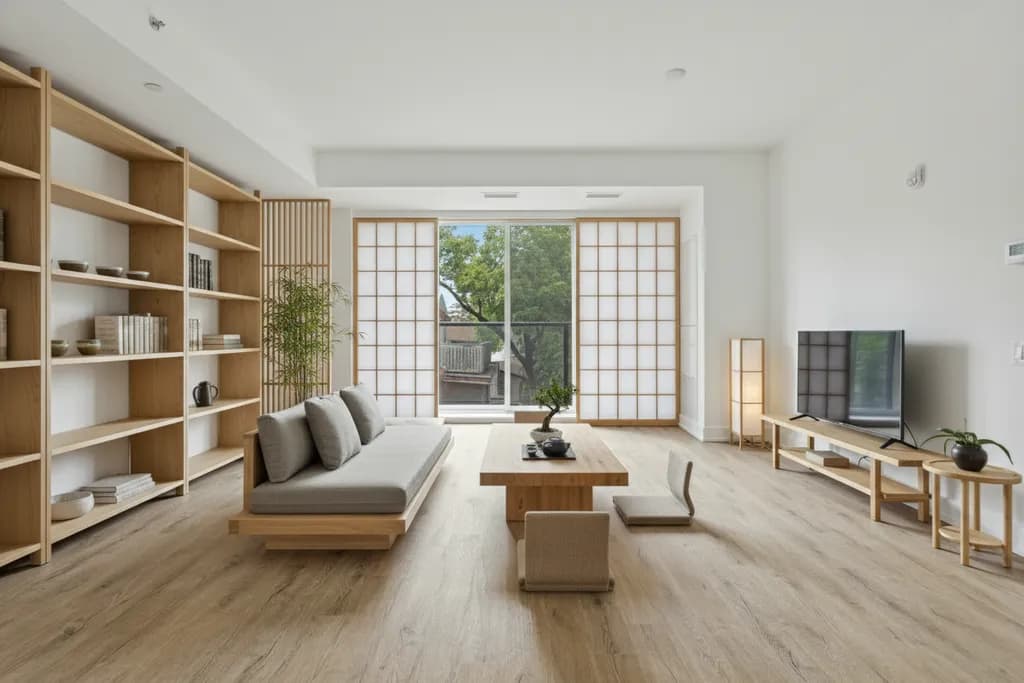
The short answerA successful exterior makeover fixes the fundamentals first: a clean roofline, a coordinated three-color palette, a front door that acts as a focal point, and tidy hardscape. AI tools like RivAI let you preview facade materials, paint colors and landscaping on a photo of your actual house in about 30 seconds before you spend anything.
What actually creates curb appeal?
Curb appeal is not decoration; it is the impression that a house is well maintained and coherently designed. Exterior condition is the first thing a visitor or buyer sees, and the fundamentals cost far less than most renovations. Before thinking about materials or colors, walk across the street and photograph your house. The photo is brutally honest: it shows the sagging gutter, the mismatched fence and the overgrown bed you stopped noticing years ago.
- Clean rooflines: moss removal, straight gutters and intact ridge tiles read as cared for from 50 meters away.
- A clear focal point: the front door should be findable in one second, helped by color, lighting and a direct path.
- A coordinated palette: one field color for the facade, one trim color, one accent for the door and shutters. Three colors, rarely four.
- Symmetry or deliberate asymmetry: balanced plantings and paired lights flatter formal houses; modern facades can break symmetry if the composition is intentional.
- Tidy edges: crisp lawn edges, weed-free joints in the driveway and mulched beds signal maintenance more than any single upgrade.
The entry deserves its own minute of attention because every visitor and every buyer photo ends there. A door in a confident accent color, a working doorbell, house numbers in a consistent style, a clean doormat and two matched planters are among the cheapest upgrades on the house and photograph disproportionately well. If the porch light is dated or broken, replace it; a tired fixture drags down an otherwise tidy entry.
Which facade materials are worth the money?
Re-cladding a facade is the biggest-ticket item in most exterior makeovers, so choose on lifecycle cost, not sticker price. The table compares the common options in relative terms; get at least two local quotes before deciding, because labor and material prices vary widely by region.
| Material | Relative upfront cost | Durability | Watch out for |
|---|---|---|---|
| Vinyl siding | Lowest | Good | Can look flat on period homes; cheap panels warp in heat. |
| Fiber cement | Moderate | Very good | Heavy and labor-intensive; needs periodic repainting. |
| Engineered wood | Moderate | Good | Must be installed with exact clearances or moisture damage follows. |
| Stucco | Moderate | Very good in dry climates | Cracks with foundation movement; poor fit for very wet, freezing climates. |
| Brick veneer | High | Excellent | High upfront cost; mortar repointing needed after decades. |
| Manufactured stone veneer | Highest | Very good if installed well | Water management behind it is critical; bad installs rot the wall. |
Two strategies stretch a facade budget. First, re-clad only the street-facing elevation and paint or repair the sides and rear. Second, mix materials deliberately: stone or brick on the ground floor with a cheaper siding above looks intentional and costs noticeably less than cladding the whole house in stone. AI previews are genuinely useful here because two-material facades live or die on the proportion and the break line, which you can test on a photo in about 30 seconds per render.
How do you coordinate roof, windows and door colors?
The roof is the largest fixed color element on most houses and the hardest to change, so it dictates the palette. Warm brown or red roofs pair with cream, warm white and earth-tone walls. Cool gray or black roofs pair with crisp whites, cool grays and blue-greens. Fight the roof undertone and the whole facade looks slightly wrong without anyone knowing why.
- Use the 60-30-10 split: roughly 60 percent field color on walls, 30 percent secondary color on trim and roof, 10 percent accent on the door and shutters.
- Window frames are part of the palette: white frames suit almost everything, black frames push modern, bronze and green demand a restrained wall color.
- Front door accents that reliably work: navy #2E3A56, deep green #3A4A3F, oxblood #5C2E2E, charcoal #33383D, and classic black.
- Test saturated colors in the app before buying paint: RivAI's Paint tool recolors siding, trim or doors with an exact hex code, so you can compare #2E3A56 against alternatives before buying a sample. Screens and daylight shift color, so confirm with a real sample on the wall.
- Match the garage door to the trim or field color, not the accent color, because a large accent surface overwhelms the composition.
What about the driveway and front yard?
The driveway and front path occupy a surprising share of what visitors see from the street. Gravel is usually the cheapest surface, asphalt sits in the middle, and poured concrete and pavers cost the most; local quotes vary widely. If replacement is not in the budget, cleaning, crack repair and a defined edge, whether steel, brick or a planted border, recover much of the visual benefit for a small fraction of the cost.
For the front yard itself, the rules from garden design apply at smaller scale: a path at least 120 cm wide so two people can walk side by side, foundation planting that stays below window sill height, and one specimen tree for vertical interest. Lighting earns its keep twice: low path lights and a warm fixture by the door improve both safety and the evening impression of the house.
How do you preview an exterior makeover with AI?
Exterior changes are expensive and slow to reverse, which makes previewing them unusually valuable. In RivAI, photograph your house from across the street in good light, choose the exterior redesign tool, and pick from 43 styles. The render arrives in about 30 seconds. Keep Structure mode changes surfaces and colors while preserving your roofline, windows and layout, which is the honest test of a repaint or re-clad. Full Renovation explores bigger moves like new cladding proportions, entry configurations and landscaping schemes.
- Photograph straight-on and from both corners; three angles catch proportion problems a single view hides.
- Test the paint palette first: repaint is the cheapest real change and the fastest to preview with exact hex colors.
- Test one material change at a time so you learn what each move is worth visually.
- Use the before and after slider to check that the render respects fixed elements like the roof, chimney and window positions.
- RivAI is free to try, so you can run a first palette comparison before deciding whether Pro is worth it.
What order should you tackle the work in?
Sequence an exterior makeover from top to bottom and from structure to decoration: roof and gutters first, then cladding and paint, then windows and doors, then driveway and paths, and landscaping last. This order prevents new work from being damaged by later trades and matches how costs fall, because the expensive items at the top of the list protect everything below them. A refresh of paint, door, lighting, path repairs and planting usually costs a fraction of re-cladding the whole house, which is why it is the right first step for most homes.
What should you watch out for?
Four traps catch most exterior projects. First, rules: homeowners associations and local regulations can restrict colors, cladding and fence heights, so check before you fall in love with a render. Second, climate: stucco in freeze-thaw regions and dark paint on sun-beaten south walls both fail early. Third, neighborhood ceiling: spending far beyond comparable houses rarely returns at resale. Fourth, AI renders are idealized: they show perfect weather, mature planting and clean surfaces, so treat them as direction, not as a contractor quote.
Put this guide to work: AI exterior design, paint color visualizer, AI landscape design, virtually paint your house exterior and exterior house colors.
Related
FAQ
What exterior upgrade adds the most value?
Consistently, the boring fundamentals: a new or refinished front door, fresh paint in a coordinated palette, and tidy landscaping with crisp edges. They cost far less than structural work and change the entire first impression. Full re-cladding adds value mainly when the existing facade is visibly failing.
Can AI show my house with different siding or paint colors?
Yes. RivAI's exterior tool redesigns a photo of your actual house in about 30 seconds on Standard, and the Paint tool recolors siding, trim or doors with an exact hex color. Keep Structure mode keeps your roofline and window positions intact, so the comparison is honest.
How many colors should a house exterior have?
Three is the reliable maximum: a field color for the walls, a trim color for fascia, frames and garage, and one accent for the front door. Period homes with existing brick or stone count that material as one of the three.
Is it cheaper to paint brick or replace siding?
Painting existing brick or siding costs a small fraction of re-cladding and lasts many years with proper prep. Replace cladding only when it is structurally failing, when insulation upgrades justify it, or when the material is fundamentally wrong for the climate.
Do I need a permit for an exterior makeover?
Paint and landscaping rarely need permits. Re-cladding, structural changes to the entry, new windows, driveway widening and fence height changes often do, and HOA approval is separate from municipal permits. Check both before booking contractors.
Last updated 2026-10-09
Try it on your own room
Snap it, pick a style, see it redesigned in about 30 seconds.
Free to try · 3-day free trial on annual · Cancel anytime
