
Japanese · Garage
Japanese Garage ideas
A Japanese garage pairs cedar, cypress and bamboo wood with a rice cream (#EFE6D5) base. Start with low platform bed or futon, keep indigo blue (#2E3A59) to accents under 10% of the room, and let rice-paper shoji screens add texture. Preview it on your own garage photo in RivAI first.
Free to try · 3-day free trial on annual · Cancel anytime
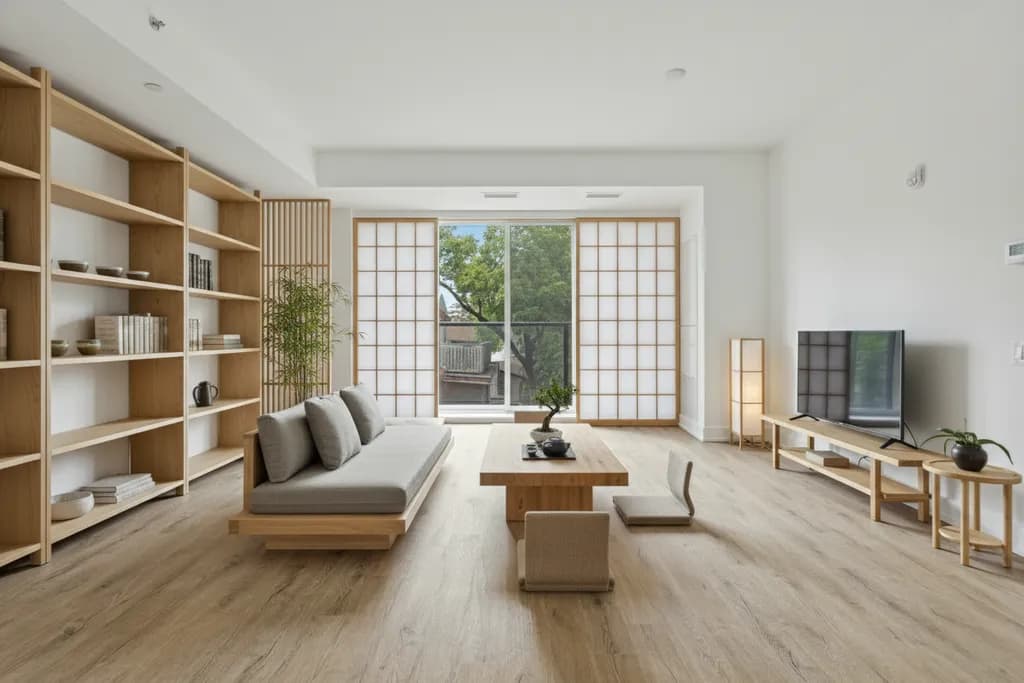
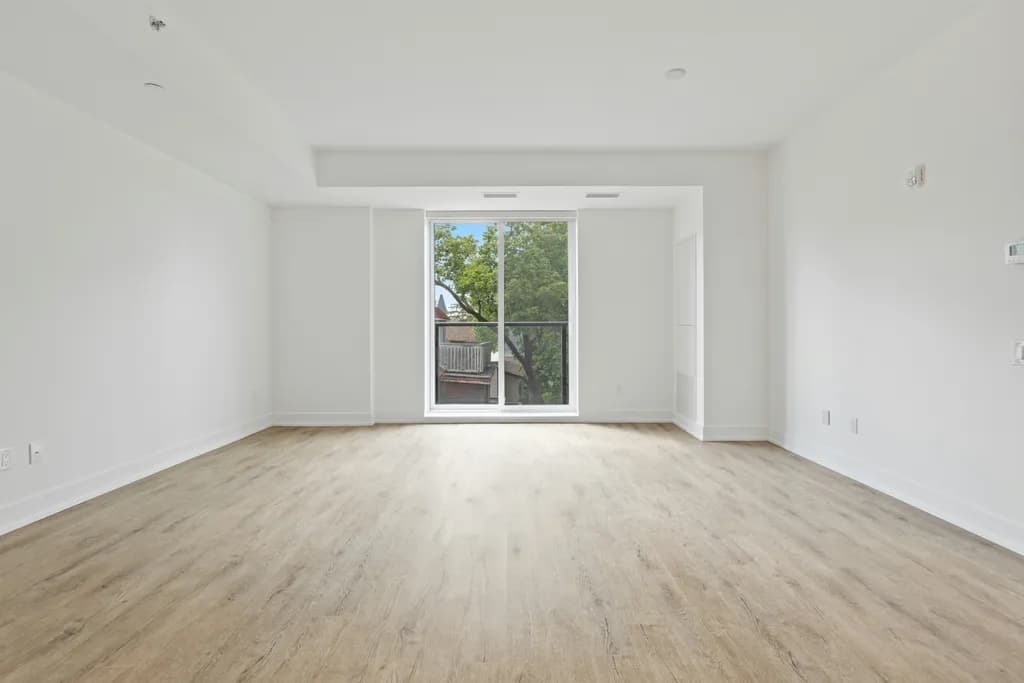
The Japanese palette for a garage
Try this Japanese palette on your own garage: Try Japanese in RivAI
How to get the look, step by step
- 1Photograph your garage in daylight with the widest view you can frame — the RivAI app needs the whole space to work with.
- 2Set the base: Rice Cream (#EFE6D5) for walls and shoji screens.
- 3Define zones first: car, long-term storage, daily-use items and workbench each get their own wall or bay.
- 4Bring in cedar, cypress and bamboo wood and rice-paper shoji screens — the two signature materials of Japanese design.
- 5Add one statement piece: low platform bed or futon.
- 6Finish with indigo blue (#2E3A59) accents in textiles or decor, keeping them under 10% of the visual field.
Key materials
- Cedar, cypress and bamboo wood
- Rice-paper shoji screens
- Tatami straw matting
- Handmade ceramic and stoneware
- Indigo-dyed cotton and linen
Furniture to look for
- Low platform bed or futon
- Low wooden table with floor cushions
- Shoji room divider or sliding screen
- Tokonoma-style alcove with one artwork
- Tansu chest for storage
Mistakes to avoid
- Storing everything on the floor, which shrinks the usable room and hides what you own.
- Buying storage bins before decluttering, so you organize items you should have donated.
- Leaving the single bare bulb, so half the room stays too dark to work in.
Budget tips
- Declutter first - most garages hold far more than anyone uses, and selling the extras helps fund the shelving.
- Pegboard is the cheapest wall storage that exists and takes an afternoon to install.
- Buy second-hand metal cabinets and workbenches; garage furniture does not need to be pretty or new.
FAQ
Does Japanese work in a garage?
Yes, with adaptation. Japanese is not the most common choice for a garage, but its palette — led by Rice Cream (#EFE6D5) — and materials like cedar, cypress and bamboo wood can work well if you keep the layout practical and use the style mainly in finishes and decor.
What colors should I use for a Japanese garage?
The core palette is Rice Cream #EFE6D5, Cedar Wood #A97748, Charcoal Ink #33342F, Indigo Blue #2E3A59, Tatami Straw #C7B88A. Use Rice Cream as the dominant color, Cedar Wood for secondary surfaces, and keep Indigo Blue for accents only.
Can I see my own garage in Japanese style before committing?
Yes. Take a photo of your garage in the RivAI iPhone app, choose the Japanese style, and you get a photorealistic preview in about 30 seconds on the Standard tier. RivAI is free to try, so you can compare Japanese with a few other styles before you buy paint or furniture.
What is wabi-sabi in interior design?
Wabi-sabi is the Japanese aesthetic of finding beauty in imperfection, age and natural irregularity. In practice it means handmade ceramics with uneven glaze, wood with visible grain, linen that wrinkles, and rooms that feel calm and lived-in rather than polished and new.
Keep exploring
More: Japanese interior design, garage ideas, AI interior design and interior color palette generator.
Last updated 2026-10-09


Try Japanese on your garage
Snap it, pick a style, see it redesigned in about 30 seconds.
Free to try · 3-day free trial on annual · Cancel anytime
