
Best flooring for a kitchen: 7 options compared by cost and wear
By RivAI Team · · 12 min read
The short answer
For most kitchens, luxury vinyl plank (LVP) is the best all-round flooring: it shrugs off spills, feels softer underfoot than tile, clicks together as a DIY job and costs less than wood. Porcelain or ceramic tile handles water and heat best but is hard and cold. Choose engineered wood when real wood must continue from the living room.
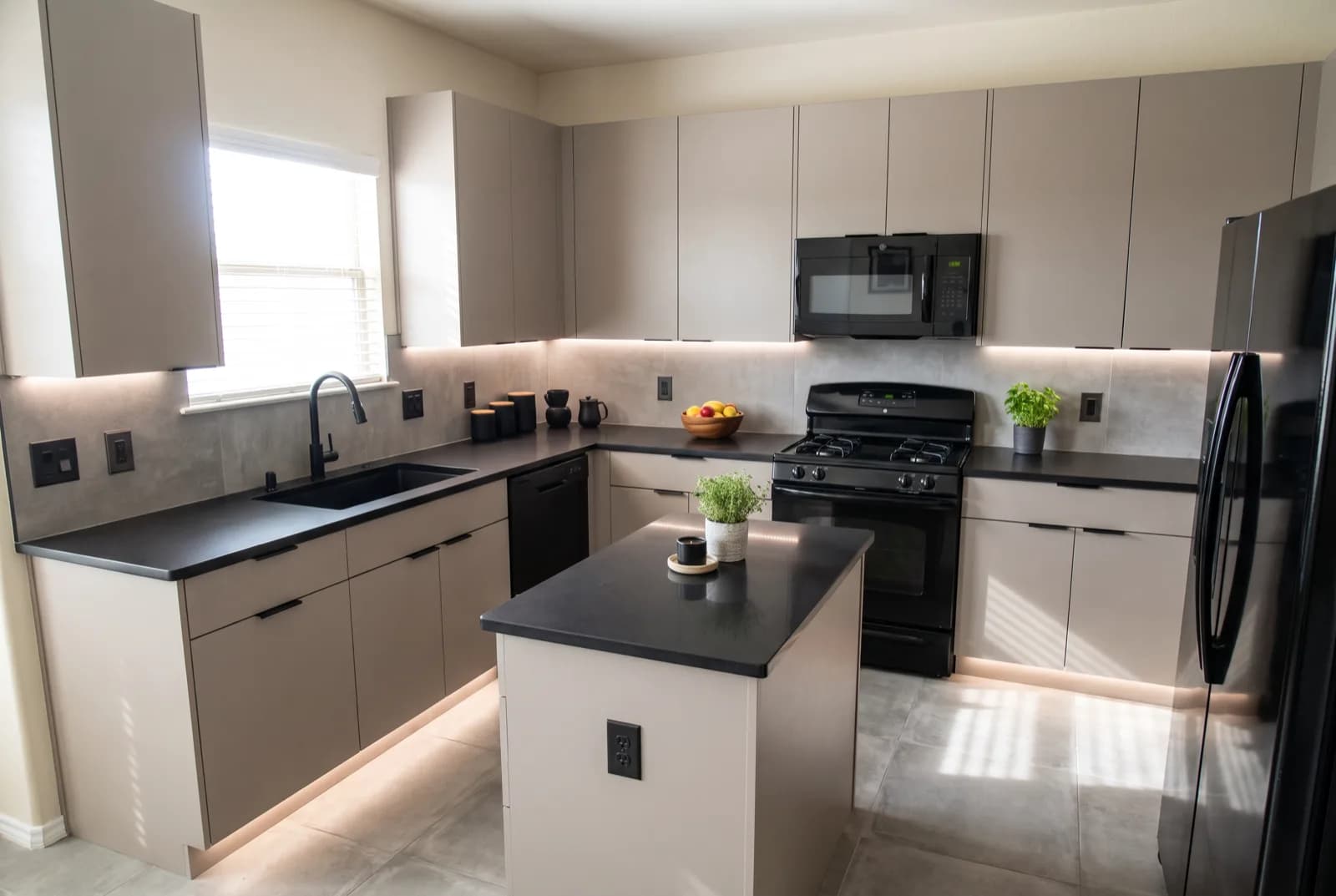
What's the best flooring for a kitchen?
Luxury vinyl plank (LVP) is the best flooring for most kitchens. It handles spills and dropped spoons without drama, it's warmer and softer underfoot than tile, most of it clicks together as a weekend DIY job, and HomeAdvisor puts it at $3-$10 per sq ft installed. Porcelain or ceramic tile is the toughest choice against water and heat, but it's hard on feet and unforgiving to dropped glasses. Engineered wood wins when the kitchen opens onto a wood-floored living room.
Solid hardwood looks best and can be sanded many times, yet it dislikes standing water. Laminate gives you a cheaper wood look whose water tolerance varies a lot by product. Sheet vinyl is the budget, near-waterproof option, and cork is the softest of all. Which one suits your kitchen comes down to seven things: water, dropped pans, comfort, cleaning, cost, DIY-ability and how buyers will see it later.
What should you look for in kitchen flooring?
Score every option on the same seven criteria. Most kitchens fail on one or two of them, so decide which ones you can't compromise on before you visit a showroom.
- Water. Kitchens suffer slow drips from the dishwasher, sink and fridge line far more often than floods, so seams and edges matter as much as the surface.
- Dropped pans and glasses: tile shatters dropped glasses and a heavy pan can chip or crack it, while vinyl and wood dent instead. Pick the failure you'd rather live with.
- Comfort underfoot, if you cook for an hour a day. Floors with some give (vinyl, cork, wood) are kinder to feet and backs than tile.
- Cleaning. Fewer seams and grout lines mean less grime; deep hand-scraped texture holds crumbs.
- Installed cost per square foot, plus the extras quotes tend to leave out: removing the old floor, leveling the subfloor and pulling appliances.
- DIY-ability. Click-lock vinyl, laminate and floating engineered wood are realistic for a careful beginner. Tile and nail-down hardwood mostly aren't.
- Resale perception: how a future buyer reads the floor, which favors real wood and tile (more on that below).
How do kitchen flooring options compare on cost and lifespan?
Here's how the six main options stack up. Costs are installed prices per square foot from the source linked in each cell, and lifespans appear only where a source gives one. Cork gets its own note below because we couldn't find a cost figure we'd trust.
| Floor | Installed cost per sq ft | Lifespan | Water | Comfort | DIY? |
|---|---|---|---|---|---|
| LVP | $3-$10 (HomeAdvisor) | Up to 25 years (This Old House) | Very good; water can still creep in at edges | Medium, warmer than tile | Yes, click-lock |
| Sheet vinyl | $1-$2, labor not specified (HomeAdvisor) | 10-25 years for vinyl (HomeAdvisor) | Excellent, few or no seams | Medium | Small rooms only; big sheets are fiddly |
| Porcelain or ceramic tile | $11-$39 for ceramic (This Old House) | Not stated in our sources | Excellent surface; seal cement grout | Hard and cold | Hard; a pro job for most |
| Solid hardwood | $10-$25 (HomeAdvisor) | 30-100 years (HomeAdvisor) | Poor with standing water | Warm, slight give | Rarely; usually nailed by a pro |
| Engineered wood | $5-$20 (HomeAdvisor) | 20-30 years (HomeAdvisor) | Fair; steadier than solid wood | Warm | Often, if it's a floating click floor |
| Laminate | $3-$13 (HomeAdvisor) | Not stated in our sources | Fair to good; depends on the product | Medium, can sound hollow | Yes, click-lock |
Treat these as national ballpark ranges, not quotes. Sources disagree: This Old House puts vinyl at $7-$22 per sq ft, well above HomeAdvisor's range, and HomeAdvisor's vinyl page doesn't say whether its sheet vinyl figure includes labor. HomeAdvisor's pages were updated in June 2026.
For a 150 sq ft (14 m²) kitchen, that works out to about $450-$1,500 for LVP at HomeAdvisor's $3-$10 range, $1,500-$3,750 for solid hardwood at its $10-$25 range, and $1,650-$5,850 for ceramic tile at This Old House's $11-$39 range. That's our arithmetic, so get local quotes before you budget.
What are the pros and cons of each kitchen flooring option?
Luxury vinyl plank (LVP)
LVP is a vinyl plank with a printed wood or stone image under a clear wear layer, and that layer takes the abuse. This Old House recommends at least a 20 mil wear layer for high-traffic areas and says luxury vinyl lasts up to 25 years. Rigid-core click planks handle everyday spills well, though water left sitting at the edges can still reach the subfloor.
A heavy fridge or a dragged chair can dent it, it can't be sanded or refinished, and cheap planks with shallow texture look like plastic in low sun. If indoor air worries you, look for FloorScore or ASSURE Certified on the box. This Old House explains both: FloorScore covers VOC emissions, and ASSURE also screens for ortho-phthalates and heavy metals.
Sheet vinyl
Sheet vinyl comes off a wide roll, so a small kitchen can go down in one piece with few or no seams. That makes it the most water-tolerant floor here and the cheapest: HomeAdvisor lists $1-$2 per sq ft, without saying whether labor is included.
Looks and toughness are the trade-off. Up close it reads as vinyl, a fridge dragged across it can tear it, and a damaged patch is hard to repair invisibly. Big sheets are awkward to cut and fit around cabinets, so most people hire a fitter.
Porcelain and ceramic tile
Porcelain is the denser, less absorbent kind of ceramic, and both shrug off water, heat and stains. This Old House puts ceramic tile at $11-$39 per sq ft installed, the highest range on this list. Large-format matte tiles mean fewer grout lines to scrub and less glare from under-cabinet lights.
Tile is hard and cold, a dropped glass rarely survives, and a cast-iron pan can crack a tile. Cement grout needs sealing and still darkens near the stove. Keep a few spare tiles from the same batch for repairs, and consider radiant heat if cold feet are a deal-breaker. Layout, leveling and cutting take practice, so this is rarely a first DIY project.
Solid hardwood
Solid hardwood is the one floor that gets better with repairs. HomeAdvisor gives $10-$25 per sq ft installed, a 30-100 year lifespan and a refinish every 7-10 years at $3-$8 per sq ft. Hardwood Floors magazine, an NWFA publication, says most solid floors can be sanded 6-8 times, with each pass removing 1/32-1/16 in.
Water is its weak spot. A slow leak under the dishwasher can cup boards before you notice, and the finish wears first in front of the sink. Seal it well, put a mat at the sink and wipe spills quickly. Wide, knotty oak boards with a matte finish are the classic base for a rustic kitchen, and installation is mostly a pro job.
Engineered wood
Engineered wood is a real hardwood top layer bonded to a plywood or composite base. HomeAdvisor lists $5-$20 per sq ft and a 20-30 year lifespan. The layered base moves less with humidity than solid boards, and many versions click together as a floating floor, which suits concrete slabs and DIY.
How often you can refinish depends on the top layer. Hardwood Floors magazine notes engineered wear layers range from 1/16 to 1/4 in and advises against sanding one thinner than 3/32 in (2.38 mm), so thin-veneer boards may never be sanded at all. Ask for the wear layer thickness before comparing prices.
Laminate
Laminate is a photo layer over a dense fiberboard core, sealed under a hard melamine surface. It resists scratches better than most vinyl and costs $3-$13 per sq ft installed per HomeAdvisor.
Because the core is wood fiber, standing water at a seam can swell it for good. Newer water-resistant lines do much better, so read the warranty for what it covers in a kitchen. Without a decent underlayment it sounds hollow and clicky, and a chipped board has to be swapped out because nothing can refinish it.
Cork
Cork is the softest, warmest and quietest floor on this list, a real comfort pick if you stand at the counter for hours. It needs a good protective finish, dents under furniture legs, can fade in strong sun and shows pet claws. We couldn't find a cost range we'd trust, so get local quotes.
Which kitchen flooring should you pick?
A family with pets and kids
Pick LVP with a thick wear layer; This Old House recommends at least 20 mil for high-traffic areas. A matte, textured surface hides claw marks and gives paws more grip than gloss. Mid-tone oak or greige hides crumbs and fur better than very light or very dark planks. Put a washable mat under the water bowl, since that slow drip is the leak nobody notices.
A rental
Go cheap, tough and replaceable. Sheet vinyl costs $1-$2 per sq ft per HomeAdvisor and leaves almost no seams for tenant spills to find. Budget LVP costs more but lets you swap one gouged plank between tenants, so keep a labeled spare box on site. If the rest of the kitchen needs a low-cost refresh too, see the modern farmhouse kitchen on a budget plan.
A home you plan to sell
Choose porcelain tile or engineered wood over LVP if the budget stretches (see "Do high-end homes use LVP?" below). Neutral large-format tile in warm gray or mid-tone oak suits most modern kitchen ideas and won't date the room the way a bold pattern can.
An open-plan kitchen that continues from the living room
Run one floor through both spaces. A material change at the kitchen edge splits an open plan in two and adds a transition strip to trip over. If the living room already has wood, continue with engineered wood in a matching species and finish, or replace both with one LVP if spills worry you more than authenticity.
Wood is what designers expect here: in the NKBA/KBIS 2026 Kitchen Trends Report, white oak was the top wood pick at 51% (trade-press summary). Light oak under pale cabinets anchors most Scandinavian kitchen ideas. Pick the floor first, then test cabinet and wall colors against it with a paint color visualizer.
Do high-end homes use LVP?
Some do, usually in kitchens, basements and kids' areas. Even so, real wood and stone still read as the premium choice: This Old House says LVP often doesn't increase resale value the way hardwood, stone or tile can. For a head-to-head on cost and lifespan, read LVP vs hardwood.
Good LVP is convincing from standing height. Kneel down, tap it or catch it in low sun, and most planks give themselves away. If you're selling within a few years in a street where neighbors have wood or tile, match them. Staying a decade? Buy for how you live, because a floor that survives the dog and the dishwasher is worth more to you than a line in a listing.
How do you install kitchen flooring without costly mistakes?
- Measure the room and order a spare box or two beyond the measured area, so you have matching planks or tiles for future repairs.
- Acclimate the material exactly as the manufacturer's instructions say. Some products need days in the room at living temperature, others need none; the box and the warranty decide.
- Check the subfloor for flatness against the tolerance in those same instructions. Grind high spots and fill dips first, because click floors on a wavy subfloor creak and gap.
- Settle the cabinet question before you start. Floating floors (most click LVP, laminate and engineered wood) run up to the toe kicks and island, never under them.
- Measure the dishwasher opening and fridge bay. A new floor laid over the old one raises the height and can trap a dishwasher under the counter.
- Leave the expansion gap the instructions specify at walls and fixed objects, and hide it with baseboard, shoe molding or the toe kick.
- Plan transitions where the kitchen meets other floors: put the joint under a closed door or on a straight sightline, keep the two heights close, and use a T-molding, reducer or flush strip to match.
- Finish the wet zones. Seal cement grout on tile; on vinyl or laminate, seal the perimeter at the sink and dishwasher only if the manufacturer allows it.
How can you preview a new kitchen floor on your own photo?
A sample square can't show how a whole floor reads next to your cabinets, so try it on a photo first. Shoot the kitchen in daylight from a corner, low enough that plenty of floor shows. In RivAI, open the Floor tool and describe the floor you're weighing, for example "wide light oak LVP planks" or "large-format matte porcelain tile, warm gray". A Standard result takes about 30 seconds, and the before/after slider shows it against your current floor.
For a whole-room look, use Interior redesign with the Kitchen room type, pick a style and choose Keep Structure so walls, windows and layout stay put (Keep Structure vs Full Renovation explained). You can then run Floor on that finished result to compare two floors in the same redesign.
Treat it as a visual preview, not a material spec or a quote. It won't tell you the wear layer, water rating or price, so bring real samples home before you order. RivAI runs on iPhone and iPad only, each install gets 2 free designs, and free results carry a watermark.
FAQ
What's the difference between hardwood and vinyl flooring?
Hardwood is solid timber you can sand and refinish several times, so a worn floor can look new again. Vinyl is a PVC-based plank or sheet with a printed wood image under a clear wear layer. Vinyl handles water far better and costs less, but once its wear layer is gone you replace it rather than refinish it.
Does engineered wood look real?
Usually, yes, because the surface you see is real hardwood with real grain, color variation and texture. Once it's installed, most people can't tell it from solid boards at a glance. Cheaper lines with very thin veneers can look flat or repetitive, so compare a few full-size boards in daylight rather than a small sample chip.
Which is better, LVP or vinyl?
LVP is vinyl, just cut into planks that click or glue together. Sheet vinyl comes off a roll and goes down in one or two large pieces. Sheet vinyl wins on price and water resistance thanks to fewer seams; LVP looks more like real wood, feels more solid and lets you replace one damaged plank instead of a whole sheet.
What is the downside of LVP?
You can't sand or refinish it, so once the wear layer is scuffed through, the plank is done. Heavy appliances and furniture legs can dent it, strong sun can fade it, and water can still reach the subfloor through the edges. Budget planks look like plastic up close, and buyers tend to see it as mid-range rather than premium.

RivAI Team
We build RivAI, the AI home design app for iPhone, at PixelPort LLC. RivAI is our product, so read our picks with that in mind: we take no payment for placements, and every product claim is checked against the app. About us · Editorial policy.
Published · Last updated
- #flooring
- #kitchen
- #lvp
- #renovation costs
Keep reading
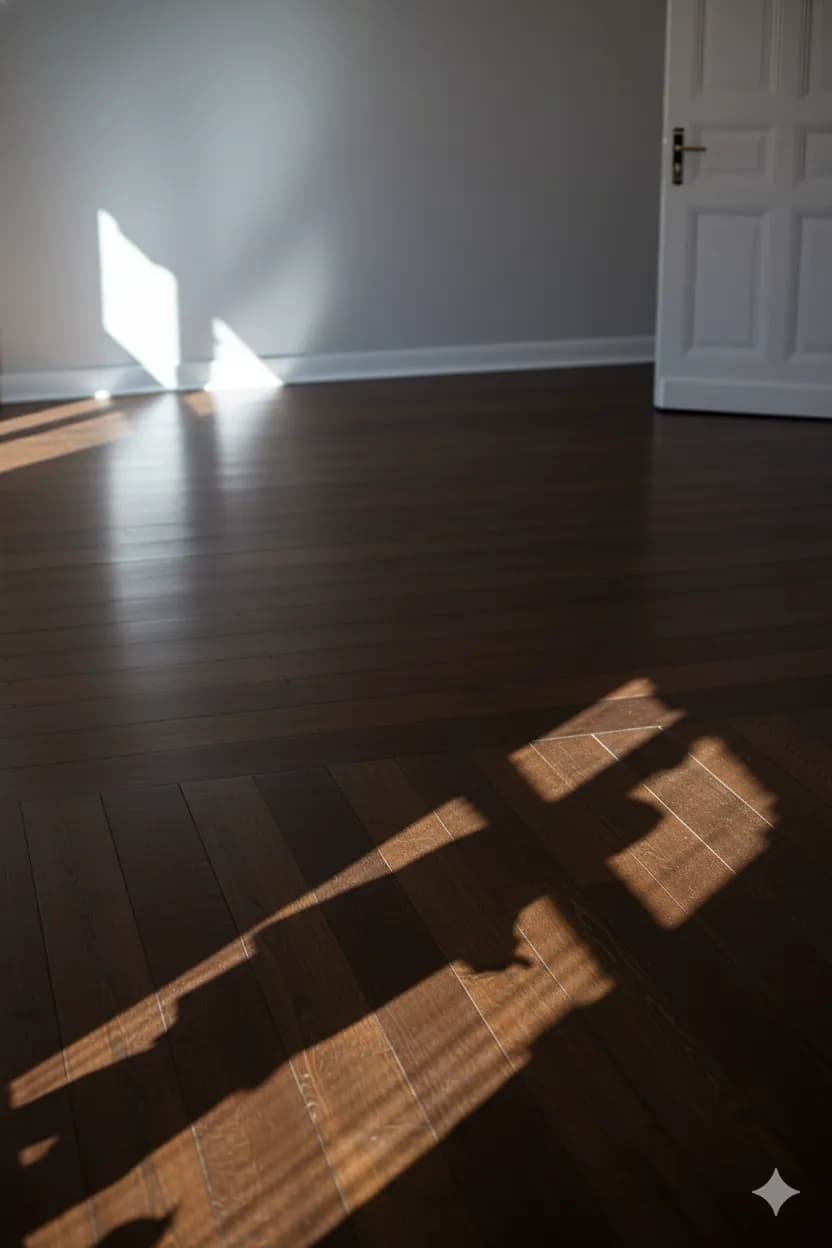 How-to
LVP vs hardwood: cost, lifespan and which to choose
LVP is cheaper and shrugs off spills; hardwood costs more and can be sanded back to new for decades. Here's how they compare on cost, lifespan and each room in your house.
· 8 min read
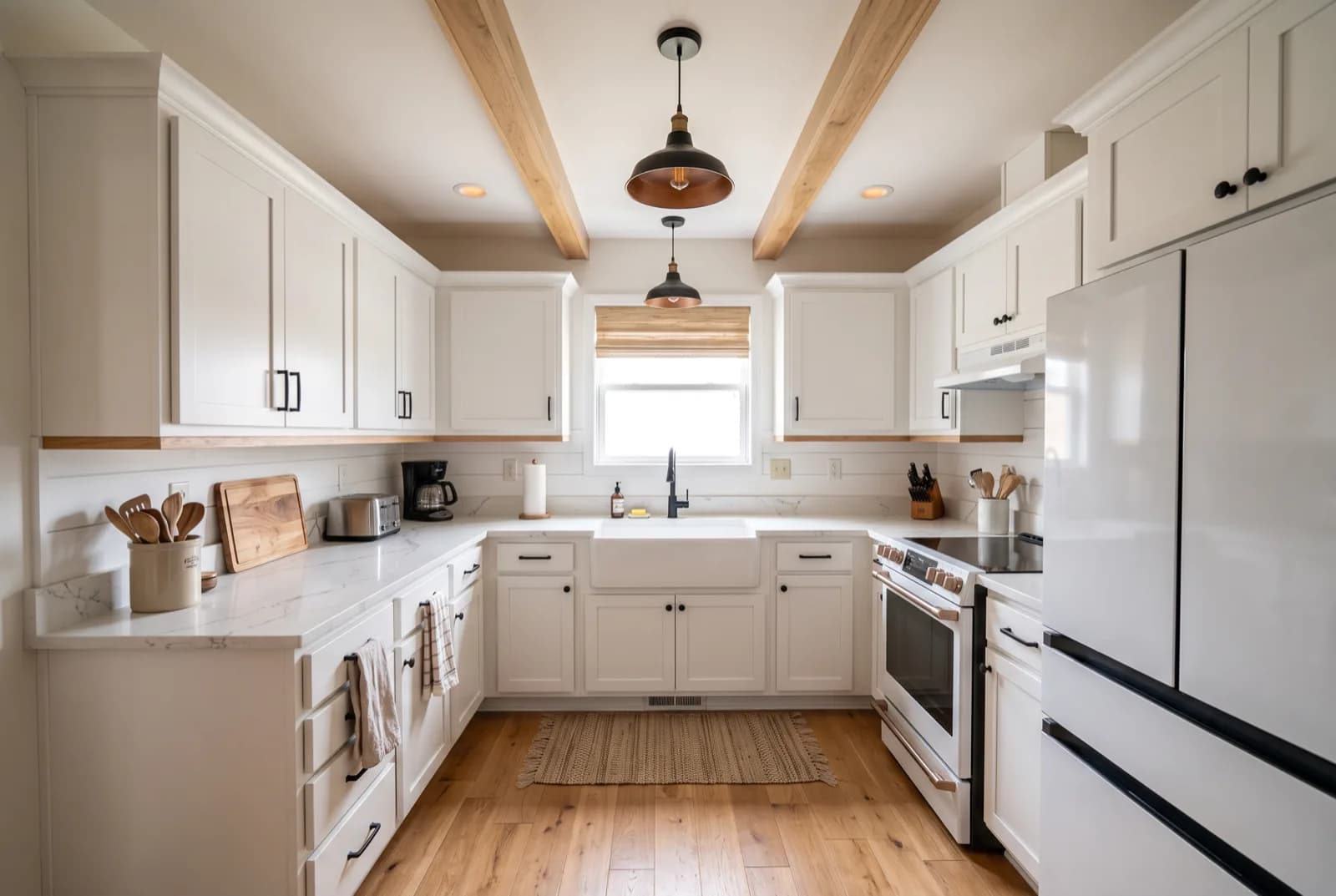 How-to
Modern farmhouse kitchen ideas on a budget
Nine modern farmhouse kitchen upgrades ranked by impact per dollar, plus what to skip, a hex-coded palette and how to preview it all before you buy.
· 7 min read
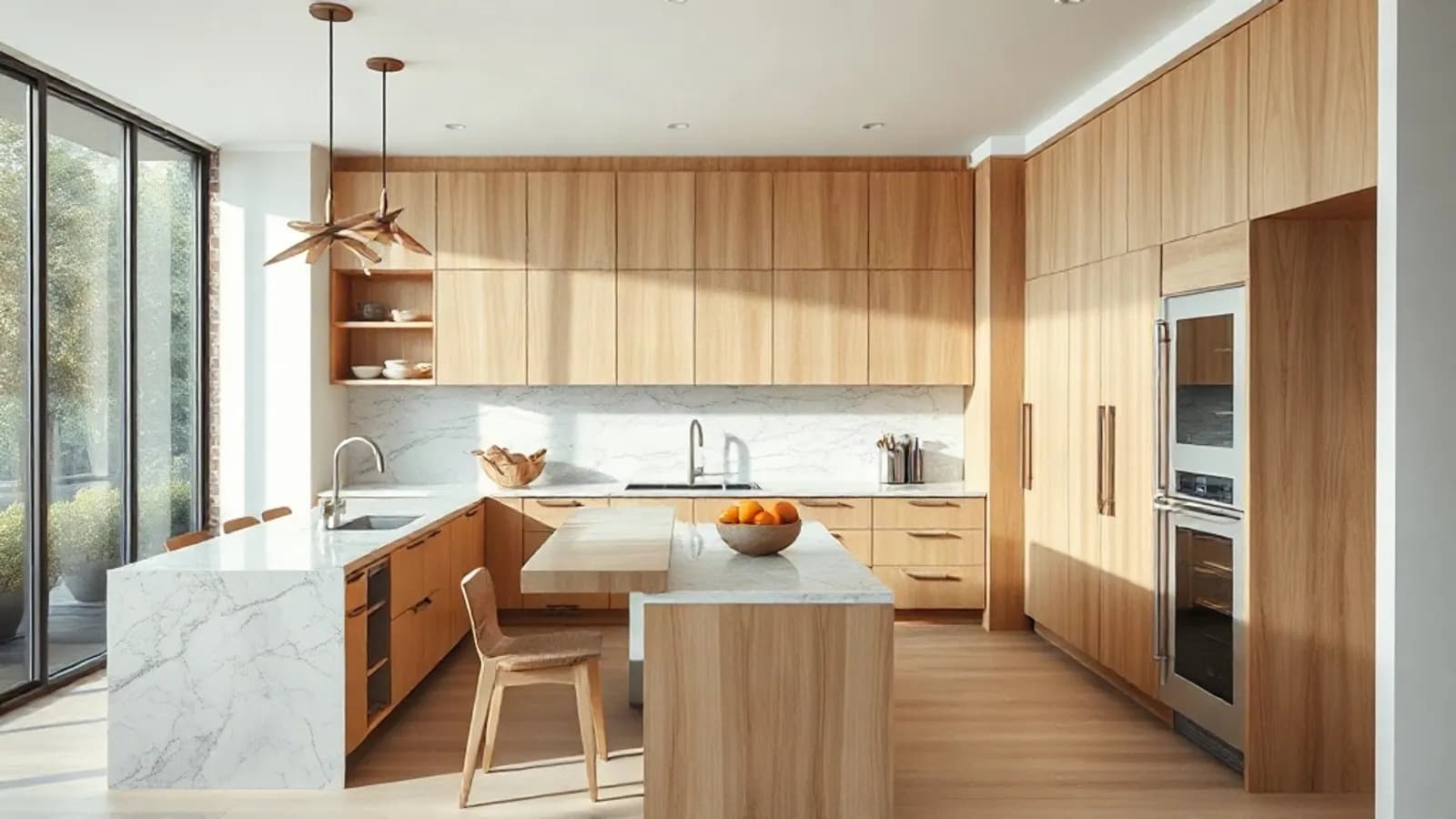 Trends
Kitchen trends 2026: 10 changes worth copying (and 4 to skip)
Wood just overtook white as the top cabinet color, and pros expect more beverage stations, pantries and color. Here are the 10 kitchen trends for 2026 worth copying, 4 to skip, and what each one costs to undo.
· 9 min read
Try this on your own room
Snap it, pick a style, see it redesigned in about 30 seconds.
Free to try · 3-day free trial on annual · Cancel anytime
