
LVP vs hardwood: cost, lifespan and which to choose
By RivAI Team · · 8 min read
The short answer
Hardwood costs more and lasts longer: HomeAdvisor puts solid hardwood at $10-$25 per sq ft installed and 30 to 100 years of life, versus $3-$10 (labor not specified) and 10 to 25 years for LVP. Pick LVP for kitchens, baths, basements, rentals and pets. Pick hardwood, or engineered wood, for living rooms and bedrooms you plan to keep for decades.
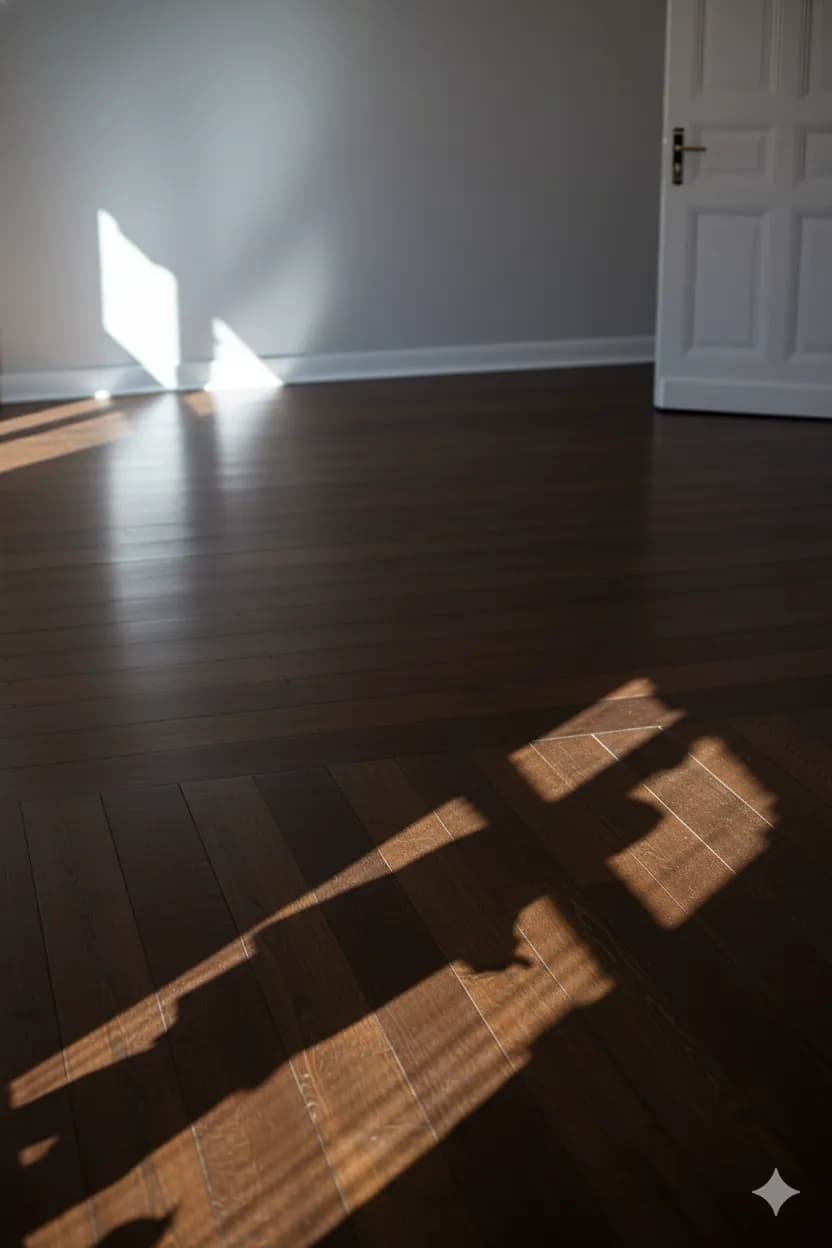
What's the difference between LVP and hardwood?
Luxury vinyl plank (LVP) is a layered vinyl floor: a printed wood image sealed under a clear wear layer. Hardwood is real wood, either solid boards or engineered boards with a hardwood veneer glued over plywood. Price follows that split. HomeAdvisor's vinyl cost guide puts LVP at $3-$10 per sq ft, while its wood flooring guide lists solid hardwood at $10-$25 installed and engineered at $5-$20.
On lifespan, hardwood wins easily: HomeAdvisor gives solid wood 30 to 100 years, against 10 to 25 for vinyl, and Hardwood Floors magazine says most solid floors can be sanded 6 to 8 times. So the trade-off is simple. LVP is cheaper and handles daily spills, pets and DIY installs better. Hardwood costs more up front, but when it wears out you refinish it instead of tearing it up.
| Feature | LVP | Engineered hardwood | Solid hardwood |
|---|---|---|---|
| Installed cost per sq ft | $3-$10 (HomeAdvisor doesn't say if labor is included) | $5-$20 | $10-$25 |
| Lifespan | 10-25 years | 20-30 years | 30-100 years |
| Water | Fine with spills and damp mopping; standing water that seeps under the planks is still trouble | Handles humidity swings better than solid, but the top is still wood | Wipe spills quickly; standing water stains and cups boards |
| Refinishing | Can't be sanded; you replace worn planks | Only if the wear layer is thick enough: don't sand below 3/32 in (2.38 mm) | Most can be sanded 6-8 times; refinishing runs $3-$8 per sq ft every 7-10 years |
| Wear layer | At least 20 mil (about 0.5 mm) for busy rooms | Hardwood veneer of 1/16-1/4 in (1.6-6.4 mm) | Each sanding removes 1/32-1/16 in (0.8-1.6 mm) of the wood above the tongue |
| Comfort and sound | Hard and thin; can sound hollow or clicky without a good underlayment | Feels like solid wood when glued down; floating installs can sound hollow | Solid, warm feel underfoot; shows dents from heels and dropped pans |
| VOC certifications | Look for FloorScore or ASSURE Certified on the box | Ask for emissions data on the finish and adhesive | Ask for emissions data on the finish, especially for site-finished floors |
| Resale perception | Often doesn't add resale value the way hardwood can | Reads as real wood, because it is | Among the floors This Old House says can add resale value |
| DIY | Click-lock planks are a realistic weekend project | Click-lock versions exist; glue-down is harder | Nail-down installs and sanding are pro jobs for most people |
When should you choose LVP?
- Wet or messy rooms. Kitchens, bathrooms, laundry rooms and mudrooms, where a spill on wood means a stain.
- Basements, especially over a concrete slab, where solid wood is a bad match for the moisture.
- Pets and small kids. Claws and dropped toys scratch site-finished wood fast; a thick wear layer takes it better.
- Rentals and flips you won't live in. You get the wood look at the lower price, and a damaged plank pulls out and swaps without sanding the room. Ask for at least a 20 mil wear layer in hallways and kitchens.
- A DIY budget. Floating click-lock LVP is the one floor here most people can install themselves.
When should you choose hardwood?
- You're staying for a decade or more. The long lifespan only pays off if you're there to see it.
- Living rooms, bedrooms, dining rooms and offices. Dry rooms with lighter traffic are where wood ages well and picks up a patina instead of damage.
- You care about resale. This Old House notes that LVP often doesn't raise resale value the way hardwood, stone or tile can.
- There's already oak under the carpet. Refinishing at $3-$8 per sq ft usually costs less than new LVP at the top of its range, and you keep a floor that can be sanded again later.
- You want to change color later. A refinish takes orange-toned oak to a matte natural finish without new boards.
Is engineered hardwood a good middle option?
For a lot of homes, yes. Engineered boards are real wood on top, so they look and age like hardwood, and the plywood core moves less with humidity than a solid board. Price sits between the two: HomeAdvisor lists engineered at $5-$20 per sq ft installed with a 20 to 30 year lifespan.
Whether you can ever refinish it comes down to one spec. Hardwood Floors magazine, published by the National Wood Flooring Association, says engineered wear layers range from 1/16 to 1/4 in (1.6 to 6.4 mm) and shouldn't be sanded once they're below 3/32 in (2.38 mm). A thin veneer is effectively a one-finish floor. A thick one behaves much more like solid wood.
Which floor works best in each room?
| Room | Better pick | Why |
|---|---|---|
| Kitchen | LVP, or engineered with a thick wear layer | Spills, dropped pans and constant traffic. Our kitchen flooring guide compares tile and laminate too |
| Bathroom | LVP | Splashes and humidity every day; wood is a gamble near a tub or shower |
| Basement | LVP | Below-grade concrete brings moisture that solid wood won't tolerate |
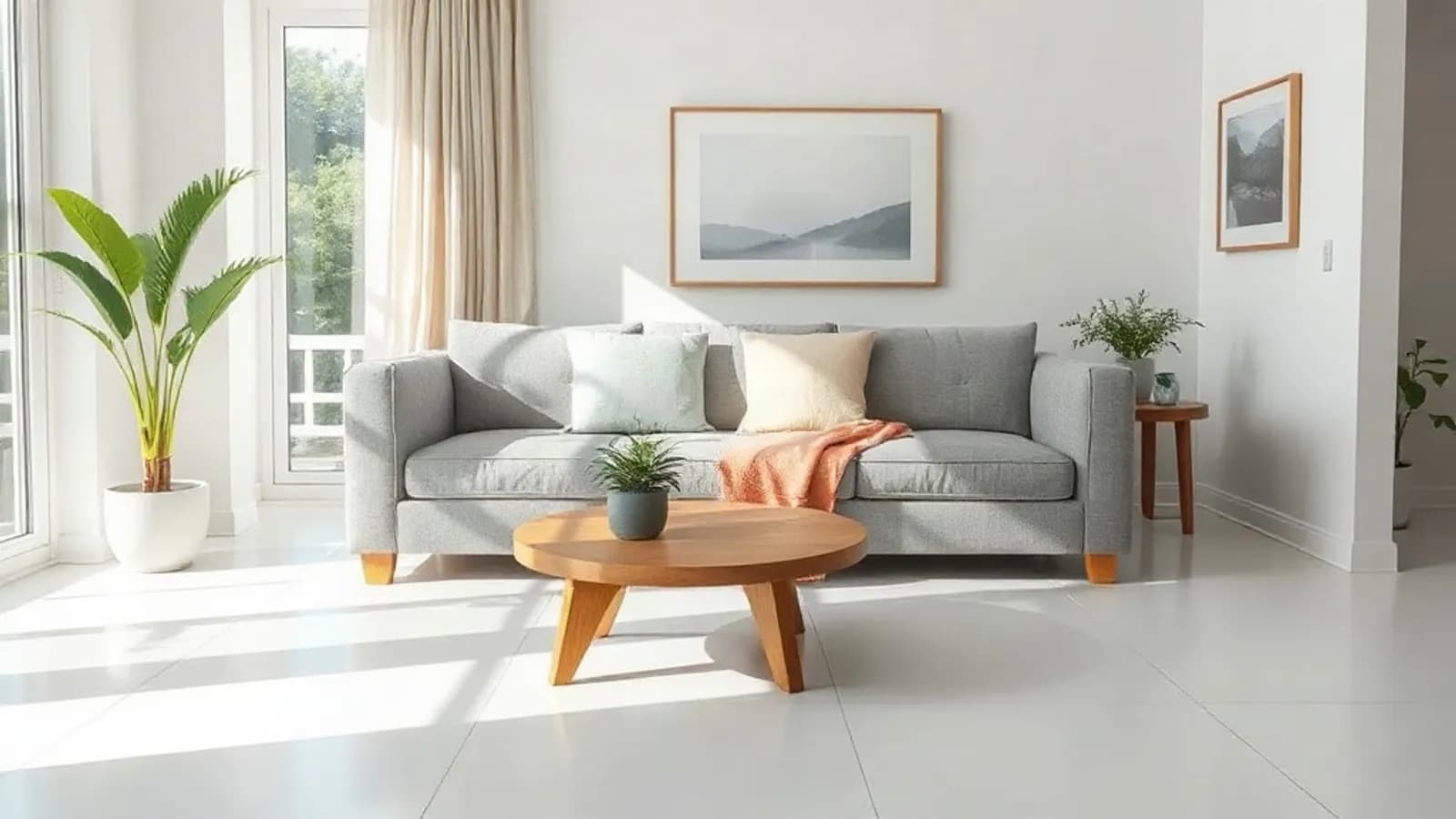
| Living room | Hardwood or engineered | Dry, visible, and the room guests notice first. See living room ideas for how floor tone sets the palette |
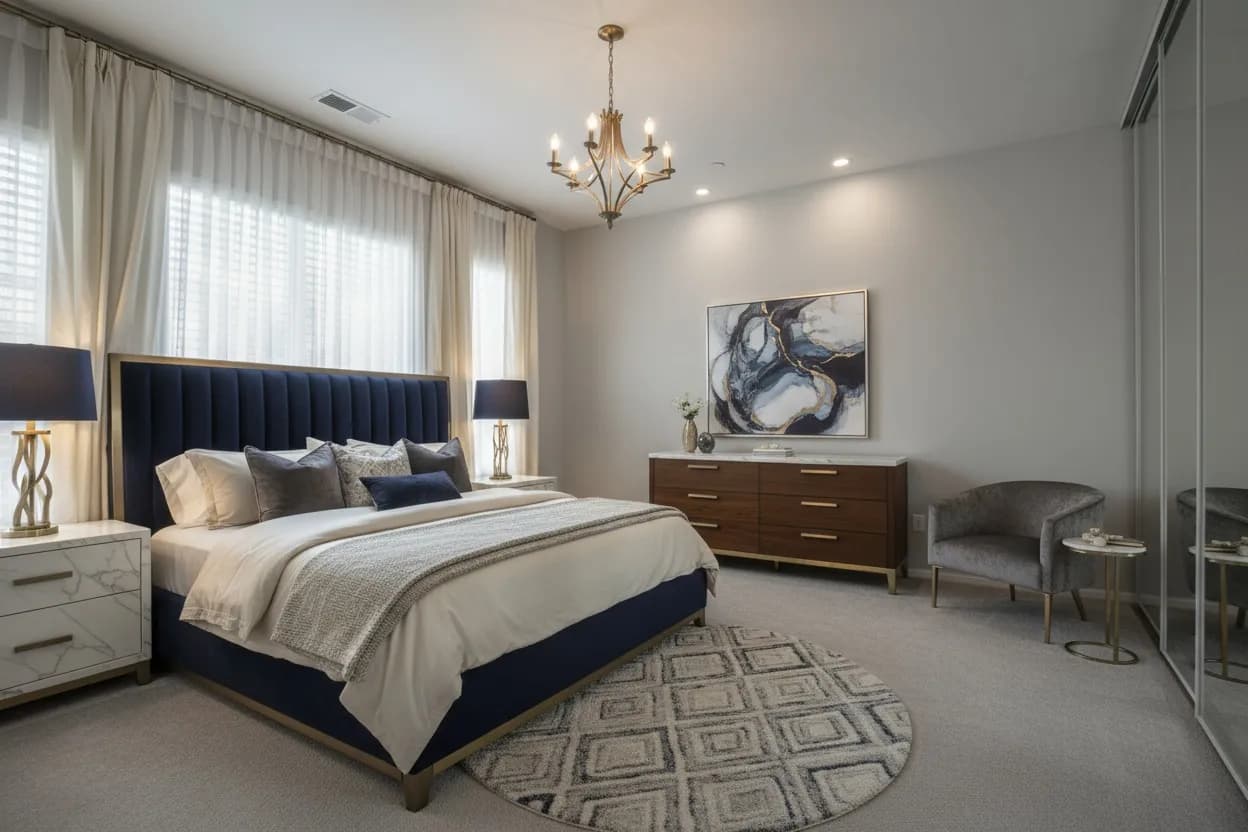
| Bedrooms | Hardwood or engineered | Low traffic, bare feet, rugs. Wood feels warmer and quieter here. More in our bedroom design ideas |
| Rental unit | LVP | Tenant wear, quick plank swaps between leases, lower cost to replace |
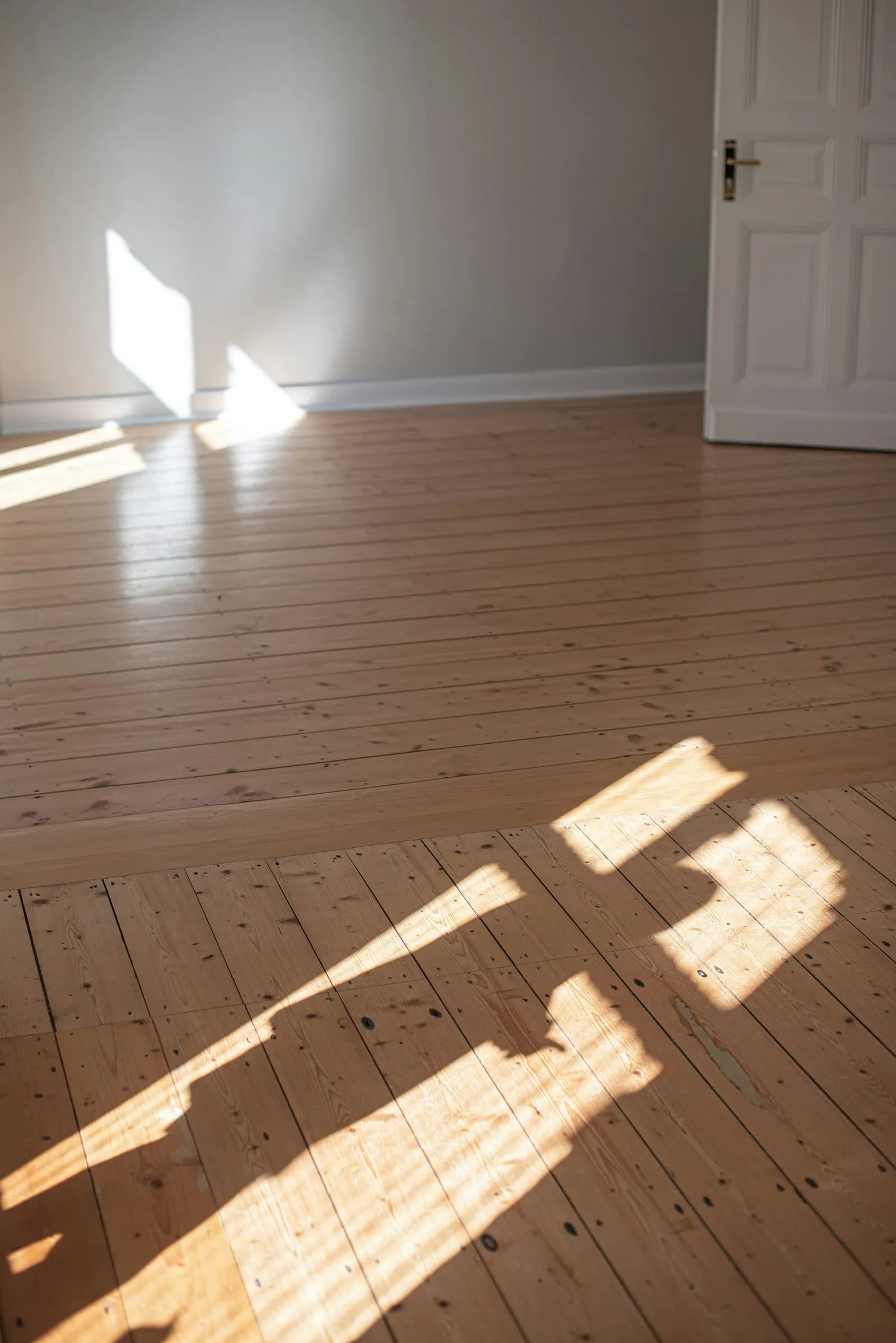
Can you mix LVP and hardwood in the same house?
Yes, and plenty of homes do: LVP in the kitchen, baths and basement, wood in the living and sleeping rooms. Make the change at a doorway or a natural break, not across an open room. Use a T-molding where both floors sit at the same height and a reducer strip where one is thicker. Matching plank width helps the two read as one plan.
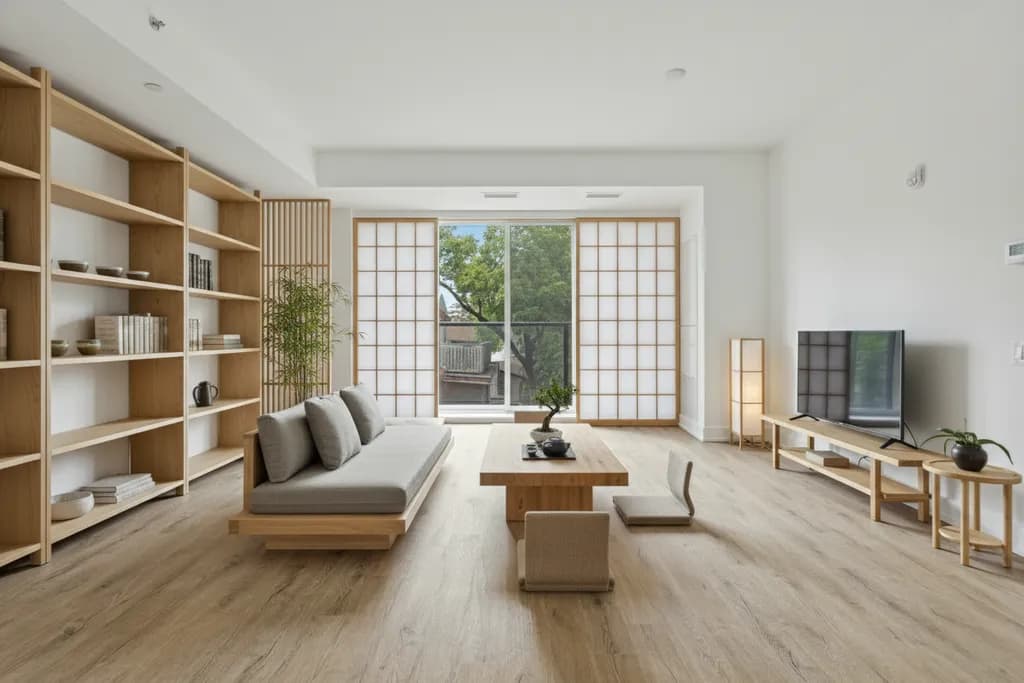
Tone matters more than species. Keep both floors in the same family (two warm mid-tones, or two cool light tones) rather than chasing an exact match, because a near-miss looks like a mistake while a clear step looks intentional. Light, matte oak suits a Scandinavian living room, and a modern living room handles darker walnut or a greige plank. The swatches below are approximate tones to help you compare samples, not exact product colors.
See these colors on your own walls: Try this palette in RivAI
How can you compare LVP and hardwood on your own room?
Take a straight-on daylight photo of the room and open the Floor tool in RivAI's AI interior design app. Describe the floor you're considering, for example "wide-plank white oak hardwood, matte", and you'll get a result in about 30 seconds on Standard. Then run the same photo again with "light gray LVP planks", check each against the original on the before/after slider, and save both to Photos to compare side by side.
That's a quick way to see whether a cool gray plank fights your cabinets or a honey tone looks dated next to your sofa. Our Keep Structure vs Full Renovation guide explains when to change more than the floor. Be clear on the limits, though: a photo can't show texture underfoot, sound, or how a wear layer holds up. Free use covers 2 designs per install (exactly one LVP and one hardwood try), results carry a watermark, and it's iPhone and iPad only.
Which is cheaper and easier to live with, LVP or hardwood?
LVP is cheaper to buy and easier day to day. At HomeAdvisor's $3-$10 range, 2,000 sq ft of LVP comes to $6,000-$20,000 by our math (HomeAdvisor doesn't say whether that range includes labor). The same area of solid hardwood at $10-$25 works out to $20,000-$50,000, and engineered at $5-$20 lands between $10,000 and $40,000.
Over time the gap narrows. Vinyl at 10 to 25 years may need replacing two to four times over one solid wood floor's life, and worn LVP can't be renewed. Hardwood asks for more care: quick spill cleanup, felt pads, and a refinish every 7 to 10 years at $3-$8 per sq ft. If you hate maintenance or rent the place out, choose LVP. If you'll stay and don't mind a refinish each decade, hardwood is the better long-term buy.
FAQ
Does engineered wood look real?
It's real wood on the surface, so yes. The top layer is a sawn or sliced hardwood veneer, which means the grain, color variation and texture are genuine. Once installed, most people can't tell it from solid hardwood. The difference shows at the board edges and in how many times it can be sanded.
Which is better, LVP or vinyl?
LVP is a type of vinyl. Compared with sheet vinyl, it's thicker and rigid, comes in individual planks and looks far more like wood. [HomeAdvisor](https://www.homeadvisor.com/cost/flooring/install-vinyl-or-linoleum-flooring/) lists sheet vinyl at $1-$2 per sq ft and LVP at $3-$10, so sheet vinyl is the budget pick for laundry rooms, while LVP suits living spaces.
What is the downside of LVP?
It can't be refinished, so deep scratches or a worn wear layer mean replacing planks. Cheap versions look repetitive, with the same knot pattern every few boards. It can feel hard and sound hollow underfoot, it [often doesn't add resale value](https://www.thisoldhouse.com/flooring/luxury-vinyl) the way hardwood does, and it's still plastic, so check for FloorScore or ASSURE certification.
Do high end homes use LVP?
Plenty do, mostly in basements, mudrooms, laundry rooms and kids' areas where water and wear matter more than prestige. Main living areas in expensive homes still lean toward hardwood, engineered wood, stone or tile. Using LVP in the wet zones and wood in the main rooms is a common, sensible split.

RivAI Team
We build RivAI, the AI home design app for iPhone, at PixelPort LLC. RivAI is our product, so read our picks with that in mind: we take no payment for placements, and every product claim is checked against the app. About us · Editorial policy.
Published · Last updated
- #flooring
- #lvp
- #hardwood
- #renovation costs
Keep reading
 How-to
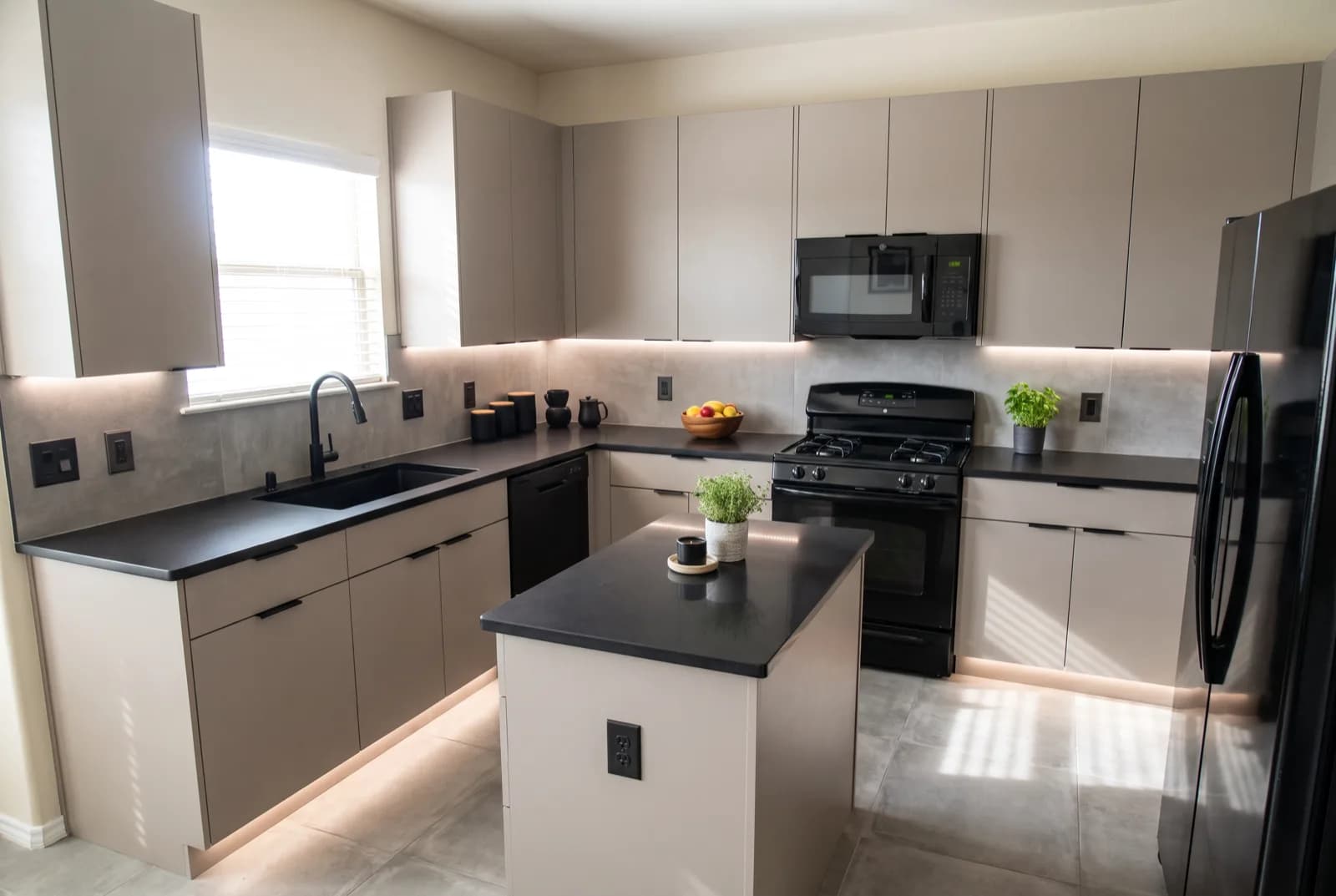
Best flooring for a kitchen: 7 options compared by cost and wear
LVP, sheet vinyl, tile, hardwood, engineered wood, laminate and cork compared on water, dropped pans, comfort, cleaning, cost and DIY. Sourced prices per square foot and a clear pick for each situation.
· 12 min read
 How-to
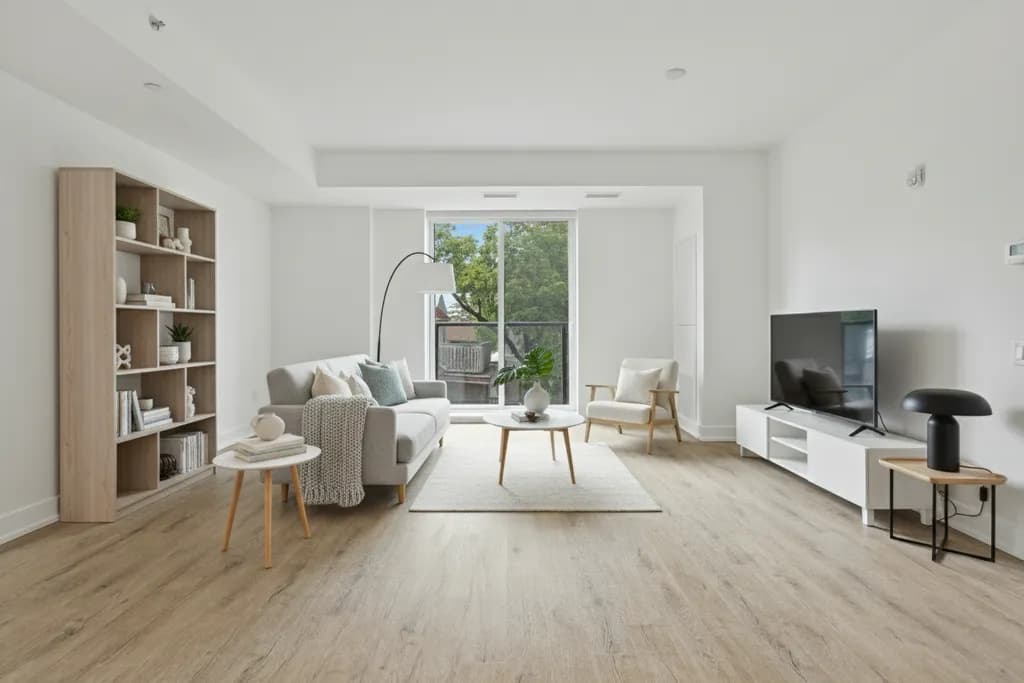
Rearrange my room: a 9-step layout method (and how AI helps)
A practical order for rearranging any room, from the tape measure to a one-week trial, with the clearances and layouts that make it work.
· 11 min read
 How-to
How to remove objects from photos on iPhone (with or without Clean Up)
Clean Up in the iPhone Photos app erases distracting objects with a tap or a brush stroke, if your phone supports Apple Intelligence. Here's how to use it, why it might be missing, and what to do instead.
· 10 min read
Try this on your own room
Snap it, pick a style, see it redesigned in about 30 seconds.
Free to try · 3-day free trial on annual · Cancel anytime
