
Guide
Interior design styles explained: 43 looks, with palettes
By RivAI Team at PixelPort LLC · Published · How we write guides
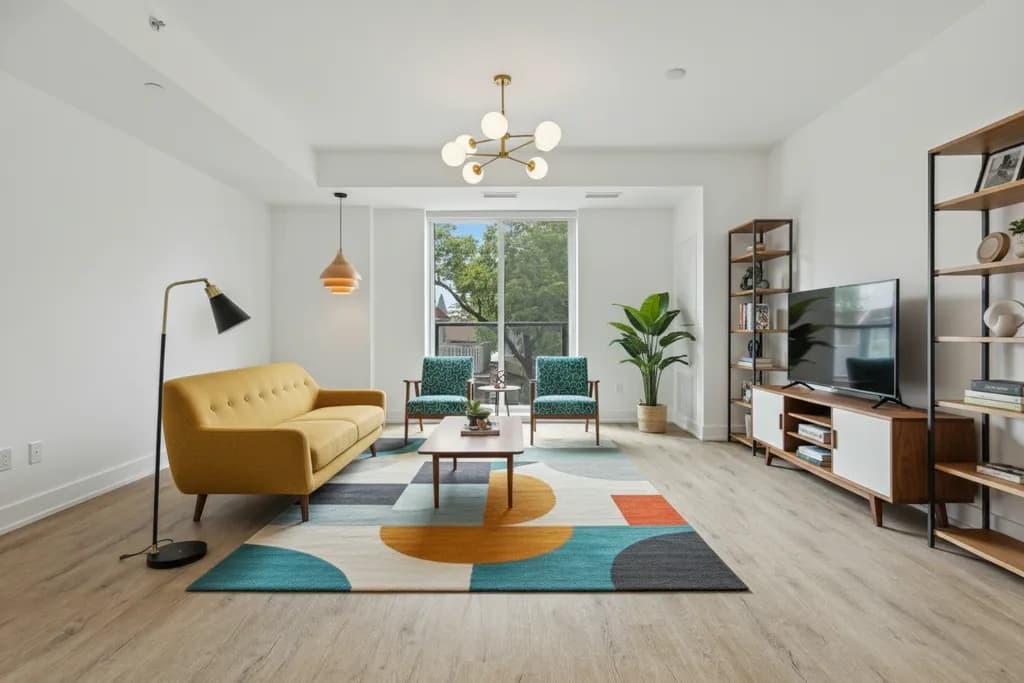
The short answerInterior design styles are recognizable combinations of colors, materials, furniture shapes, and decor that create a consistent mood. This guide groups RivAI's 43 styles into five families: minimal (Scandinavian, Japanese), classic (Modern, Art Deco), cozy (Bohemian, Rustic, Coastal), bold (Industrial, Cyberpunk) and seasonal holiday looks, each previewable on your own room photo.
Why do styles matter when redesigning a room?
A style is a shortcut to coherence. Instead of picking a sofa, a paint color, and a rug independently and hoping they agree, a style gives you a tested recipe of palette, materials, shapes, and decor that already work together. With RivAI you can audition any of the 43 styles on a photo of your actual room in about 30 seconds, so choosing a style becomes an experiment instead of a gamble. This guide explains what defines each of the 43 looks, grouped into five families, so you can shortlist candidates before you start rendering.
How did these style families emerge?
Most styles trace back to a place and a constraint. Scandinavian and Japanese design grew from long winters and small homes that demanded light, order, and multi-use furniture. Farmhouse and Rustic styles come from rural practicality, where materials were local and finishes honest. Industrial style was born when warehouses became apartments and people kept the brick and steel instead of hiding them. Seasonal styles are the newest family: AI restyling makes it cheap to preview a room dressed for a single holiday.
Minimal and calm styles
Minimal styles strip a room to essentials: low-contrast palettes, natural light, and furniture with clean lines. They photograph well and make small rooms feel larger.
- Minimalist: bare essentials, neutral palettes, and hidden storage; every object earns its place.
- Scandinavian: light woods, white walls, and soft textiles built for long dark winters; functional but warm.
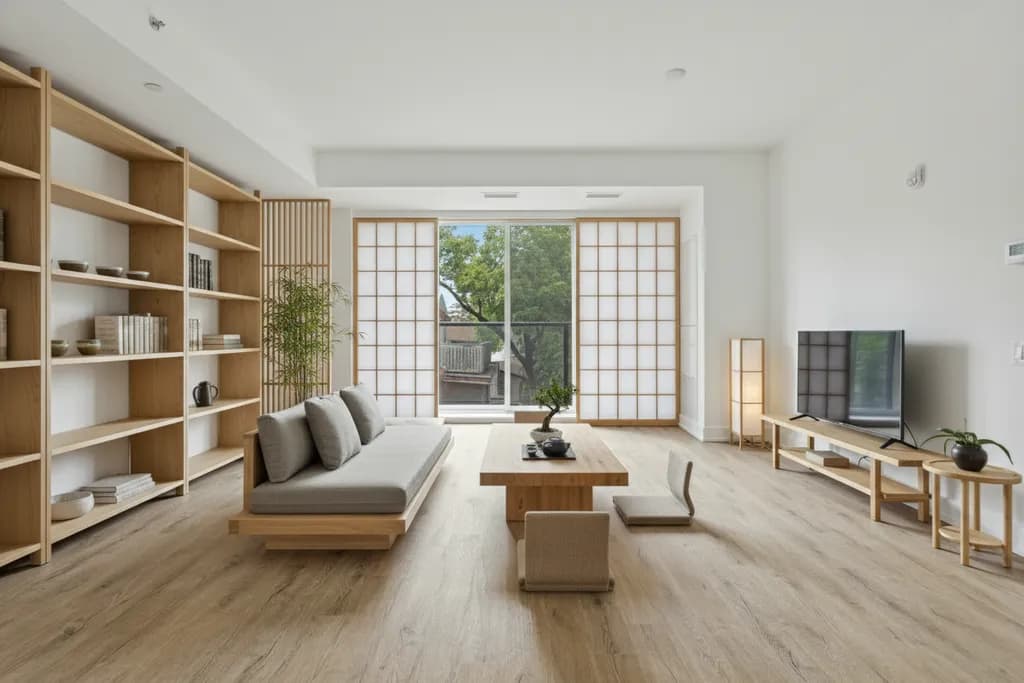
- Japanese: low furniture, natural materials, and deliberate empty space rooted in tatami-room tradition.
- Zen: meditation-room calm; stone, bamboo, water tones, and almost no clutter.
- Simple Living: unfussy, comfortable rooms for everyday life, with practical furniture and few decorations.
- Biophilic: nature as the design principle; daylight, plants, raw wood, and stone.
Japandi, the popular hybrid of Japanese restraint and Scandinavian warmth, is not a separate style in RivAI. To get it, render Japanese, Zen, Scandinavian or Minimalist and add a short prompt such as pale oak, linen and handmade ceramics.
Classic and timeless styles
Classic styles borrow from proven eras and places. They suit period homes and anyone who wants a look that will not date in five years.
- Modern: mid-twentieth-century clarity; flat planes, honest materials, and minimal ornament.
- Contemporary: whatever is current now; open plans, neutral bases, and sculptural statement pieces.
- Mid-Century: 1950s optimism; tapered legs, warm teak, and organic curves.
- Traditional: European-inspired symmetry, rich woods, and layered textiles; formal but comfortable.
- Neoclassic: Greek and Roman grandeur; columns, moldings, and a muted, monumental palette.
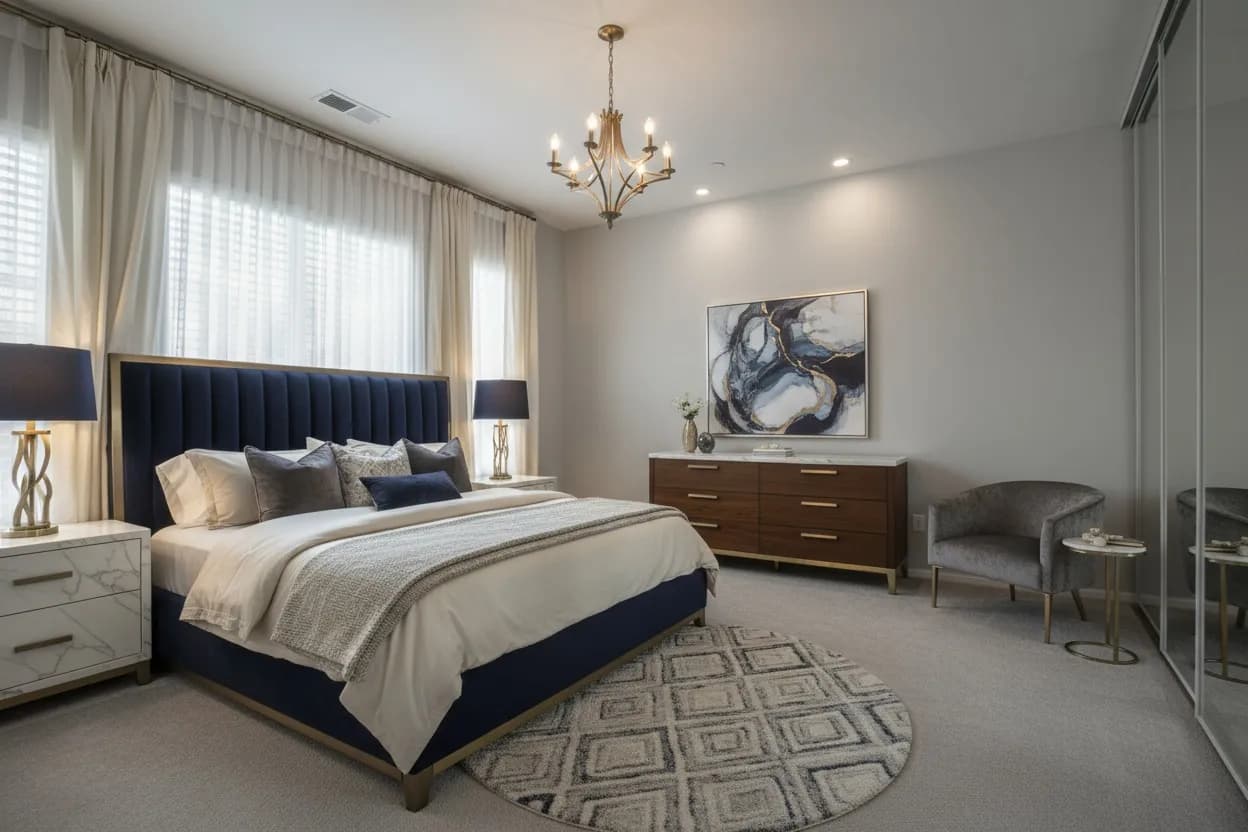
- Art Deco: 1920s glamour; geometric patterns, lacquer, brass, and bold symmetry.
- Art Nouveau: flowing organic lines, stained glass, and floral craftsmanship.
- French: an elegant modern French mix of antiques, linen, and effortless polish.
- French Country: Provencal charm; soft pastels, distressed finishes, and linen fabrics.
- Parisian: Haussmann-apartment chic; parquet, moldings, marble, and modern restraint.
- Luxury: contemporary five-star hotel polish, tailored and calm.
- Hollywood Glam: velvet, mirrored furniture, crystal, and metallic accents.
- Vintage: curated pieces from the 1920s to the 1960s, patina included.
Farmhouse and Transitional are also not in RivAI's list. For a farmhouse look, Rustic or French Country is the closest match; for transitional, start from Traditional or Contemporary and describe the mix in a short prompt.
Cozy and relaxed styles
Cozy styles prioritize comfort and personality over polish. They layer textiles, mix eras, and welcome imperfection.
- Bohemian: collected and free-spirited; layered rugs, plants, rattan, and global textiles.
- Modern Boho: the boho mood edited down; neutral bases, rattan, and fewer, better textiles.
- Rustic: cabin warmth; rough timber, stone, leather, and iron hardware.
- Shabby Chic: faded elegance; whitewashed wood, vintage florals, and gently worn finishes.
- Mediterranean: sun-baked southern Europe; terracotta, arched shapes, and blue-and-white accents.
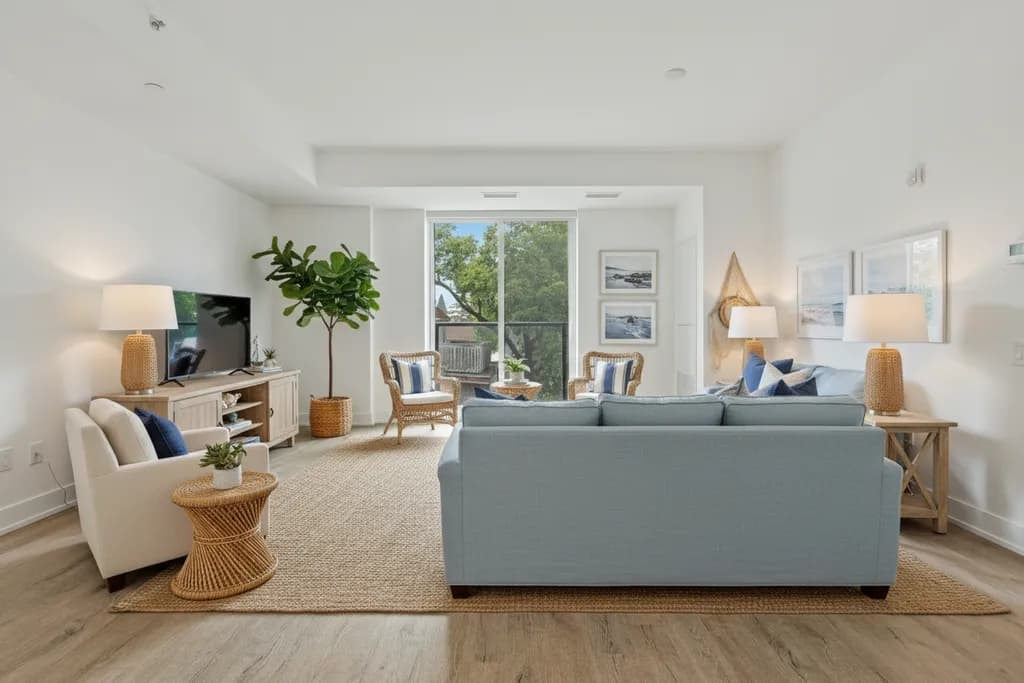
- Coastal: beach-house ease; white slipcovers, driftwood tones, and sea-glass blues.
- Nautical: classic maritime; navy, brass, and crisp stripes.
- Surf Shack: sun-faded, sandy, and laid-back beach-shack character.
- Bali: teak, stone, and open air; resort calm with a tropical soul.
- Tropical: lush greens, palm prints, and breezy natural materials.
- Tribal: global patterns, carved wood, and warm earth tones.
- Airbnb: neutral, durable, photogenic rooms that guests read as clean and welcoming.
Bold and dramatic styles
Bold styles treat a room as a statement. They reward confidence and strong daylight, and they benefit from the 60-30-10 color rule to stay livable.
- Industrial: converted-loft rawness; exposed brick, black steel, concrete, and Edison bulbs.
- Retro: 60s and 70s revival; mustard, avocado, curved furniture, and playful prints.
- Cyberpunk: neon-noir futurism; LED accents, dark walls, and high-gloss tech surfaces.
- Futuristic: clean white curves and seamless sci-fi minimalism.
- Electric: saturated color, neon accents, and fearless energy.
- Medieval: castle character with stone, iron, and heavy timber.
Seasonal styles
Six of the 43 styles are holiday looks that restyle your existing room for an occasion without permanent changes. They are ideal for party prep or deciding whether a decorating idea is worth buying for.
- Christmas: classic red and green or modern neutral trees, garlands, and warm string lights.
- Halloween: moody blacks, orange accents, candles, and playful spooky decor.
- Easter: soft yellows, greens, and spring blooms with a light brunch-ready table.
- Thanksgiving: burnt orange, deep reds, plaid throws, and harvest textures.
- New Years: black, gold, and sparkle for a party-ready celebration look.
- Chinese New Year: red and gold, lanterns, and festive spring-festival decor.
Which styles suit which rooms?
- Living rooms: Modern, Scandinavian, and Contemporary are safe crowd-pleasers; Electric rewards confident decorators.
- Bedrooms: Zen, Japanese, and Simple Living prioritize calm and soft light over stimulation.
- Kitchens: Rustic, Industrial, and Mediterranean handle hard surfaces and warm materials well.
- Home offices: Minimalist and Japanese keep visual noise low for focus.
- Kids' rooms: Retro and Electric bring playful color without permanent commitment.
- Exteriors and gardens: Coastal, Mediterranean, and seasonal styles photograph best in daylight.
Can a style change how a room feels to live in?
Yes, and you notice it in daily life. Light minimal rooms reduce visual noise and tend to feel calmer to work and rest in. Warm cozy rooms encourage lingering; bold dramatic rooms energize but can fatigue in spaces you use all day. This is why the same person often picks Scandinavian for a bedroom and Industrial for a kitchen. Previewing styles on your actual room lets you test the feeling, not just the look, before committing to paint and furniture.
How do you choose between 43 styles?
Do not pick from a list; pick from evidence. In RivAI, render the same photo in three or four styles from different families, then compare them with the before/after slider. Most people discover their taste by elimination: the style you keep returning to across rooms is your answer. For inspiration, browse the Inspire gallery of preset ideas and use one as a starting point for your own photo.
- Start with your room's fixed features; exposed beams love Rustic, while concrete floors suit Industrial.
- Render three styles from different families on the same photo before deciding.
- Test a seasonal style before a holiday instead of buying decorations blind.
- Use Style Transfer to apply the look of a reference photo you saved to your own room.
Should every room in your home share one style?
No, but rooms should feel related. A common professional approach is one dominant style for shared spaces with accent styles in private rooms: Scandinavian living areas, a moodier Hollywood Glam bedroom, a playful Retro kids' room. Shared undertones in the palette keep transitions calm, and hallway neutrals act as a palate cleanser between stronger rooms. Because RivAI renders each room independently from its own photo, you can test this zoning idea room by room before buying a single cushion.
Put this guide to work: AI interior design, interior color palette generator, interior design style quiz, Japandi vs Scandinavian and Japandi style.
Related
FAQ
How many interior design styles are there?
Dozens are widely recognized, and new hybrids appear constantly. RivAI offers 43 styles, from Minimalist and Scandinavian to Cyberpunk and six holiday looks, each previewable on your own photo. Hybrids like Japandi are reachable with a close style plus a short prompt.
Can I mix two styles in one room?
Yes; hybrids like Japandi and Transitional exist precisely because mixing works. Keep one style clearly dominant and borrow accents from the second, tied together with a shared color palette. In RivAI, pick the dominant style and describe the accents in a short prompt.
Which style makes a small room look bigger?
Minimal family styles work best: Minimalist, Scandinavian, and Japanese use light palettes, low furniture, and visual breathing room. Avoid heavy, dark looks like Medieval in tight spaces.
Do certain styles suit certain rooms?
Some pairings are natural: Zen and Japanese for bedrooms, Industrial for kitchens and lofts, Coastal for bathrooms. But the only real test is your room, which is why rendering a style on your actual photo beats any rule of thumb.
Can AI show me a seasonal version of my room?
Yes. RivAI's six holiday styles, including Christmas, Halloween, Thanksgiving and Chinese New Year, restyle your existing room while Keep Structure keeps the layout intact. It is a fast way to plan holiday decorating before you buy anything.
Last updated 2026-10-09
Try it on your own room
Snap it, pick a style, see it redesigned in about 30 seconds.
Free to try · 3-day free trial on annual · Cancel anytime
