
How to pick paint colors for a north-facing room
By RivAI Team · · 7 min read
The short answer
In a north-facing room, choose colors with warm undertones: creamy whites, yellow or red-leaning neutrals, and earthy mid-tones. Avoid icy whites and blue-grays, which turn flat and gray in cool indirect light. Or go deliberately dark and cozy. Test large samples at different times of day under 2700K–3000K bulbs before committing.
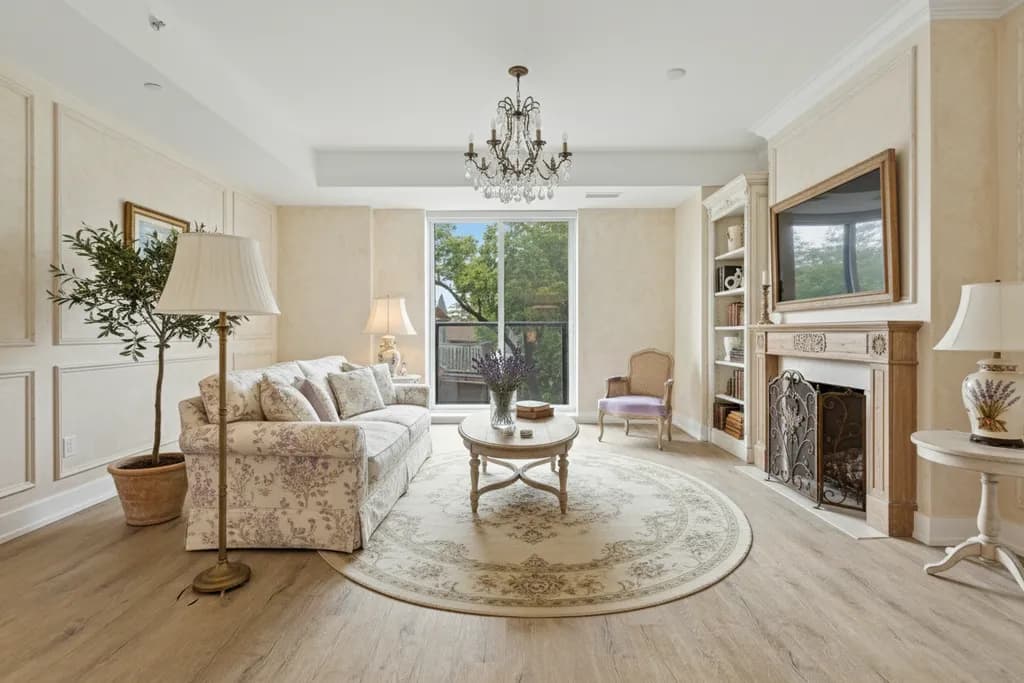
Why does a north-facing room feel cool?
In the Northern Hemisphere, the sun moves across the southern part of the sky, so north-facing windows rarely get direct sunlight. The light they let in is reflected skylight: soft, indirect and slightly blue. That has an upside. It barely shifts through the day, which is why painters and artists have long favored north light. The downside is that colors lose warmth and saturation, and every cool undertone in your paint gets exaggerated.
The fix is not to fight the light but to choose colors that already carry warmth, so the room settles into something calm instead of gloomy.
Which undertones work best in north light?
Undertone matters more than the color name on the chip. In north light you want undertones that lean yellow, red or brown. Cream, ivory, warm beige, greige, ochre, terracotta and olive all hold up. Blue-leaning whites, cool grays and gray-greens tend to go flat and slightly dirty.
- Hold the swatch against a sheet of plain white printer paper. If it looks blue, green or purple by comparison, it will look cooler on the wall.
- Check fixed finishes. Warm oak floors and brass hardware reinforce warm walls; cool gray tile may need a balanced greige rather than a full cream.
- Greens are workable if they lean yellow (olive, moss) rather than blue (eucalyptus, mint).
Our guide to choosing paint colors covers undertones in more depth, including how to compare swatches side by side.
What LRV should you aim for, and why do light whites turn gray?
Light Reflectance Value (LRV) measures how much light a color bounces back, on a scale from 0 (black) to 100 (pure white). The instinct in a dim room is to pick the highest LRV possible. That backfires when the white is cool. A wall can only reflect the light it receives, and in north light that light is weak and bluish, so a stark white ends up looking like pale gray with a chilly cast.
A wall can only reflect the light it receives. In a north-facing room, a cool white just reflects more gray.
A warm white with a slightly lower LRV usually reads cleaner and brighter in practice than a bright, cool one. Paint brands publish LRV on their chips or websites; use it to compare candidates, then let your sample test make the final call.
See these colors on your own walls: Try this palette in RivAI
Should you go light, mid-tone or dark?
You have three honest options. Warm whites keep the room open and neutral. Earthy mid-tones like clay, mushroom and olive add warmth without darkness and hide the grayness that pale colors pick up. Deep colors accept that the room will never be sunny and lean into coziness instead. That last approach works especially well in bedrooms, dens and home offices used mostly in the evening.
See these colors on your own walls: Try this palette in RivAI
Color drenching means painting walls, trim, doors and sometimes the ceiling in one color or close shades of it. In a north-facing room it removes the contrast between bright trim and gray-looking walls, so the space reads as one deliberate, enveloping color. It suits the French country and traditional looks well.
See these colors on your own walls: Try this palette in RivAI
How should you test paint samples in a north-facing room?
Small chips lie, and they lie most in soft light. Test at a size the eye reads as a wall.
- Paint two coats onto sample boards at least 2 x 2 ft (61 x 61 cm), or paint the same size directly on the wall.
- Place samples on the darkest wall and on the wall beside the window, since each catches light differently.
- Look at them in the morning, at midday and in the evening with lamps on, for two or three days.
- Keep each sample next to trim, flooring and a large fabric in the room.
- Eliminate anything that looks gray, green or blue at any point. The survivor is your color.
To narrow the list before buying sample pots, take a photo of the room and preview colors on it. In RivAI's paint color visualizer you can apply an exact hex code or one of 12 curated swatches to the walls, ceiling or trim and compare the result on a before/after slider.
Which light bulbs make north-facing rooms feel warmer?
Artificial light does most of the work in a north-facing room for much of the year. Bulbs rated 2700K to 3000K give a warm white that flatters cream, clay and deep colors. Bulbs at 4000K and above push the room cooler and undo the work your paint is doing. Look for a high color rendering index (CRI 90 or above) so colors read accurately.
- Use at least three light sources at different heights: ceiling, table lamp and floor lamp.
- Put dimmers on overhead fixtures so evenings feel soft rather than flat.
- Use the same color temperature across the room; mixing 2700K and 5000K bulbs makes walls look patchy.
What paint sheen works best in low, indirect light?
| Sheen | Where to use it | Why in north light |
|---|---|---|
| Flat / matte | Walls, ceilings | Diffuses soft light evenly and hides surface flaws; deep colors look rich |
| Eggshell | Living rooms, bedrooms | Slight glow bounces a little more light, wipes clean |
| Satin | Kitchens, bathrooms, kids' rooms | More durable, adds subtle luster to darker colors |
| Semi-gloss | Trim, doors, cabinets | Reflects light at the edges of the room and stands up to wear |
Can you preview a north-facing room before you paint?
Yes. Take a photo in the room's normal daylight, then try candidates on it. RivAI is an iPhone app that redesigns a room from a single photo: pick from 43 styles for a full redesign in about 30 seconds, or use Paint and Walls to test colors and wall finishes while keeping everything else. It does not replace a real sample, but it cuts a list of twenty colors down to three. For whole-room inspiration, browse French country living room ideas or read about calm bedroom color palettes.
FAQ
What is the best white for a north-facing room?
A white with a visible warm undertone, leaning cream, yellow or slightly red, such as something close to #F3EFE6 or #F2EBDD. Avoid stark whites with blue or gray undertones, which read as dull gray in indirect light. Always test it next to your trim and floor first.
Can I use gray in a north-facing room?
Yes, but pick a warm gray or greige with beige or brown in it, like #CFC6B8, rather than a blue-gray. Cool grays lose what little warmth the room has and can look like wet concrete. If a gray swatch looks blue next to plain white paper, skip it.
Should north-facing rooms be painted dark?
Dark colors are a strong option because the room is never going to be bright and airy anyway. A deep green, brown or warm navy embraces the soft light and makes the space feel enveloping. Add warm lamps at several heights so the color glows in the evening.
Does this advice apply in Australia or South America?
It flips. In the Southern Hemisphere the sun sits to the north, so south-facing rooms get the cool, indirect light described here. Apply the same advice to your south-facing rooms.
What sheen should I use in a north-facing room?
Matte or eggshell on walls is the usual choice, since a soft sheen hides surface flaws and spreads diffuse light evenly. Eggshell or satin adds a bit of glow and is easier to clean in busy rooms. Save semi-gloss for trim and doors.

RivAI Team
We build RivAI, the AI home design app for iPhone, at PixelPort LLC. RivAI is our product, so read our picks with that in mind: we take no payment for placements, and every product claim is checked against the app. About us · Editorial policy.
Published · Last updated
- #paint
- #color
- #north-facing
- #lighting
Keep reading
 Inspiration
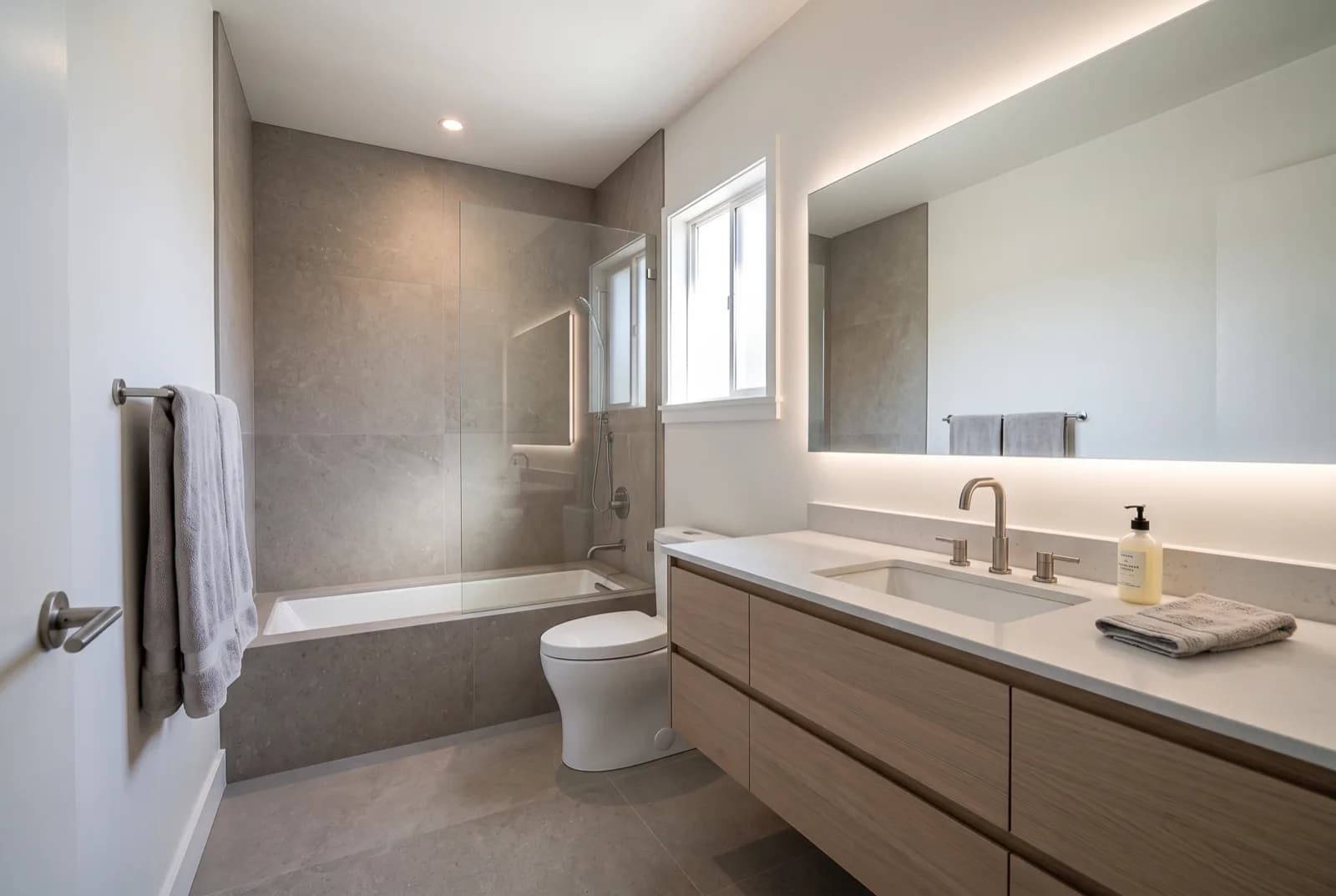
Small bathroom ideas: 20 ways to fit more and make it feel bigger
Twenty small bathroom ideas grouped by layout, storage, light, color and renter fixes. Each one comes with a size, a bulb temperature or a hex code you can use this weekend.
· 14 min read
 How-to
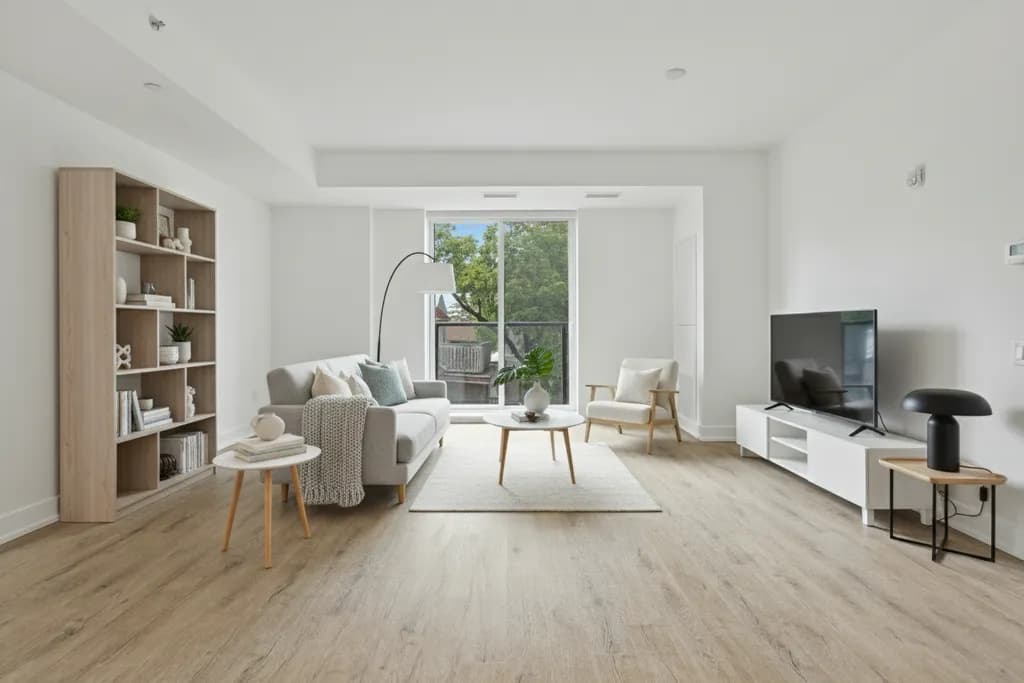
Rearrange my room: a 9-step layout method (and how AI helps)
A practical order for rearranging any room, from the tape measure to a one-week trial, with the clearances and layouts that make it work.
· 11 min read
 How-to
How to remove objects from photos on iPhone (with or without Clean Up)
Clean Up in the iPhone Photos app erases distracting objects with a tap or a brush stroke, if your phone supports Apple Intelligence. Here's how to use it, why it might be missing, and what to do instead.
· 10 min read
Try this on your own room
Snap it, pick a style, see it redesigned in about 30 seconds.
Free to try · 3-day free trial on annual · Cancel anytime
